When Repair Never Arrives
A grounded look at repeated deflection, matching tarot cards, and reading insights for unresolved accountability loops.

Accountability Evasion Cycle
What is this situation?
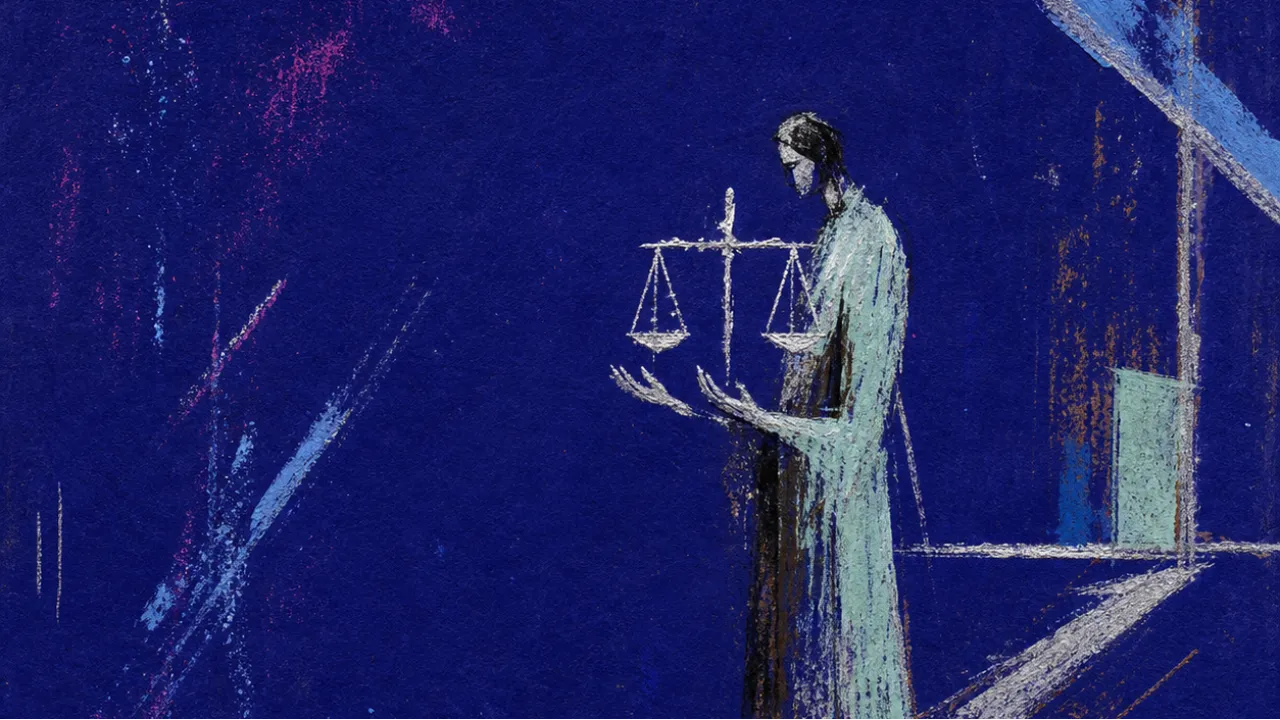
Accountability Evasion Cycle — you bring up the same issue again, maybe in a kitchen after everyone else has gone to bed, in a Notes app paragraph you keep rewriting, or over a text thread that has already stretched across weeks. At first, the other person seems willing to talk: they ask what you mean, say they want to understand, maybe agree that something went wrong. But the conversation keeps sliding sideways before it reaches the part where impact is actually named. A specific moment becomes a debate about wording; a hurtful pattern becomes a request for more examples; an apology arrives with conditions attached; a promise to change turns into another reset that no one can measure. You find yourself carrying the receipts, the timeline, the screenshots, the careful tone, and the burden of making the issue sound reasonable enough to be heard. The power in the room does not always look loud; sometimes it looks like calm deflection, selective memory, a quick joke, a counter-claim, or a sudden exit just when the conversation gets close to responsibility. Days later, the same problem is treated like old news, while your body still remembers the unfinished exchange: the tight chest before you bring it up again, the jaw clench when the subject gets reframed, the tired silence after another serious-looking talk leads nowhere. Over time, the cycle teaches you that acknowledgment can be performed without repair ever beginning, much like Justice reversed, where the raised sword and hanging scales hold the scene in permanent readiness while the threshold in front of the judge remains uncrossed.
Why it's not you?
The problem is not that you are asking for too much clarity; the problem is that this setup keeps replacing accountability with delay, reframing, and unfinished follow-through. When impact is repeatedly met with technicalities, counter-claims, or vague promises, the burden gets pushed onto the person trying to name what happened. That is a pattern in the exchange, not a flaw in your ability to explain it.
Accountability Evasion Cycle in Tarot Cards
In an Accountability Evasion Cycle, the repeated meeting, text thread, or late-night conversation keeps bringing you back to the same uncrossed threshold. The knot in your stomach often forms before the next explanation even starts, because the environmental, structural, and dynamic pattern has already trained the room to delay impact instead of answer it. The cards below do not decide who is right; they mirror the shape of a stalled exchange. These Tarot Cards reflect the repeated outline of accountability that keeps appearing without becoming repair.
Accountability Evasion Cycle in Tarot Card Reading Insights
When an Accountability Evasion Cycle keeps replaying, other people have brought the same suspended conversations, partial apologies, and shifting explanations into readings. The focus moves from the cards themselves to what surfaced when this pattern entered the spread. Tarot Reading Insights from sessions that sit with this kind of unresolved loop.

Waiting for Family Acknowledgment: Choosing Contact Based on Behavior
Topic:Family Tarot Reading
Struggle:Family System Overidentification
Context:Family Script Pressure

The Designated Peacekeeper in a Friend Group: Let Friends Repair
Topic:Friendship Tarot Reading
Struggle:Boundary Collapse
Context:Friend Group Triangulation

Friendship Triangulation: Care Without Becoming the Go-Between
Topic:Friendship Tarot Reading
Struggle:Relational Boundary Drift
Context:Direct Communication Trial

Inside the Accountability Evasion Cycle: Return Before the Gap Grows
Topic:Personal Growth Tarot Reading
Struggle:Social Accountability Tension
Context:Accountability Evasion Cycle

When "I Miss You" Feels Like Repair: Learning to Check the Record
Topic:Love Tarot Reading
Struggle:Relational Pacing Collapse

The Kitchen-Table Courtroom Narrowed to One Impact, One Request
Topic:Family Tarot Reading
Struggle:Agreement-Agency Split
Context:Family Boundary Negotiation

A 'Mutual Mistake' Text, Then Leaving the Repair Where It Belongs
Topic:Love Tarot Reading
Struggle:Consequence Lock
Context:Care Reciprocity Test

Closing the Draft, Opening the Album, Then Weighing Evidence of Repair
Topic:Love Tarot Reading
Struggle:Sunk Cost Paralysis
Context:Sunk Cost Exit Dilemma

A Soft Night, an Unanswered Question, and the Start of Daylight Repair
Topic:Love Tarot Reading
Struggle:Relational Pacing Collapse
Context:Situationship Ambiguity

At 11:47 p.m., a Shared Deck Spiral Turned Into One Clear Ask
Topic:Personal Growth Tarot Reading
Struggle:Unspoken Expectation Load
Context:Unspoken Expectations Gap