Clean Enough To Speak?
Explore this struggle through lived patterns, related tarot cards, and tarot card reading insights from sessions shaped by blame and boundaries.

Perfect Innocence Trap
What does this feel like?
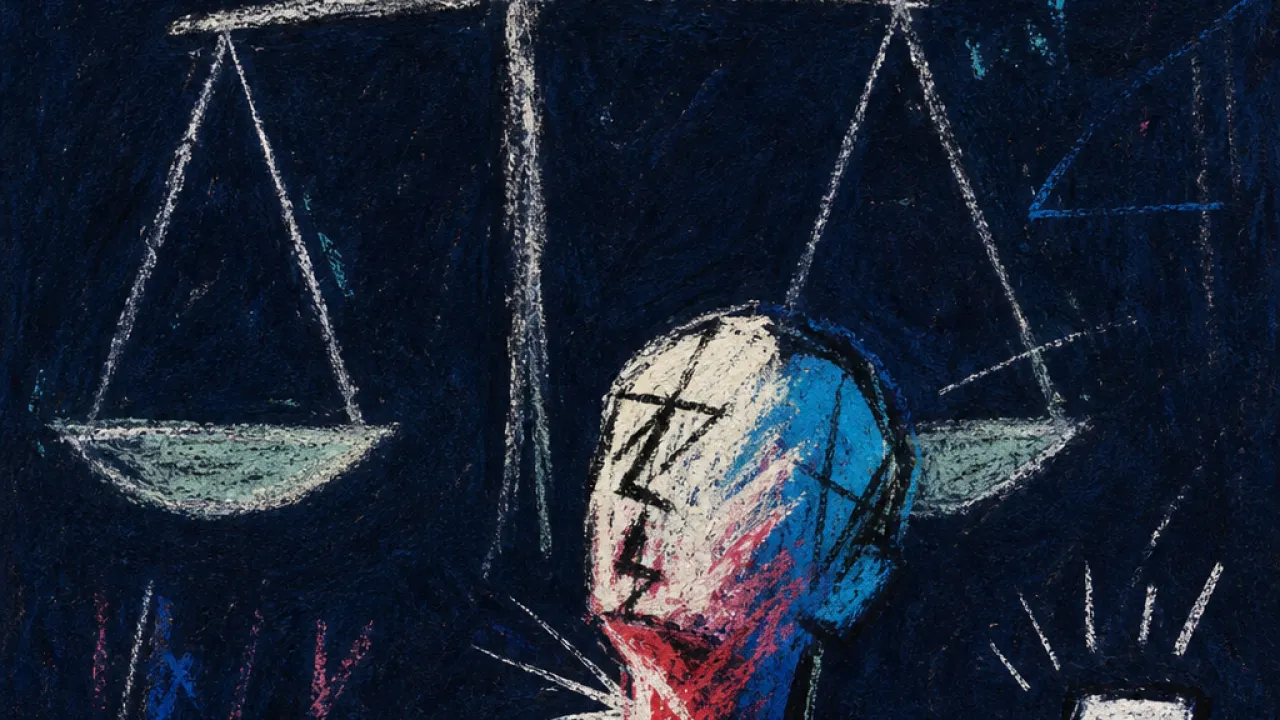
Perfect Innocence Trap — you are about to send a simple message, maybe just "can we talk?" or "that didn't work for me," and suddenly your whole body starts acting like you are about to stand trial. Your thumb pauses over the keyboard, your shoulders tighten, and you read the sentence again and again, not to make it clearer, but to make sure no one could possibly read you as selfish, harsh, needy, manipulative, unfair, too sensitive, too cold, too much. You soften the wording, add an apology, add a reason, add another reason for the reason, then delete half of it because now you sound like you are making excuses. The strange part is that you may have been hurt, but you are still more focused on proving you are harmless than on naming what hurt you. You can spend an entire afternoon preparing for a conversation that should have taken two minutes, building a clean little file in your head: screenshots, timelines, intentions, tone checks, proof that you tried, proof that you cared, proof that if anyone is upset, it cannot be because you failed to be good enough. You want to be honest, but only if honesty arrives without mess. You want to set a boundary, but only if no one can accuse you of being unkind. You want to admit anger, but only if the anger can be presented as reasonable, measured, and almost invisible. So you become careful in a way that slowly shrinks you. Your needs have to pass inspection before they are allowed to exist, and your pain has to arrive wearing clean hands. The cost is that you stop living from the center of yourself and start living from the witness stand, always anticipating the next objection, always polishing your motives until there is barely any breath left in them, much like Justice seated between the pillars, holding the scales and upright sword, as if every human complication must be weighed before you are allowed to speak.
What's pulling at you?
You're caught between wanting to tell the truth about what you need and needing to prove that your need is completely harmless first. One part of you wants space, anger, desire, refusal, and honesty; another part believes you can only have those things if no one could possibly call you unfair. That is why even small conversations can feel like you are defending your entire character instead of saying one simple thing.
How It Shows Up?
- You reread a message before sending it, not because the words are unclear, but because one sentence could make you sound selfish, dramatic, needy, or unfair. Your thumb hovers over the screen, your shoulders lift toward your ears, and your throat tightens around the version of yourself you are trying to make impossible to misread. You edit out the edge, then the hurt, then the ask, until only something polite and nearly empty remains. It is allowed to want clarity without presenting a flawless transcript of your intentions.
- Someone gives you feedback, even gently, and your face stays calm while your whole body starts preparing a defense. Your stomach drops, your jaw locks, and you begin sorting evidence in your head: what you meant, what you did not mean, why it was not as bad as it sounded. You may even agree too fast, just to prove you are reasonable, while something inside you keeps standing in front of Justice's scales with shaking hands. You can take in one piece of information without putting your whole character on trial.
- At work or school, you delay asking for help because you need your confusion to look clean, justified, and impossible to criticize. You keep the tab open, reread the brief, and feel heat rise in your neck as if not knowing yet has already made you look careless. By the time you finally type the question, you have added so much context that the ask almost disappears under your need to be seen as responsible. You are allowed to need support before your need is perfectly packaged.
- In a close conversation, you notice yourself apologizing for the tone of a boundary before you have even set it. Your chest feels tight, your voice gets smaller, and you start adding softeners: "no worries if not," "maybe I'm overthinking," "I totally get it." Part of you wants the space to say no, and another part wants the other person to see that you are still kind, still fair, still safe to love. A boundary can be simple before it becomes a courtroom statement.
- Late at night, you replay a disagreement while lying still in bed, searching for the exact moment you might have been wrong. Your eyes ache, your breathing goes shallow, and every memory feels like a frame being inspected under harsh light. You are not even trying to win anymore; you are trying to find the version where you were completely harmless, completely clean, completely beyond blame. It is okay to let the night hold some unfinished edges without solving your whole self before morning.
Perfect Innocence Trap in Tarot Cards
The Perfect Innocence Trap shows up where every need, boundary, or reaction has to be cleaned up before it feels allowed. You can feel it in the tight throat, locked jaw, and shallow breathing that arrive when one sentence might make you seem unfair. From an existential perspective, the structural framework here is the fear that being complex will cost you the right to be heard. These Tarot Cards reflect the visible outline of that pressure.
Perfect Innocence Trap in Tarot Card Reading Insights
When the Perfect Innocence Trap turns a simple need into a private courtroom, others have brought that same pressure into readings. The shift from cards to readings shows how this struggle can appear when someone asks about boundaries, blame, or whether they are allowed to be complicated. Tarot Reading Insights from sessions with this theme.

Purity Culture Guilt After Dating: A Boundary Without Punishment
Topic:Introspection Tarot Reading
Struggle:Autonomy Guilt Bind
Context:Values Alignment Crossroads

When Wanting More Became a Character Test: Naming the Old Rule
Topic:Introspection Tarot Reading
Struggle:Inner Tribunal Lock
Context:Purity Culture Hangover

Desire Guilt at a Blinking Cursor: Four Lines Toward Self-Trust
Topic:Introspection Tarot Reading
Struggle:Belonging-Authenticity Split
Context:Values Alignment Crossroads

Changing One Spreadsheet Weight, Then Naming the Cost to Own
Topic:Choice Tarot Reading
Struggle:Analysis Paralysis
Context:Values Alignment Crossroads

Mocking a Promotion, Reopening the Post—Choosing a Personal Measure
Topic:Social Tarot Reading
Struggle:Belonging-Authenticity Split
Context:Status Anxiety Circle

When "Providing Context" Was Actually Lobbying: Naming the Stake
Topic:Social Tarot Reading
Struggle:Responsibility-Authority Split
Context:Backchannel Politics

When a Casual Invite Becomes a Belonging Test: The One-Sentence No
Topic:Social Tarot Reading
Struggle:Relational Boundary Drift
Context:Social Performance Loop