Is love becoming a grip?

A clear audit of possessive attachment, the tarot cards that mirror it, and reading insights around reassurance and control.

Possessive Attachment
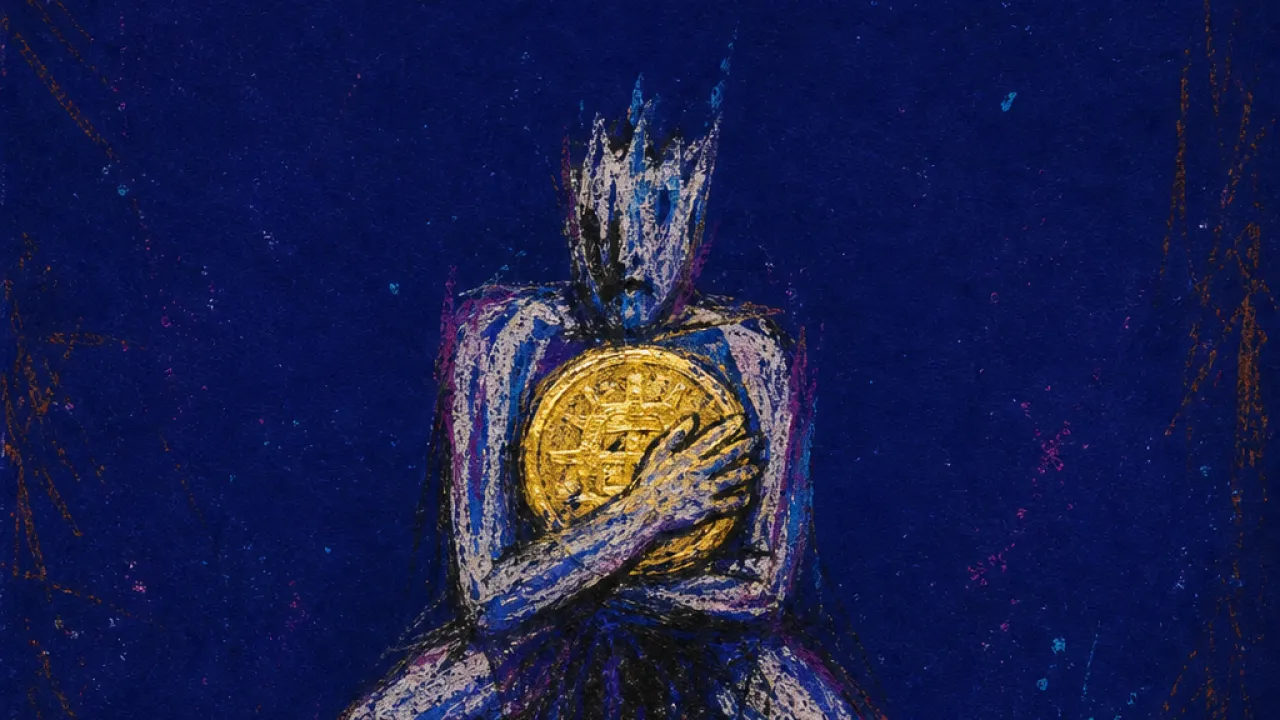
What is this really?

You keep closeness steady by checking for signs, asking for reassurance, tracking shifts in attention, and trying to make the other person’s choices feel predictable. Underneath that grip is a very understandable need to know you are not about to be replaced, forgotten, or left outside the circle that once made you feel safe. Yet the harder you try to keep the bond from moving, the more connection can start to feel like a held object instead of a living exchange, much like the Four of Pentacles figure clutching one coin to the chest while both feet pin the others to the ground.

Why did it happen?

At some earlier point, closeness may have felt safest when you could see it, name it, and keep it within reach, so your body learned to calm down by checking whether people were still choosing you. Now that same inner pattern can turn ordinary distance, privacy, or changed plans into a silent alarm, creating a subconscious loop where reassurance brings relief for a moment and then the need to check returns. Over time, that loop can leave you emotionally worn out, even in relationships that are still present.

How does it feel?

  • You see a reply come in, then notice the typing dots disappear; your thumb hovers over the screen, and you send a second message with a lighter tone than you feel. In that small pause, your chest may tighten and your breathing can get shallow, as if the room is waiting with you. Let that sensation be present for a moment without turning it into a verdict.
  • At a party or in a group chat, you watch someone you love laugh with another person and your smile holds a second too long before your eyes drop to your drink. Under the surface, there may be a hot flicker in your stomach and a quick urge to reclaim their attention. You can notice the flicker without having to obey it immediately.
  • When plans change, you ask one extra question about where they are going, who will be there, and when they will be back, while your voice stays casual and carefully even. Afterward, your jaw might feel locked, and your mind may keep replaying the details like a tab you cannot close. Uncertainty can be allowed to exist before any next move is chosen.
  • You scroll through their social feed, pause on a name you do not recognize, then zoom in or check the comments while telling yourself it is just curiosity. Your shoulders may creep upward, and the phone can start to feel oddly heavy in your hand. This is a signal you can observe, not a sentence you have to pass on yourself.
  • When a friend mentions a new plan that does not include you, you nod quickly, make a small joke, and then go quiet sooner than usual. Later, there may be a hollow drop behind your ribs, followed by the urge to test whether you still matter. It is okay to let the drop register before trying to fill it.

Possessive Attachment in Tarot Cards

That reflex to hold closeness still, especially when a delayed reply makes your chest tighten, is the exact place this pattern becomes visible. From a Jungian perspective, archetypal theory gives that grip a symbolic language without turning it into a character flaw. These cards reflect the unconscious dynamics beneath the need to monitor, secure, or keep someone inside reach. Below are the Tarot Cards that mirror this pattern.

Four of Pentacles Upright
The figure does not merely hold one pentacle; every available contact point is assigned to possession, from crown to hands to feet. The body becomes a lock, and the distant town shows how social life is kept visible but outside the protected perimeter. In a close platonic bond, this maps to safety being measured through exclusivity. You may read a friend's other connections as evidence that your place is less secure, and the pattern keeps trying to convert intimacy into ownership so the bond feels less uncertain.
Reversed
The arms do not simply hold the central pentacle; they pin it to the chest, while the feet trap the lower pentacles against the ground. The posture makes contact look like possession, and possession look like the only available form of safety. Possessive Attachment grows when closeness is regulated through holding, monitoring, or preventing movement. In family dynamics, you may feel safest when people remain in known roles, answer quickly, stay nearby, or keep choosing the family script, even when another person's independence is not actually abandonment.
Nine of Pentacles Reversed
The bird is protected by the glove and restricted by the hood at the same time. That single arrangement holds the card's sharpest relational tension: care and control are not separate gestures, and the one being held cannot fully decide its own range. In family dynamics, this becomes attachment that treats closeness as access rights. You may be told that monitoring, pressure, or involvement proves love, while the deeper pattern is asking whether protection has quietly become a way to keep your movement inside someone else's emotional field.
Ten of Pentacles Reversed
The wall, crest, arch, dogs, and domestic markers all define who belongs inside the protected field. In reversal, that protected field can turn love into territory, where safety depends on knowing exactly who is inside, who is loyal, and who might leave the structure. Possessive Attachment forms when belonging has to be proven before the nervous system can relax. You may scan for signs of exclusivity, loyalty, or public commitment because autonomy feels like distance, and distance feels like the bond is no longer secure.
Queen of Pentacles Reversed
The Queen keeps the pentacle close to the body, surrounded by a lush but intimate garden. In reversal, the protected space can become too enclosing, and the object of value can start to feel safer when it is held than when it is allowed to move freely. Possessive Attachment in friendship confuses closeness with access. You may feel threatened when a close friend builds new bonds, changes availability, joins another group, or no longer orbits the same shared routine. The card shows the emotional logic rather than judging it: the bond has become a source of security, so distance registers as loss of value. The pattern becomes workable when You can see that loyalty is being measured by proximity instead of by the actual quality of the connection.
King of Pentacles Upright
The King sits as though the pentacle, throne, vines, manor, wall, and distant castle all belong to one continuous field of possession. Nothing in the image suggests panic, but everything is arranged around holding, securing, and maintaining what has been claimed as valuable. That visual logic becomes relational when loyalty is treated as territory. A close friend can start to feel less like an autonomous person and more like part of the emotional estate: someone whose attention, availability, and social orbit are expected to remain within familiar boundaries. In friendship, Possessive Attachment shows up when You experience a friend's growth, new closeness, or changing priorities as a threat to the bond's security. The card does not shame the need for loyalty; it reveals the point where loyalty becomes ownership and protection starts to restrict the other person's movement.
Reversed
The King sits inside a domain that visually belongs to him: wall, castle, throne, garden, coin, and sceptre all orbit his seated body. The symbols create a strong center, but they also make connection look like something to be owned. Possessive Attachment grows when security is built through control of access. In friend groups or social circles, you may feel unsettled when people move freely outside your orbit, as if their independence reduces your place. The reversed King shows the cost of converting belonging into territory: protection becomes surveillance, and closeness loses room to breathe.
Ace of Wands Reversed
The same strong hand that can receive the wand can also close around it as if the living branch were a territory to defend. The distant castle on the hill intensifies the image of position, status, and a claimed vantage point rather than simple warmth. In friendship, Possessive Attachment forms when closeness becomes something You monitor, guard, or rank. The pattern converts affection into a question of access and priority, so another friend's presence can feel like a threat to the place You believe You are holding.
Queen of Wands Reversed
The Queen's feet frame the black cat at the base of the throne, and the high seat makes the space around her feel claimed. When this visual authority tightens, closeness begins to look like territory rather than connection. That is where possessive attachment enters the friendship field. You may experience a friend's new closeness with someone else as a direct threat, not because the friendship has disappeared, but because the inner map treats attention as property. The cat matters because the reaction often begins below the polished surface. The pattern is less about love and more about a guarded instinct that tries to secure the bond by narrowing who is allowed near it.
King of Wands Reversed
The cloak spreads down the throne and into the ground plane, while the king sits alone in a desert field with his wand marking the land below him. The image can shift from stable presence into territorial extension, as if emotional safety depends on having the whole field under watch. Possessive Attachment forms when closeness is unconsciously measured through access, priority, and control of attention. In love, You may interpret a partner's separate life as a threat to the bond rather than as evidence that the bond has room for two lives. The throne's isolation matters here. The more the relationship is treated like territory, the less it can function as mutual space, and jealousy becomes a boundary alarm that has lost its calibration.

Possessive Attachment in Tarot Card Reading Insights

For anyone who has tried to turn closeness into proof before the bond could breathe, others have brought this same pattern into readings. Here is what it looked like when people sat with the cards around reassurance, distance, and control. Below are Tarot Reading Insights that speak to this pattern.

Psychological patterns related to Possessive Attachment