Why Are You Planning Everything?
See how one-sided planning unfolds, which tarot cards reflect it, and what related reading insights have surfaced for others.

Planning Labor Imbalance
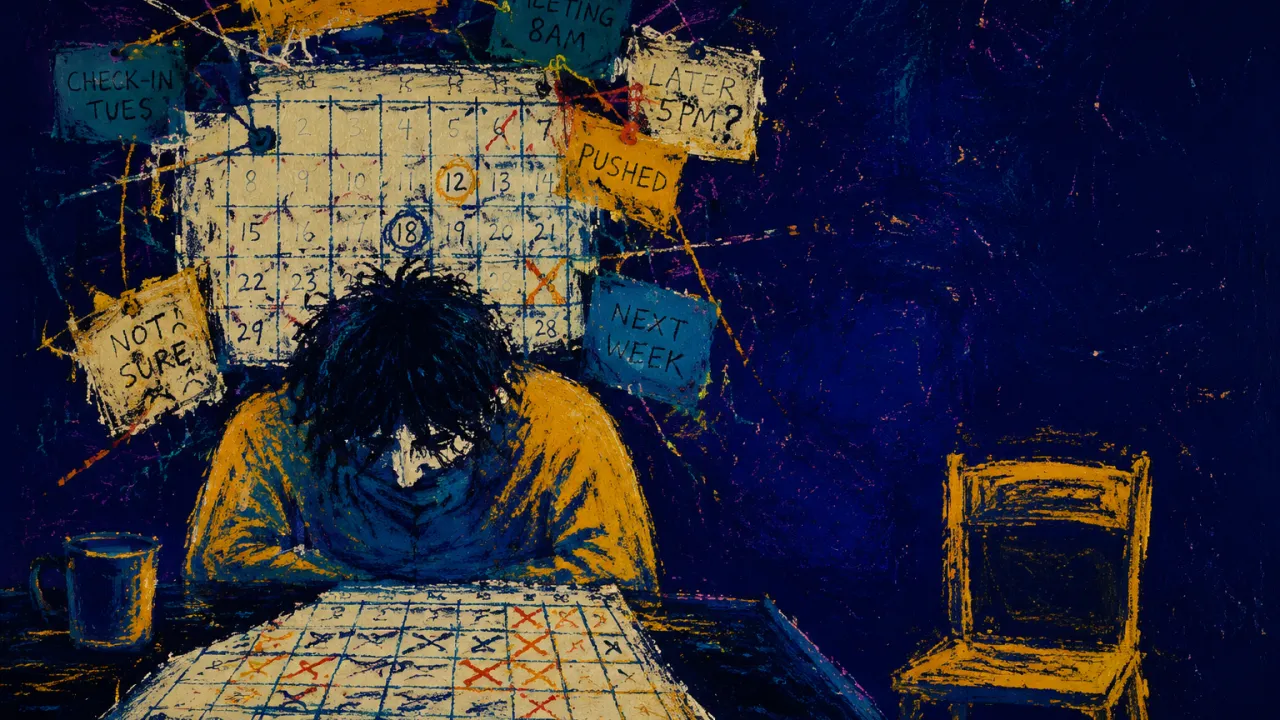
What is this situation?
Planning Labor Imbalance is what happens when a shared life or relationship runs on plans that only happen because you make them. You first notice it before a date, trip, dinner, appointment, or group gathering: you suggest the time, compare options, check availability, book the table, send the address, and remember what needs to happen next. The other person says they are happy with anything, but that leaves every decision sitting with you. When you ask them to take over, they may offer one incomplete suggestion, wait for instructions, or return the task with questions you still have to answer. They can enjoy the finished plan, ask what is happening this weekend, or comment on details without seeing the messages, tabs, calendar changes, and follow-ups that produced it. Your shoulders tighten as those small tasks multiply, especially when a missed booking or forgotten deadline will still be treated as yours to fix. Even downtime becomes another project you must coordinate, and stopping means watching shared plans stall. You remain the person keeping dates, details, and expectations moving at once, much like the figure in the Two of Pentacles, juggling both coins while rough water rolls behind him.
Why it's not you?
This imbalance is created when one person repeatedly leaves the decisions, logistics, reminders, and consequences to the other. A plan is not shared work when someone participates only after the coordination has already been done.
Planning Labor Imbalance in Tarot Cards
Planning Labor Imbalance shows up when every date, booking, reminder, and follow-up defaults to you. Your shoulders tighten as calendar tabs and message threads multiply. This is an environmental and structural dynamic: coordination is described as shared while the work is assigned to one person in practice. The Tarot Cards below reflect the visible contours of that one-sided load.
Planning Labor Imbalance in Tarot Card Reading Insights
When dates, trips, and everyday plans keep depending on one person's coordination, others have brought the same planning imbalance into their readings. The Tarot Reading Insights below show what surfaced in those sessions.

Taking Over Group Plans, Then Resenting the Work; Name One Task
Topic:Friendship Tarot Reading
Struggle:Unspoken Expectation Load
Context:Unspoken Expectations Gap

Waiting Ten Minutes Before "I Can Drive": From Guilt to Choice
Topic:Lifestyle Tarot Reading
Struggle:Systemic Depletion
Context:Unspoken Expectations Gap

When "Faster" Is Actually Rescue: Letting the Deadline Stand
Topic:Love Tarot Reading
Struggle:Unspoken Expectation Load
Context:Unspoken Expectations Gap

Rewiping the Counter: From Panic-Cleaning Toward Shared Ownership
Topic:Love Tarot Reading
Struggle:Unseen Cost Bind
Context:Invisible Domestic Labor

From Three Reminder Texts to None: The Saturday Laundry Reality Check
Topic:Love Tarot Reading
Struggle:Unspoken Expectation Load
Context:Invisible Domestic Labor

An Unsent Note, Three Advice Tabs, and One Request Spoken Aloud
Topic:Love Tarot Reading
Struggle:Caretaker Role Lock
Context:Direct Communication Trial

Leaving the Mug Until Morning: How an 8:30 Boundary Protected Rest
Topic:Lifestyle Tarot Reading
Struggle:Unseen Cost Bind
Context:Invisible Domestic Labor

Invisible-Labor Burnout: From Cold Tea to an Ownership Experiment
Topic:Love Tarot Reading
Struggle:Unseen Cost Bind
Context:Unspoken Expectations Gap

After "Let's Revisit It," One Shared Practice Replaced Future Plans
Topic:Love Tarot Reading
Struggle:Relational Pacing Collapse
Context:Readiness Mismatch Cycle

Parenting a Partner, Then Leaving One Shared Task to Its Owner
Topic:Love Tarot Reading
Struggle:Caretaker Role Lock
Context:Unspoken Expectations Gap