When Work Gets Too Familiar

A clear look at creeping workplace closeness, relevant tarot cards, and reading insights on blurred professional boundaries.

Work Spouse Boundary Creep
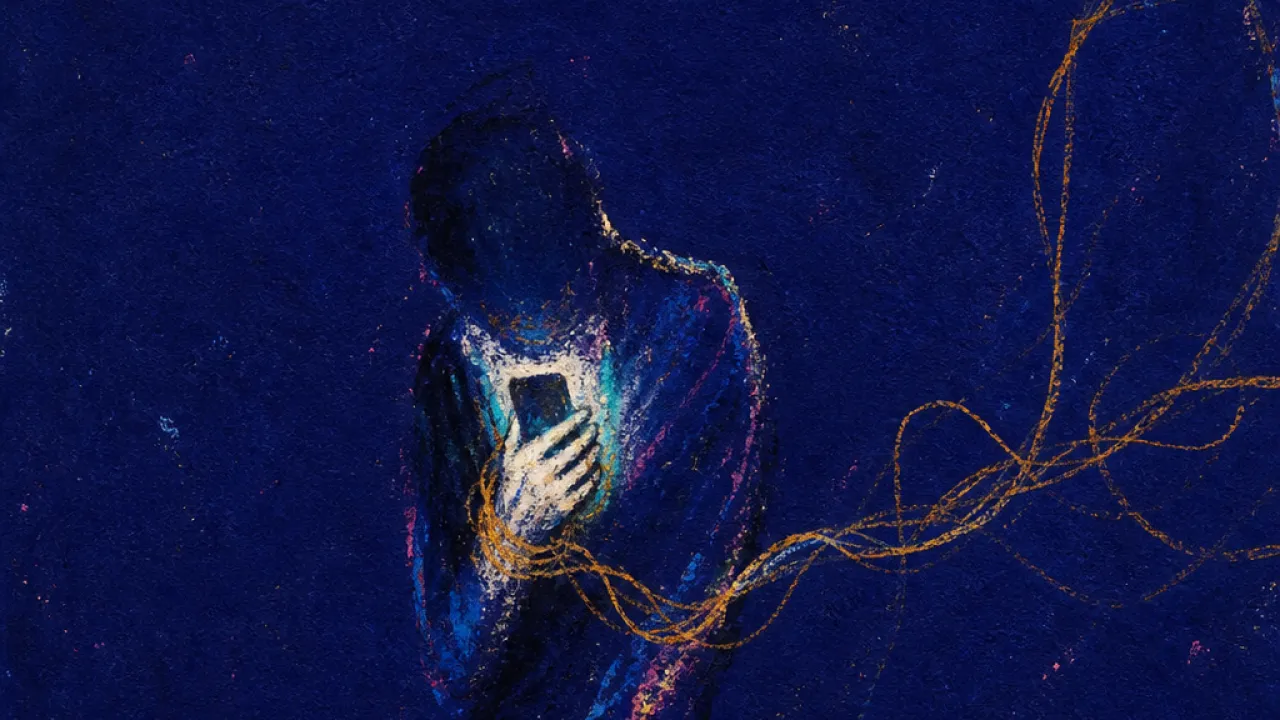
A solitary figure beside a glowing phone, shoulders pulled by message threads wrapping into a loose tether across dark space

What is this situation?

Work Spouse Boundary Creep — it starts as an easy rhythm at work: the coworker who saves you a seat, sends the best memes in Slack, checks in before meetings, and makes the day feel less stiff. At first, the closeness seems practical, even useful; you know each other's calendars, you decode office politics together, you vent after a messy call, and everyone starts joking that you two are basically a package deal. Then the rhythm begins to take up more space than you expected. They message after hours like your attention is still available, ask why you did not reply, assume lunch plans without asking, loop you into their mood before you've had your coffee, and treat small distance as a change that needs explaining. Other coworkers read the bond as harmless office banter, so when you try to create space, the room quietly pushes you back into the role: their person, their default, their emotional shortcut through the workday. You may still like them, respect them, or depend on them professionally, which makes the creep harder to name, because nothing has to look dramatic for it to keep crossing lines. Over time, your job starts carrying an extra private shift inside it: managing tone, availability, jokes, favors, side chats, and the unspoken pressure not to make things awkward, much like the two figures on The Devil, standing close with loose chains at their necks, not trapped by force but still tethered to the same block.

Why it's not you?

This is not about you being cold, dramatic, or unable to handle closeness at work. A workplace bond becomes a problem when access, availability, and emotional attention are treated as automatic instead of chosen. The creep belongs to the dynamic itself: repeated small assumptions that make your boundaries harder to hold without social fallout.

Work Spouse Boundary Creep in Tarot Cards

Work Spouse Boundary Creep often looks casual from the outside, but the constant pings, default lunch plans, and after-hours check-ins can make your shoulders tighten before you even open the message. This is an environmental and structural dynamic, shaped by workplace access, social expectation, and the way one colleague can become the assumed center of your attention. The Tarot Cards below do not label the relationship as good or bad; they reflect the blurred edges, loose tethers, and repeated pulls underneath it. Here are the Tarot Cards that tend to mirror this kind of boundary creep.

Temperance
Reversed
The angel's two cups and divided footing between water and land depict an interface between distinct systems. Reversed, the interface stops regulating the exchange: professional coordination, friendship, emotional caretaking, and after-hours access flow through the same coworker channel without a stable definition of what belongs to the job. The inverted path toward the crown reflects a career route made harder to see when one relationship controls too much information, support, and social positioning. You may still value the collaboration, but the blocked separation between roles makes independent networking, focused work, and ordinary unavailability feel unusually consequential.
The Devil
Upright
The paired figures wear loose chains beneath an authority that benefits from their continued attachment, presenting a belief system in which connection is measured through ongoing access. In a work-spouse dynamic, the underlying equation can become loyalty equals fast replies, kindness equals emotional availability, and professional trust equals preserving the pair at all costs. The collars' looseness makes that equation available for revision without denying the bond's practical or emotional value. You can separate a capacity-based form of reliability from the inherited office script that treats boundaries as withdrawal and constant access as the only credible proof of care.
Two of Cups
Reversed
The two people exchanging cups establish a direct friendship-like channel that appears mutual and self-contained. Reversed, that channel no longer carries equal choice: one person's need for check-ins, replies, lunches, or emotional processing begins to determine how closeness must be performed by both people. The cups remain present, so the image does not erase the companionship that made the bond valuable. You can see the precise reciprocity gap between enjoying a work friendship and being expected to keep its intensity constant regardless of workload, private plans, or changing capacity.
Two of Swords
Upright
The blindfolded figure holds two crossed swords in front of her while the rocky sea remains behind her, turning emotional stakes into a suspended decision. The posture mirrors the effort to keep professional ease and personal space in perfect tension without naming that assumed lunches, delayed-reply questions, or after-hours venting have already changed the terms. Both swords are still held in her hands, and the horizon remains visible to the viewer even when it is unavailable to the figure. You can treat the stalemate as evidence that relevant information has been kept outside the conversation, especially the concrete cost of maintaining closeness and the feared workplace cost of reducing it.
Eight of Swords
Upright
The blindfolded figure stands among swords that narrow her field of movement while loose bindings keep her attention focused on constraint. Internally, the work-spouse dynamic can produce the same narrowed field: every short reply, declined lunch, or quiet morning is mentally evaluated for how the coworker and the wider office might interpret it. The gap between the swords shows that the internal forecast is not identical to the external environment, even when the social risk is credible. You can distinguish confirmed reactions from rehearsed ones and identify how much psychological capacity is being consumed by managing a boundary breach before it happens.
Seven of Wands
Upright
The worker-like figure defends his position against six incoming wands while balancing on uneven ground. The scene reflects the career friction that follows when you stop providing automatic access: the coworker may question the shift, and colleagues may interpret ordinary independence as interpersonal conflict that threatens team harmony. The high ground gives the figure leverage, but the mismatched shoes acknowledge that boundary defense can be improvised and uncomfortable. You can separate the professional quality of your work from the office's preference for a convenient package deal, even when holding that distinction requires repeated clarification.
Ten of Wands
Upright
The ten wands carried in one overloaded bundle obscure the worker's view while he continues toward the workplace-like town ahead. The image captures how formal responsibilities and informal relational maintenance can become one undifferentiated workload: meetings sit beside mood checks, deliverables beside favors, and collaboration beside the obligation to remain personally responsive. The worker is still moving and the destination remains finite, revealing that the overload can be audited by its separate components. You can name the emotional and social tasks that were added without role definition, recognition, or explicit agreement instead of treating the entire burden as an unavoidable feature of being a good colleague.

Work Spouse Boundary Creep in Tarot Card Reading Insights

When Work Spouse Boundary Creep starts turning your workday into a private channel you did not fully agree to maintain, other people bring that same tension into readings. The focus shifts from the cards themselves to what appears when this workplace bond becomes hard to name clearly. Tarot Reading Insights from sessions exploring this kind of blurred professional closeness.
Psychological Contexts Related to Work Spouse Boundary Creep