Finding Clarity in the 8:12 a.m. Scroll
If you’ve ever noticed your follower count drop at midnight and felt your stomach fall like you just got dumped in public, welcome to the social-media rejection spiral.
Jordan came to me in Toronto with that exact look people get when their nervous system has been living inside an app. She’s 28, a junior marketing coordinator, the kind of person who can write a perfectly balanced campaign brief—and still feel wrecked by one tiny online shift that no one else seems to notice.
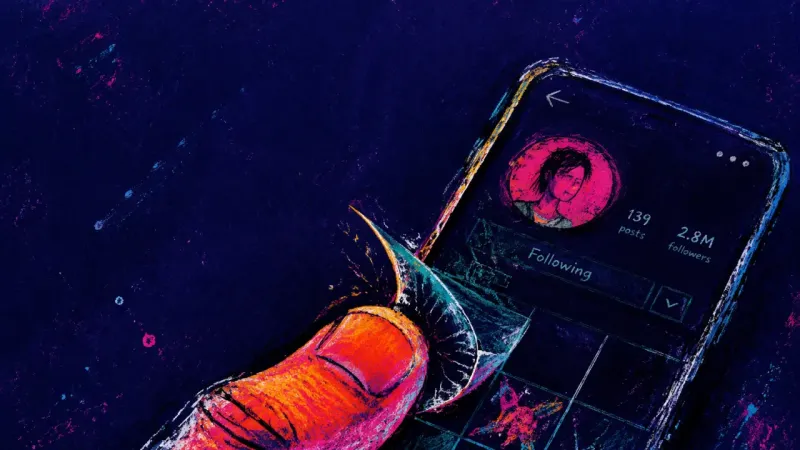
She described an 8:12 a.m. Wednesday on TTC Line 1 heading south: packed winter coats, that stale mix of coffee and damp wool, fluorescent lights that make everything feel a little too exposed. “I opened Instagram just to see,” she said, voice flat like she’d already replayed it fifty times. “The follow button was gone. My throat tightened. I closed the app… and reopened it before the next stop. Because not knowing felt worse than the hurt.”
It’s “just an unfollow”… and then her body does the whole thing: tight chest like a seatbelt locking, restless fingers, a slightly nauseous drop in the stomach the moment the profile loads. Rejection doesn’t arrive as a thought. It arrives as a physical alarm.
“I know it’s just an unfollow,” she told me, staring at the edge of my table like it might give her the answer. “But my body doesn’t treat it like ‘just’ anything.”
And there it was—our engine for the whole reading: wanting reassurance and closeness vs fearing that asking for clarity will prove you’re not wanted. She wanted to reach out, but the idea of a direct message felt like handing someone the mic to reject her out loud.
I leaned in, gentle but steady. “We’re not going to argue with your body today,” I said. “We’re going to map what’s getting triggered—so you can choose one clean next step, instead of living in endless interpretation. Let’s do a Journey to Clarity.”
Choosing the Compass: The Four-Layer Insight Ladder Spread
I’m Luca Moreau—Paris-trained perfumer, and an intuitive consultant who trusts what the body knows before the mind can explain it. In my world, clarity isn’t a thunderbolt. It’s often a shift in input: what you take in, what you stop taking in, and what you choose to put out.
I asked Jordan to take one slow breath, not to be mystical, but to give her nervous system a handrail. While I shuffled, I kept it practical: “Focus on the exact question: Friend unfollowed me—what past rejection pattern is getting triggered? Not what you wish was true. Not the worst-case version. Just the real question.”
“Today,” I said, “we’ll use a spread I designed for moments like this: the Four-Layer Insight Ladder · Context Edition.”
And for you reading this—because people always wonder how tarot works in a real situation—the reason I chose it is simple. This isn’t a ‘predict the outcome’ problem. It’s a pattern problem. Jordan’s unfollow is the trigger, but the real story lives underneath it: the older belonging wound, the fear-story that rushes in when information is missing, and the modern behavior (checking, scanning mutuals, drafting/unsending DMs) that keeps the loop alive. This spread is the fewest cards that still give us the whole map: symptom → root imprint → blind spot → maintenance behavior → healing resource → integration step.
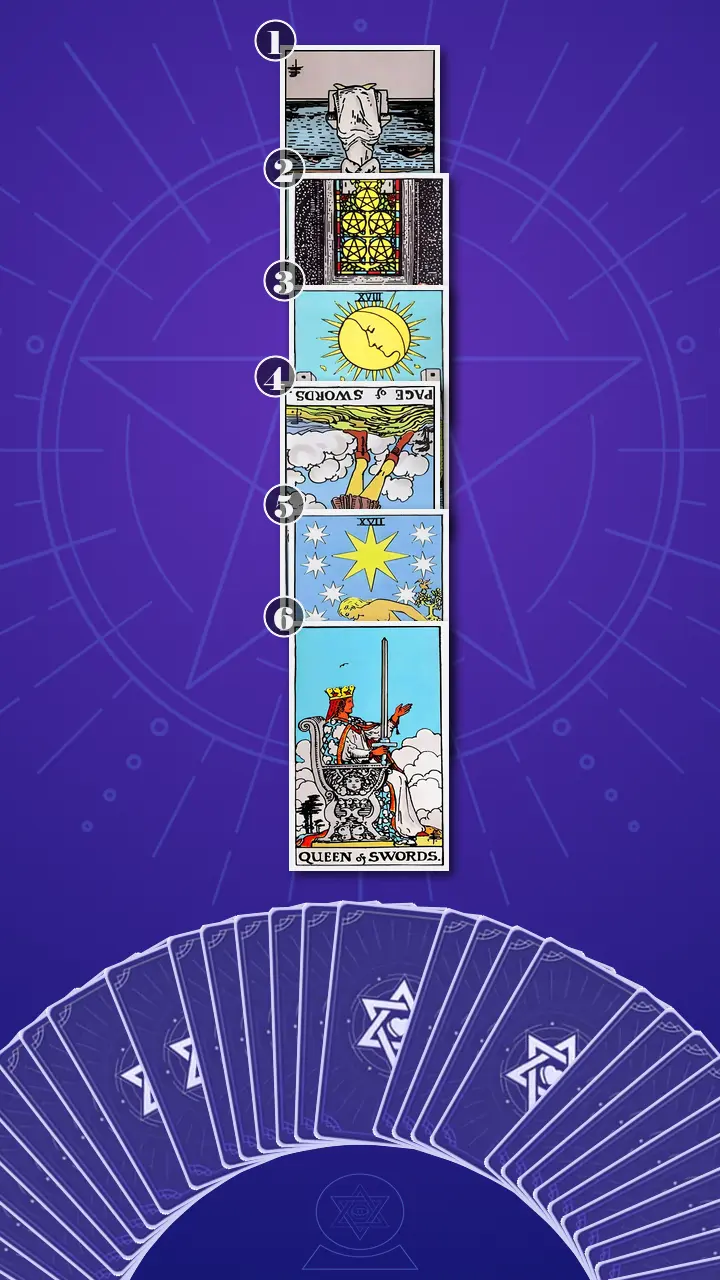
I pointed to the layout—six cards like a small staircase down into an old basement story and back up again. “Card one shows your immediate reaction loop. Card two goes to the older imprint underneath it. Card three names the blind spot—what fear fills in when facts are thin. Card four shows the behavior keeping it alive. Card five is the medicine. And card six is the clean next step—the boundary or message that turns insight into real life.”
Reading the Map: From Blindfold to Moonlight to Open Sky
Position 1 — Presenting symptom: the immediate reaction loop
I turned over the first card. “Now the card we’re opening is representing the presenting symptom: the immediate, observable reaction loop after the unfollow.”
Two of Swords, reversed.
The image is all defense: a blindfold, crossed swords across the chest, water held back behind her. I looked at Jordan and used the translation that fits her life exactly: Right after you notice the unfollow, you go mentally offline. You open their profile, then your own, then mutual followers—trying to decide what it ‘means’ without asking. You draft a DM that tries to be perfectly non-needy, then you freeze because any option feels like it could trigger rejection.
Reversed, this is Air energy in blockage: thinking meant to protect you, but instead it multiplies options until none of them feel safe. It’s decision fatigue with a blindfold on—your mind crossing swords in front of your heart so you don’t have to feel the hit.
Jordan let out a small laugh that didn’t reach her eyes. It had that bitter edge of recognition. “That’s… so accurate it’s kind of rude,” she said, then swallowed like her throat was trying to close the conversation.
“That laugh is important,” I told her. “It’s your system noticing the pattern without blaming you. We’re not going to shame you out of it. We’re going to give you a way out of the stalemate.”
Position 2 — Root imprint: the older belonging wound
I touched the second card. “Now the card we’re opening is representing the root imprint: the older rejection/belonging wound this unfollow is activating.”
Five of Pentacles, upright.
I didn’t need to over-explain; the card explains itself in the body. I used the modern-life scenario straight into her ribs: The unfollow doesn’t land as a simple platform choice—it lands like social exile. Your body reacts like you’ve been quietly removed from the group chat, and your mind starts scrambling for how to ‘earn your way back in’ without having to ask if you still belong.
This is Earth energy in deficiency: scarcity, not enoughness, the fear that warmth exists but it’s for everyone else. The figures in the snow are close enough to see the stained-glass window—and still feel locked out.
I offered her the scene the card was already building: “It’s like standing outside a lit condo lobby in February. You can see the warmth through the glass. You can see people moving inside. But something in you believes, ‘I’m not allowed to enter unless I prove I’m invited.’”
Her reaction came in three quiet steps: first, she went still—breath caught mid-inhale. Then her gaze unfocused, like she was watching a memory replay behind her eyes. Finally, she exhaled through her nose and nodded once, small and tight. “Yeah,” she said. “It’s that exact feeling. Like… I’m outside.”
“That’s the older layer,” I said softly. “The app is just the doorway it came through.”
Position 3 — Blind spot: the fear-story filling the gap
I turned over the third card. “Now the card we’re opening is representing the blind spot: the fear-based story that rushes in when information is missing.”
The Moon, upright.
I felt the air in the room shift the way it does when someone realizes their brain has been writing a horror script from three blurry screenshots. I used the translation that matched her 1:00 a.m. habits: With no clear explanation, your brain turns the timeline into a shadowy thriller: every like, view, or new follower becomes a ‘sign.’ You can feel your thoughts speeding up while your stomach drops, and you keep scrolling because you think one more detail will finally make the uncertainty stop.
The Moon isn’t “you’re crazy.” It’s Water-shadow: projection under low information. Moonlight shows shapes, not facts. And when you’re already scared, every shadow looks like proof.
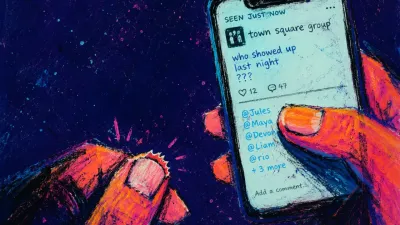
“This,” I said, “is why it escalates at night. Phone-glow at 12:43 a.m., toggling between profile → mutual followers → old DMs. Inner voice: If I find one more clue, I’ll feel safe. And under it: If I ask one simple question, I might hear an answer I can’t control.”
Jordan’s fingers flexed around her water glass. “It’s like I’m building a case,” she admitted. “But the case is against me.”
“Ambiguity is not a verdict,” I said—slowly, so it could land. “The Moon makes forecasts feel like facts. Our job is to separate the two.”
Position 4 — Maintenance mechanism: the behavior that keeps it alive
I turned the fourth card. “Now the card we’re opening is representing the maintenance mechanism: the specific behavior that keeps the pattern alive—especially online monitoring.”
Page of Swords, reversed.
I could practically see her thumb hovering over the search bar as I spoke the scenario: You start consuming micro-signals like they’re context: screenshots, mutuals, Story views, who they’re commenting on. You tell yourself you’re ‘just being observant,’ but it’s really a low-grade investigation that keeps your nervous system on high alert and makes you more suspicious than connected.
Reversed, the Page’s Air becomes excess—jittery vigilance without wisdom. “Data intake without context,” I said. “It’s like refreshing campaign metrics when you’re anxious. It feels responsible. But it actually makes your brain louder.”
Jordan gave me that half-laugh, the one that says okay, you caught me. “I literally screenshot stuff,” she said. “And then I’m embarrassed that I screenshot stuff.”
“Clues aren’t closeness,” I told her, letting it be a clean sentence. “The Page thinks more input will create safety. But it only creates more interpretations.”
Position 5 — Key healing resource: the medicine that restores self-trust
I paused before turning the fifth card. “This is the turning point,” I said. “The card that shows what actually heals the pattern—not by controlling them, but by steadying you.”
The Star, upright.
I let the room get quieter. Even the street sound from outside—one streetcar bell, distant—felt like it softened.
I spoke the modern translation in her language: Instead of chasing certainty inside the app, you step back and stabilize: you name what you need (respect, honesty, consistency), do one regulating action, and remember you can be hurt without becoming unworthy. From that steadier place, you’re able to choose clarity without begging for it.
As a perfumer, I think in layers: top notes that spike fast, heart notes that tell the real story, base notes that hold you when everything else evaporates. As a consultant, I use something I call Social Pattern Analysis—diagnosing hidden interaction barriers. And in Jordan’s pattern, the barrier wasn’t “she cares too much.” It was that she’d built an internal rule: Don’t ask directly. Earn safety by decoding. That rule keeps her outside the lobby, pressing her face to the glass.
The Star is the moment you stop negotiating your worth with the interface. You regulate first. You stop making closeness something you have to win through vigilance.
Jordan’s shoulders were still high, like she was braced for the friend’s verdict. That’s the setup right there—the TTC moment where you reopen Instagram “just once,” stomach dropping, scanning mutuals like it’s a crime scene—because asking directly feels like handing someone the mic to reject you out loud.
Stop chasing meaning in moonlit shadows; pour steadiness back into yourself like The Star, and let your next move come from calm clarity rather than panic.
I let the sentence sit between us for a beat, like perfume settling after the first spray.
Her reaction unfolded in a layered sequence: first, her face tightened—brows drawing together, a flash of resistance like, But I need to know. Then her eyes glassed slightly, not tears yet, but that shine you get when something hits the exact sore spot. Her hands, which had been gripping the glass, loosened. She swallowed once. Her shoulders dropped two centimeters like a backpack strap finally sliding off. And then she exhaled—long, shaky, from deep in her chest.
“But if I stop checking,” she said, voice small, “it feels like I’m… letting it happen.”
“That makes so much sense,” I answered. “Because checking has been your way of staying close without risking a direct ask. The Star isn’t ‘don’t care.’ The Star is: care, but don’t abandon yourself. Your worth doesn’t need their interface to be confirmed.”
I leaned forward. “Now—use this new lens for a second. In the last week, was there a moment where you felt the urge to check, and this idea could have changed how you moved?”
Jordan stared at the tabletop, then nodded. “Yesterday. At my desk. Slack pings, calendar reminders, and I was tab-switching to Instagram like a reflex.” She gave a breathy laugh. “I could’ve put my phone down. I could’ve… done literally anything else first.”
“Exactly,” I said. “This is the pivot from spiral and shame-fueled mind-reading to calmer self-trust. Not perfect. Just steadier.”
Position 6 — Integration step: one clear ask, one clean boundary
I turned the sixth card. “Now the card we’re opening is representing the integration step: the most self-respecting next action and boundary.”
Queen of Swords, upright.
I pointed to the Queen’s raised sword and open hand. Truth, plus a door. And I used the modern-life scenario without softening it: You send one calm message that’s brief and specific—no hinting, no testing, no five-paragraph emotional cover letter. Then you put the phone face-down and let the outcome be information, not a referendum on your value. If they don’t respond, you choose a boundary that protects your self-respect.
This is Air energy in balance. The same element that was jammed in the Two of Swords returns as clean discernment: not surveillance, not guessing—communication.
Jordan’s eyes narrowed slightly, not angry—focused. “I can do ‘brief,’” she said. “I just… hate that I care.”
“Caring isn’t the problem,” I said. “The Queen just refuses to self-betray in order to seem chill.”
The Star → Queen Reset: Actionable Advice for the Next 48 Hours
I took a breath and stitched the whole spread into one coherent story, the way I’d blend a formula: top note, heart, base.
“Here’s what I see,” I told her. “The unfollow hits (Two of Swords reversed) and your mind goes into gridlock—checking, freezing, drafting, deleting. Underneath, it’s not actually about Instagram. It’s the Five of Pentacles imprint: the old ‘outside-looking-in’ belief that warmth belongs to others, and you have to perform your way back inside. Then The Moon floods the gap with fear-stories because you don’t have facts. The Page of Swords reversed keeps you in constant data intake—mutuals, Story views, screenshots—so your nervous system never gets to settle. The Star is the medicine: regulate yourself first, restore self-trust. And the Queen of Swords is the embodiment: one clear ask, one clean boundary, no self-betrayal.”
Her cognitive blind spot was painfully modern: believing that more information from the app would create safety, when it was only creating more ambiguity and less real connection. The transformation direction was just as clear: move from mind-reading and proof-hunting to one clear, bounded request for information paired with a commitment to your own self-respect.
Jordan blinked. “But I literally don’t have five extra minutes,” she said, surprising herself with the honesty. “Work is nonstop, and then I’m commuting, and then I’m tired, and that’s when I spiral.”
I nodded. “Perfect. Then we make it smaller, not bigger. The Star doesn’t ask for a personality change. It asks for a reset you can actually do on the TTC, in a bathroom stall, or between Slack pings.”
- Facts vs Stories Note (2 minutes)Open Notes and write one line of facts only: “They unfollowed me on Instagram on [day]. We haven’t spoken since [date].” Then add one line: “What I want is clarity, not clues.”If your brain starts arguing, stop. Add three neutral alternative explanations that don’t attack your worth (neutral is enough—no forced positivity).
- Input/Output Reset Week (start with 24 hours)Turn off social notifications for 24 hours (or mute just Instagram/TikTok). Make one rule: no profile checking until after one grounding action—10-minute walk, shower, or the Facts vs Stories note.If you catch yourself screenshotting “evidence,” label it gently: “Page of Swords mode.” Put it in a hidden folder and come back in an hour if you still want it.
- 10-minute “Star → Queen” Timer (phone face-down)Put your phone face-down and set a 10-minute timer. Write two columns: “Facts I know” vs “Stories my brain is writing.” Then draft a two-sentence clarity text and save it—no pressure to send today.If you get activated mid-way, return to step one only. Regulation first—then communicate.
- One Clean Ask (Queen of Swords script)Draft and optionally send: “Hey—quick check-in. I noticed we’re no longer connected on IG and I’m not sure if it was intentional. Are we okay?” Then decide one self-care action for right after (tea, walk, call a friend, shower).No extra paragraphs. No evidence. No explaining your whole nervous system. One clear ask. One clean boundary. No self-betrayal.
Because I’m me—and because sensory cues can anchor a new pattern faster than willpower—I added one optional tool from my perfumer’s toolkit, not as magic, but as psychology. “If it helps,” I said, “choose a grounding scent for the moment you send the message. Something woody—cedar, vetiver, sandalwood. Not to ‘attract’ anything. To signal to your body: I’m safe in myself. Keep it close, low sillage. First impression calibration, but for your own nervous system.”
Jordan smirked. “So… I’m sending a text with emotional support fragrance.”
“Yes,” I said, matching her wry tone. “And then putting the phone face-down like closing a laptop after you hit send. The action is complete.”
A Week Later: Ownership, Not Certainty
A week later, Jordan messaged me. Not an essay—just one line, which felt like a Queen of Swords victory all by itself: “I sent the clean ask. Put my phone face-down. Walked to get a coffee. I was shaky, but I didn’t die.”
She didn’t tell me the friend’s full response. That part was still unfolding. What she told me instead was the real proof of change: “I checked their profile once that day—at my set time. And then I stopped. I could feel the urge, but it wasn’t driving.”
That’s the quiet shift The Star promises: not instant certainty, but a steadier self who can hold uncertainty without collapsing into a verdict about her worth. Clarity, in real life, often looks like one calm action and a nervous system that finally gets to unclench.
When one tiny online signal flips your body into emergency mode, it’s not because you’re ‘too sensitive’—it’s because a part of you still believes closeness is something you can lose without warning if you ask for what you need.
If you didn’t have to decode anything tonight, what would one calm, self-respecting next step look like—one sentence you could say (to them or to yourself) that doesn’t argue for your worth?
This story is adapted from psychological research, written so that those in a similar struggle can see their own pattern in it — and find their next step clearly.These insights are not a substitute for professional psychological, medical, legal, or financial advice.
Learn more about our Journey to Clarity.
How did this insight land for you?
🫂 This Resonates Deeply
🌀 Living This Story
✨ Now I See Clearly
🌱 Seeing New Possibilities
🧰 Useful Framework
🔮 The Confirmation I Needed
💪 Feeling Empowered
🚀 Ready for My Next Step
Author Profile
 AI
AI“As a perfumer for fifteen years, I’ve learned to perceive human boundaries through the delicate metaphor of scent. Relationships need the right amount of space to breathe, and I've seen too many kind souls exhaust themselves trying to please everyone. I’m here with warmth and understanding—not to teach you to be guarded, but to help you gently clear the air and rediscover the comforting, safe boundaries that are rightfully yours.”
In this Friendship Tarot Reading :
Core Expertise
- Boundary Permeability Diagnosis: Identifying friends whose lack of limits is metaphorically 'bleeding into your space' and causing emotional suffocation.
- Vibe Contamination Auditing: Recognizing when a highly sensitive or negative friend is unconsciously polluting your personal psychological atmosphere.
Service Features
- The Space Calibration Ritual: A behavioral directive to implement specific 'digital and physical blank spaces', preventing enmeshment and restoring breathable boundaries.
Also specializes in :
Explore Related Patterns:
Anxious AttachmentJordan wants closeness and reassurance, but the thought of sending a direct message feels like giving the other person a chance to reject her out loud. That push-pull is central to the story: needing contact while fearing that contact will confirm the exact abandonment fear she is trying to avoid. Anxious Attachment fits because ambiguity activates a strong need for relational confirmation. You scan for signs, rehearse the message, try to seem non-needy, and look for proof that the bond is still intact, all while feeling exposed by the fact that you care. The pattern is not that you are too sensitive. It is that uncertainty in connection gets experienced as unstable belonging. Naming the attachment activation helps separate the present event from the older fear that closeness can disappear without warning if you ask for what you need.
Certainty SeekingJordan's attention narrows around the missing explanation for the unfollow, and the app becomes the place she keeps looking for relief. Every like, view, mutual, and new follower starts to feel like it might contain the missing answer. Certainty Seeking is the pattern because the goal is no longer just understanding what happened; it becomes trying to eliminate ambiguity before it can hurt. You keep searching for the one detail that will finally settle the body, but the digital environment keeps offering signals without context. That is why the loop feels so sticky. The mind believes more information will create safety, while the actual effect is more ambiguity, more interpretation, and less trust in your ability to tolerate not knowing.
Compulsive CheckingJordan keeps moving through the same digital circuit: their profile, her profile, mutual followers, Story views, screenshots, and old DMs. Each check seems practical in the moment, but the loop keeps her nervous system attached to the threat instead of helping her reach clarity. Compulsive Checking fits because the behavior functions like a regulation ritual. You are not simply being curious; you are trying to lower uncertainty by collecting micro-signals. The problem is that the app keeps producing more fragments, so the brain gets more material to interpret and less actual safety. The deeper mechanism is that checking lets you stay near the relationship without taking the emotional risk of a direct ask. It feels like control, but it quietly extends the rejection spiral by replacing contact with surveillance.
Mind ReadingJordan does not have a clear explanation for the unfollow, so her mind starts building meaning from platform traces: likes, views, followers, mutuals, screenshots, and old messages. The story names it directly when she says it feels like she is building a case, but the case is against herself. Mind Reading fits because ambiguous behavior gets translated into assumed motive. You start treating silence and interface changes as if they reveal what the other person thinks, feels, or intends, even though the actual data is incomplete. The protective function is understandable: guessing feels safer than asking when a direct answer could hurt. But the cost is that imagined rejection begins to feel as real as confirmed rejection, and your next move gets shaped by a verdict that has not actually been spoken.
Rejection SensitivityJordan's first reaction to the unfollow is not a neutral thought but a full-body alarm: her throat tightens, her stomach drops, and she reopens Instagram before the next subway stop because not knowing feels worse than the hurt. That sequence shows rejection being processed as an immediate threat signal before there are enough facts to interpret what actually happened. The pattern here is Rejection Sensitivity because the ambiguous online cue quickly becomes organized around one feared meaning: being unwanted. Your mind starts treating missing information as social evidence, while your body reacts as if the rejection has already been confirmed. This does not mean the hurt is fake or irrational. It means the nervous system is using an old rejection template to read a modern digital signal. Once you can name that template, the unfollow becomes information to sort through, not an automatic verdict on your worth.
Assertive CommunicationJordan's integration step is concrete: one calm message, no hinting, no testing, no long emotional cover letter, followed by putting the phone face-down. The point is not to control the friend's response; it is to stop making ambiguity carry the entire emotional weight of the relationship. Assertive Communication fits because the repair move replaces decoding with a bounded request for information. You state what you noticed, ask the clean question, and let the outcome become data rather than a referendum on your worth. In this story, assertiveness is not aggression or detachment. It is the ability to care without self-betrayal: asking directly, staying brief, and protecting your self-respect regardless of whether the other person responds perfectly.
Emotional RegulationJordan's shift starts before the message is sent: she breathes, writes facts versus stories, turns the phone face-down, and creates a set time for checking instead of letting the urge drive. These small actions matter because the unfollow first hits her body, not just her thoughts. Emotional Regulation fits because the story shows a move from app-driven alarm to internal steadiness. You give the nervous system a handrail before making a relational decision, which prevents the next action from being dictated by panic, shame, or urgency. The key insight is that regulation does not mean pretending not to care. It means caring while staying anchored enough to choose your next move, rather than letting the scroll decide for you.
Explore Related Struggles:
Clarity-Exposure SplitJordan wants to reach out, and the story names that want clearly: reassurance, closeness, a real answer. Then the direct message becomes dangerous in her body because it would make the possible rejection audible. She can draft the message, polish it until it sounds non-needy, and still freeze at the point where another person gets to answer. Clarity-Exposure Split is the bind where the path toward relief is also the path toward being seen needing relief. You are not avoiding clarity because you do not care. You are stuck because asking cleanly would remove the protective fog of interpretation and place your need in the open, where the friendship can either meet it or fail to meet it.
Monitoring-Safety FusionJordan reopens Instagram before the next stop, later toggles between profiles, mutual followers, old DMs, Story views, and screenshots, then admits that checking has become a way to stay close without asking directly. The behavior looks like gathering context, but it keeps returning her to the same unresolved question. Monitoring-Safety Fusion captures the moment when surveillance starts to feel like steadiness. You keep searching because each signal promises control, yet the search cannot give you the human answer you are looking for. The more the app becomes the place where safety is negotiated, the farther real connection gets pushed out of reach.
Social Collapse ImprintThe follow button disappears at 8:12 a.m., and Jordan's body reacts before the story has facts: throat tight, chest locked, stomach dropping, profile reopened before the next TTC stop. The unfollow lands like being removed from the group chat or standing outside the lit condo lobby while other people have warmth inside. You can feel the old map taking over, where a small social signal becomes proof of being outside. Social Collapse Imprint fits because the rejection pattern is not just sensitivity to Instagram. The body is treating belonging as something that can vanish without warning, then asking the mind to prove a way back in. That leaves you trying to manage a present friendship through an older scene of exclusion, where ambiguity turns into exile before the other person has even spoken.
Earned Love BindThe unfollow does not land as a neutral boundary shift. It sends Jordan into the old rule that she must earn her way back inside without asking whether she still belongs. The image of the lit condo lobby makes that rule physical: warmth is visible, but entry feels conditional on proving she was invited. Earned Love Bind is the pattern where connection stops feeling mutually available and starts feeling like something you have to qualify for. You become careful, strategic, overly composed, and hungry for clues because direct need feels too risky. The deeper wound is not that you want closeness; it is that you have learned to treat closeness as a test you must pass before you are allowed to ask for it.
Projection-Connection SplitAt 12:43 a.m., the feed turns into a case file: profile, mutual followers, old DMs, likes, views, and new followers arranged like evidence. Jordan even names the distortion herself when she says she is building a case, but the case is against her. The missing explanation creates a vacuum, and the mind rushes to fill it with a story sharp enough to feel like proof. Projection-Connection Split fits because interpretation is replacing contact. You are trying to get closer to the truth, but the route runs through imagined motives instead of shared reality. When forecasts start feeling like facts, the friendship becomes less of a relationship and more of a screen where old rejection expectations can project themselves.
Certainty-Safety FusionJordan says the cleanest line in the whole case on the TTC: not knowing felt worse than the hurt. That is why the profile reload, the mutuals scan, and the late-night timeline search all become so compelling. Each fragment seems like it might finally stop the free fall. Certainty-Safety Fusion forms when your system treats an answer as the only route back to calm. The problem is that social media rarely gives facts clean enough to hold that job. You end up asking unstable signals to do the work of a grounded relationship, so every new detail briefly promises relief and then opens another door for doubt.
Explore Related Emotions:
Ambiguity DreadJordan has one fact: the friend unfollowed her. Around that fact, the story fills with low-information spaces: profile views, mutual followers, old DMs, late-night scrolling, and the thought that one more clue might finally make the uncertainty stop. Ambiguity Dread fits because the blank space begins to feel louder than the event itself. You are not just hurt by what you know; you are trapped in what you cannot verify, where every shadow starts pretending to be evidence. The past rejection pattern becomes especially visible in that gap. When there is no clear explanation, the mind starts writing a fear-story, and the body treats the lack of certainty as if it were already a verdict.
Cautious Self-TrustJordan does not become instantly certain. She names what she needs, regulates before communicating, drafts a brief message, puts the phone face-down, and lets the outcome be information instead of a measure of her value. Cautious Self-Trust fits because the steadiness is small, deliberate, and still a little shaky. You are not pretending not to care; you are choosing not to abandon yourself while you care. This is the repair direction inside the story. The past rejection pattern loses some control when your next move comes from a grounded ask and a clean boundary rather than from scanning, decoding, or performing indifference.
Conditional Belonging FearJordan describes the unfollow as something that makes her want to earn her way back in without asking whether she still belongs. The story frames it as standing outside warmth, believing entry depends on proving she was invited. Conditional Belonging Fear captures that specific inner rule: closeness feels available, but only if you perform correctly, stay low-maintenance, decode the signals, and avoid needing too much. You are not simply missing reassurance; you are trying to qualify for it without exposing the need. This is the past rejection pattern the reading keeps circling. The app becomes the doorway, but the deeper trigger is the belief that belonging can be silently revoked and must be negotiated through vigilance rather than direct connection.
Grounded AgencyA week later, Jordan sends the clean ask, puts her phone face-down, walks to get coffee, and checks the profile once at her set time instead of letting the urge drive. The friend’s full response is not the center of the update; her changed relationship to the urge is. Grounded Agency names the felt return of choice. You still feel activated, but the activation no longer gets to run the whole system, and the phone no longer becomes the only place where safety can be negotiated. The emotional shift is quiet but important: certainty is not fully available, yet self-command is. That gives the story its clearest movement from rejection-triggered scanning toward one calm, self-respecting next step.
Hypervigilant AnxietyJordan closes Instagram and reopens it before the next stop. Later, the same loop widens into mutual followers, Story views, screenshots, old DMs, and the search for micro-signals that might explain what the unfollow means. Hypervigilant Anxiety names the state where attention becomes a surveillance tool. You keep scanning because the next piece of information seems like it might create safety, but each new detail only gives the mind more material to interpret. The story makes clear that the checking is not casual curiosity. It is a braced, high-alert attempt to stay close without risking a direct ask, and that keeps the old rejection alarm active long after the original trigger has passed.
Message DreadJordan wants to reach out, but a direct message feels like handing someone the mic to reject her out loud. She drafts something perfectly non-needy, then freezes because every possible wording seems capable of making the rejection more real. Message Dread belongs here because the message is not just communication; it becomes exposure. You are trying to ask for clarity while also trying to protect yourself from the moment clarity might hurt. The emotional bind is sharp: silence keeps you trapped in interpretation, while asking feels like inviting a verdict. Seeing that bind clearly is what turns the next step from a performance of chill into a self-respecting request for information.
Rejection ChillJordan opens Instagram on the TTC, sees the follow button gone, closes the app, and reopens it before the next stop. Her throat tightens, her chest locks, and her stomach drops before she has any confirmed explanation for what happened. That sequence shows Rejection Chill because the body reacts as if a social door has shut in real time. You are not watching a casual platform update land neutrally; you are watching a small digital signal move straight into the nervous system as a sudden loss of welcome. The emotional logic is precise: the unfollow becomes the trigger, but the inner experience is the cold physical snap of being unwanted before any conversation has occurred. Naming it gives you a cleaner distinction between the event itself and the old alarm it wakes up.
Social Exclusion DreadThe unfollow does not land for Jordan as a simple change in an app connection. It lands like being quietly removed from the group chat, standing outside a lit condo lobby in February, able to see warmth through the glass but unsure whether she is allowed to enter. Social Exclusion Dread names the older layer that gets activated here. You are not only reacting to one friend's online behavior; you are feeling the possibility of being outside the circle while everyone else remains inside, close enough to witness belonging but not sure you can claim it. That is why the story keeps returning to glass, doors, group chats, mutuals, and profile checks. The emotional wound is not the follower count itself; it is the felt threat that connection can vanish silently and leave you trying to prove you still have a place.
Verdict DreadThe Queen of Swords guidance is specific: send one clear ask, put the phone face-down, and let the outcome be information, not a referendum on your value. That instruction only matters because Jordan's system is already treating the answer as more than information. Verdict Dread names the inner courtroom that forms around the unfollow. You are not only waiting for a response; you are bracing for the response to define whether you are wanted, too much, disposable, or safe to be close to. The story's emotional weight sits in that conversion of data into judgment. A friend unfollowing becomes a possible sentence about your worth, and the work is to separate relational information from self-erasure.
Explore Related Contexts:
Access as Proof PressureThe missing follow button carries more social weight than it should because it becomes the only visible marker of where Jordan stands with the friend. Access as Proof Pressure names that exact digital bind: connection status starts functioning like evidence of whether you are still wanted, even before anyone has said what changed. You are placed in a social field where interface access looks like belonging and revoked access looks like exclusion. The app does not just display the friendship; it starts acting like the measuring tool for the friendship, which is why the unfollow feels bigger than a platform choice. The useful distinction is between proof and contact. Access can show that a channel is open or closed, but it cannot explain intention, repair ambiguity, or define your value inside the relationship. Seeing that pressure clearly gives you a cleaner choice: stop asking the interface to certify your place, and move the question into language or boundaries.
Digital Snooping SpiralJordan opens Instagram, closes it, reopens it before the next subway stop, then moves through profiles, mutual followers, old DMs, Story views, and screenshots as if the app might eventually hand over the missing context. Digital Snooping Spiral is the clearest external stage for that loop: the platform keeps offering more searchable surfaces while withholding the one thing that would actually clarify the friendship. You are being pulled into a data environment that rewards checking but does not produce closeness. Each profile view looks like progress for a few seconds, then creates another possible interpretation, another shadow to inspect, another reason to delay the direct ask. This context matters because the problem is not simply that you care about the unfollow. The structure of the app converts care into surveillance labor, making you work for clarity through screenshots and micro-signals instead of through a bounded conversation.
Soft ExclusionThe friend’s unfollow shows up as a missing Instagram connection before any conversation happens: the follow button is gone, there is no explanation, and Jordan is left on the TTC trying to read social status from an interface. Soft Exclusion fits because the rejection is not delivered through a direct confrontation; it arrives as a quiet change in access that makes belonging suddenly harder to verify. You are not dealing with a neutral app event here. The platform turns a friendship question into a unilateral social signal, and because the other person’s action is visible but unexplained, your next move gets trapped between asking directly and staying in interpretation mode. The pressure point is agency. Soft Exclusion names the moment when a relationship boundary is changed around you without shared language, and the work becomes separating what actually happened from the larger rejection story the gap invites.