Always Bright, Never Honest?

A clear definition of forced optimism, the tarot cards that mirror it, and reading insights where this pattern appears.

Toxic Positivity
What is this really?

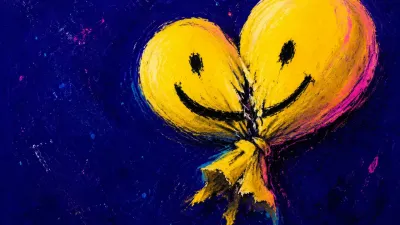
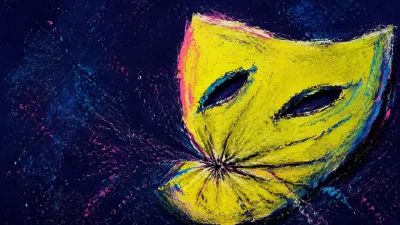
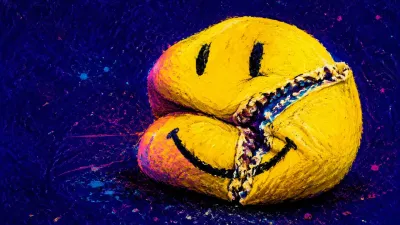
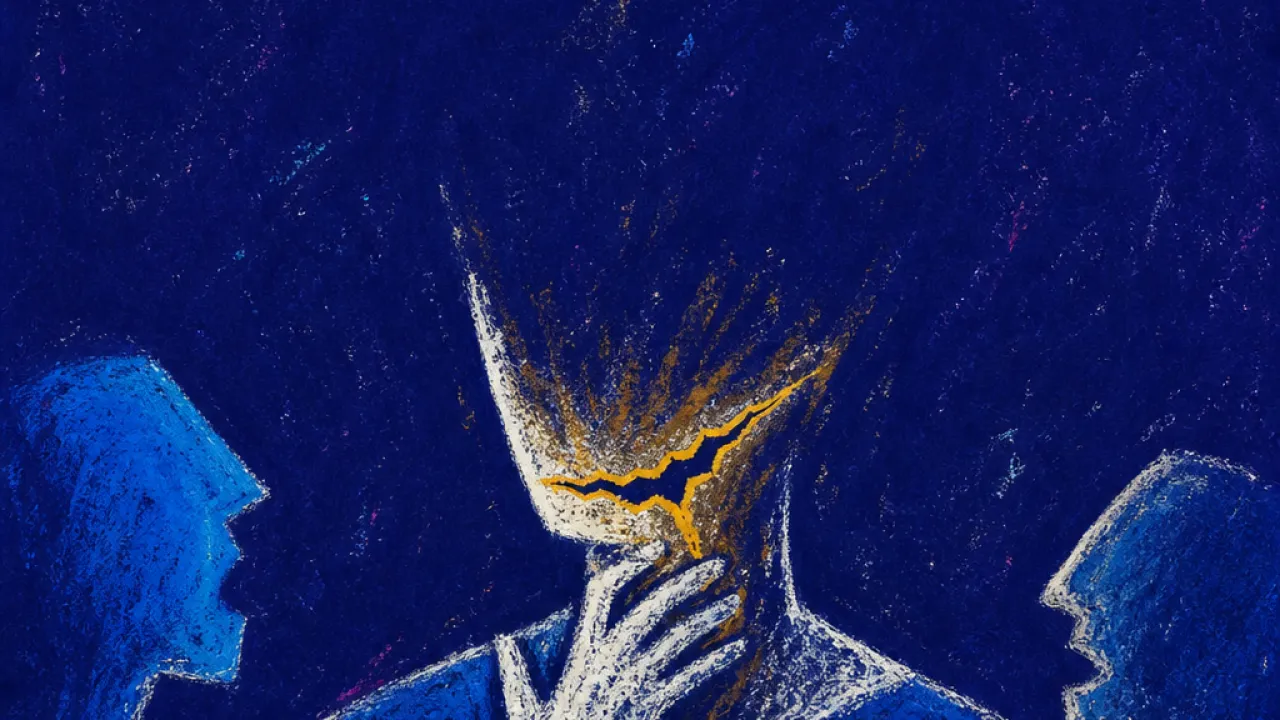
You keep reaching for the bright angle before the uncomfortable feeling has had a chance to finish its sentence: laughing off tension, saying you're grateful, calling it a lesson, or smoothing the room with a smile when your body is asking for a pause. Underneath that reflex is a very understandable wish to stay safe, liked, resilient, and easy to be around, especially if conflict has taught you that discomfort can cost connection. But the feeling you edit out does not disappear; it comes back as tightness, resentment, blankness, or a private sense that your own inner weather has been banned from the room, much like the Sun reversed, where relentless brightness leaves no sanctioned place for shade.

Why did it happen?

At some point, keeping things light may have helped you avoid tension, stay included, or move through rooms where harder feelings were not welcome. Over time, that automatic brightening can become an inner pattern: the body feels strain, but the mind rushes to translate it into gratitude, perspective, or a lesson before you can register what is actually there. The result is a quiet kind of exhaustion, where staying positive takes more out of you than naming the difficult thing would have.

How does it feel?

  • In a group chat, someone makes a comment that lands wrong, and you type “haha all good” with a smiley before your thumb has even left the screen; a few seconds later, your chest may feel oddly hollow and your breathing a little shallow. You can let that pause exist without turning it into a performance.
  • At work or school, you get feedback that stings, and your mouth lifts into a quick smile while you say, “No worries, this is helpful,” even as your shoulders rise toward your ears; afterward, your jaw may stay tight while the words replay in the background. It is okay for the first feeling to be unfinished.
  • When a friend asks how you are, you tilt your voice upward and say, “Busy, but grateful,” while skipping over the part where you slept badly and felt close to tears; your throat may close for a second, as if the rest of the sentence got stuck behind the bright version. That hidden sentence can stay unnamed for now and still be allowed to exist.
  • Alone at night, you open a notes app to write what is bothering you, then delete the blunt sentence and replace it with something about growth, perspective, or staying blessed; your stomach may sink a little when the edited line looks cleaner than it feels. You do not have to make the page look polished before it can hold you.
  • During a tense family or housemate moment, you clear your throat, widen your eyes slightly, and offer a light joke to move everyone along before the silence gets heavy; later, your hands may feel restless, like they are still carrying the conversation you helped avoid. Not everything has to be solved before it is noticed.

Toxic Positivity in Tarot Cards

That reflex to turn discomfort into gratitude before the feeling has finished speaking is the center of this pattern. You may know it in the quick laugh, the lifted tone, or the shallow breath that follows when your body wanted a pause instead. Jungian archetypal theory can understand this as the bright self-image pressing rejected emotional material out of view. The Tarot Cards below mirror the unconscious dynamics of forced brightness, emotional bypassing, and the smile that starts to feel like pressure.

The Sun Reversed
The Sun fills the card so completely that almost no shadow has a place to gather. The child is bright, open, and celebratory, while the red flag keeps the emotional tone lifted and visible. Toxic Positivity emerges when this brightness stops illuminating reality and starts editing it. The same solar field that can reveal truth can also become a defensive overexposure, where difficult information is washed out because the system insists on staying radiant. In personal growth, this pattern often hides inside mindset language. You may call it optimism, gratitude, or high energy, but the card asks whether brightness is helping You see more clearly or keeping You from naming the belief, grief, fear, or friction that actually needs to be metabolized.
Ace of Cups Reversed
The white dove, clean water, blue droplets, and water lilies make the emotional field look pure, soft, and uplifted. The card gives the feeling-world a beautiful surface, but the pool beneath still receives the full force of the overflow. In reversal, that purity can become Toxic Positivity. You may pressure every difficult emotion to become gratitude, forgiveness, love, or higher meaning before it has been understood in its original form. The lilies matter because they do not erase the water they grow from. In inner work, this pattern blocks real cleanup when anger, envy, resentment, or grief are treated as failures of spiritual hygiene instead of signals from the deeper pool.
Three of Cups Upright
The cups are lifted into a bright shared image, and every visible face is arranged around happiness, gratitude, and completion. The fruit, wreaths, and flowing robes make the scene emotionally abundant, but the frame leaves no visible place for disappointment, anger, or unresolved tension to sit. That is where Toxic Positivity enters the card's family reading. The defense is not joy itself; it is the use of joy as a social filter that decides which emotions are allowed into the circle. A family can keep the celebration looking intact while making honest discomfort feel like an attack on everyone. You may recognize this pattern when gratitude language arrives too quickly, before the real issue has been named. The card exposes how a pleasant family mood can become a cognitive bypass: the room stays warm, but the truth has to stand outside.
Reversed
The faces are bright, the cups are high, and the robes flow through a scene where celebration dominates the frame. There is almost no visual room for the fatigue, tension, or ambiguity that may have existed before the harvest arrived. Toxic Positivity forms when celebration stops being an emotional release and becomes an emotional filter. In personal growth, the psyche may use inspiration, gratitude, or breakthrough language to keep doubt and fear out of view, even when those signals contain important data. You may recognize the pattern when every hard transition has to be framed as amazing before it has been processed. The card's joyful surface becomes psychologically useful only when it can hold complexity; otherwise, the raised cups become a way to bypass the harder truth at ground level.
Nine of Cups Upright
The yellow background is bright, the cups are full, and the scene presents itself as complete. Yet the emotional symbols sit behind the seated figure, not in shared hands, and the crossed arms keep the body's truth more closed than the display suggests. The surface reads as satisfaction before it reads as contact. Toxic Positivity forms when visible harmony becomes more important than emotional accuracy. In a family context, the polished row of cups can resemble the story that everything is fine because there is comfort, stability, tradition, or shared history. The cost is that pain has to disappear from the room so the image of fulfillment can stay intact. You are being shown a system that may confuse emotional abundance with emotional permission. The pattern does not deny that good things exist in the family; it reveals how those good things can be used to block honest naming of pressure, guilt, comparison, or boundary strain.
Ten of Cups Upright
The ten cups hover in a perfect rainbow above a family already performing harmony through raised arms, linked bodies, and dancing children. The whole scene is emotionally saturated, but the visual field leaves almost no place for anger, doubt, boredom, resentment, or grief to appear without disturbing the composition. That is the psychological bridge to Toxic Positivity: pleasant affect becomes a stabilizing defense, not just a genuine feeling. In introspective work, you may notice the mind reaching for gratitude or peace language before the raw data of the feeling has been inspected, using a beautiful frame to keep discomfort from becoming visible.
Reversed
The raised arms, dancing children, and rainbowed cups create a scene where every visible body participates in joy. There is no visual pocket for irritation, grief, confusion, or unfinished tension; the entire field is organized around acceptable brightness. In its distorted form, that same harmony becomes the mechanism of Toxic Positivity. The emotional system keeps performing uplift because rupture would threaten the picture, so discomfort gets edited out instead of metabolized. You may call it growth when you stay grateful, calm, and optimistic, but the card asks whether those states are chosen or enforced. When positivity becomes a defense, it does not free the self; it polices the emotional range that real development needs.
Knight of Cups Reversed
The knight's scene is almost too smooth: clear sky, controlled horse, polished cup, and no visible disruption in the emotional field. In reversal, that smoothness can stop being regulation and become performance. The cup still looks beautiful, but it begins to filter out whatever would make the family picture less acceptable. Toxic Positivity appears when harmony becomes a defense against truth. In family dynamics, You may rush to call things love, growth, forgiveness, or gratitude before the actual pattern has been named. The emotional polish keeps the system looking peaceful while anger, grief, or boundary recognition gets quietly edited out. The Knight of Cups links this pattern to the danger of beautiful containment. The problem is not hope; the problem is using hope to bypass evidence. When the cup has to stay pure at all costs, the family field loses the friction needed for honest change.
Queen of Cups Reversed
The Queen's serenity is visually convincing: calm water, clear sky, graceful posture, and a carefully held chalice all create a surface where nothing appears disrupted. In the reversed texture, that same polish can become a rigid performance of peace, where disturbance has nowhere legitimate to appear. Toxic Positivity forms when the psyche keeps smoothing the water instead of reading what the water is trying to show. In lifestyle terms, You may keep calling the system balanced, intentional, grateful, or healing while the body is quietly reporting overload through fatigue, avoidance, resentment, scattered attention, or loss of rhythm. The card's covered cup is crucial because the contents are not visible. A beautiful routine can conceal whether it is nourishing You or simply helping You look regulated. This pattern names the moment when calm becomes a defense against the audit that your daily structure actually needs.
Four of Wands Reversed
The raised garlands, bright robes, open sky, and communal celebration create a field where harmony is visually dominant. When reversed, that same brightness can become over-organized, leaving no visible place for grief, anger, doubt, or fatigue to stand inside the scene. Toxic Positivity works through that over-bright field. It does not simply feel happy; it filters reality until only acceptable emotions are allowed to appear, while the shadow material is pushed out of the frame to preserve the image of inner peace. In introspection, the Four of Wands reversed asks whether your optimism is creating clarity or suppressing data. You may be using gratitude, spiritual language, or calm aesthetics to keep the structure beautiful while the excluded feeling keeps knocking from outside the celebration.
Queen of Wands Reversed
The sunflower is held forward like a deliberate signal of warmth, and the wand stands as an extension of directed will. Around the Queen, repeated solar imagery keeps attention fixed on brightness, vitality, and charisma, while the black cat carries the darker counterweight near the ground. That visual tunnel supports Toxic Positivity when the card is read through its reversed psychological texture. The psyche keeps presenting the sunflower before it has made space for the cat, translating discomfort into optimism so quickly that the original emotion never gets processed. For introspection, this pattern appears when You pressure yourself to stay radiant, grateful, empowered, or above it while a more complicated feeling is still asking to be named. The card exposes the cost of forced brightness: it can become a cognitive filter that preserves the image of vitality while quietly increasing inner backlog.

Toxic Positivity in Tarot Card Reading Insights

For anyone who laughs things off before the discomfort has landed, others have brought this same bright filter into readings. The focus shifts from the cards themselves to what surfaced when this pattern met a spread. Below are Tarot Reading Insights that speak to this pattern.

Psychological patterns related to Toxic Positivity