When the Mirror Becomes a Verdict

A clear look at mirror-checking loops, the tarot cards that reflect them, and reading insights where this pattern appears.

Body Shame Spiral
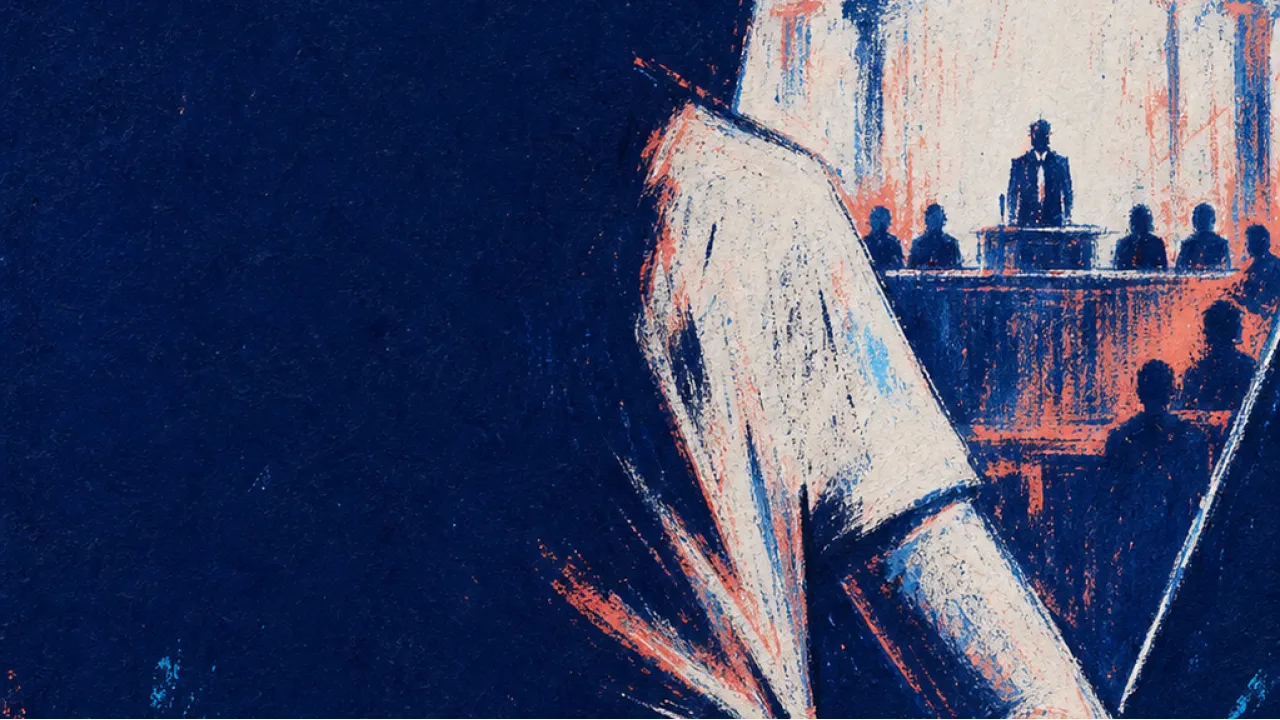
A half-turned figure pinches shirt fabric at the waist before a mirror, with pale white compression lines against indigo.

What is this really?

You scan your reflection, retake photos, tug at clothes, or replay how you looked after a normal social moment. Underneath, you are trying to feel safe enough to be seen before anyone can judge the part of you that already feels exposed. Yet every check pulls you farther from the body you actually live in, until your reflection feels like a courtroom and your own eyes become the tight ring of blades around the blindfolded figure in the Eight of Swords.

Why did it happen?

At some point, watching your body closely may have helped you avoid comments, fit into a room, or feel less caught off guard by being looked at. Now the same inner pattern can start running before you choose it: a mirror, a camera, or a tight waistband becomes a cue, and your mind loops through scanning, fixing, comparing, and feeling emotionally drained.

How does it feel?

  • You stand half-turned in front of the mirror, pinch the fabric at your waist, and swap one shirt for another while your bag is already by the door. In that pause, your stomach may drop and your breath may sit high in your chest. Let the decision stay unfinished for a moment; uncertainty can exist without needing a verdict.
  • When a friend raises a camera, you angle your shoulders, lift your chin, and reach for the phone to check the preview before anyone else swipes. Afterward, heat may rise in your cheeks and a tight pull may gather behind your eyes. Noticing the reflex is enough for now; it does not have to become an instruction.
  • On a video call, you drag the self-view tile to the corner, smooth your hair with two fingers, and keep glancing at the small rectangle while someone is speaking. Your neck may stiffen, and the conversation can feel slightly farther away. You can allow the body on screen to remain unsolved while you keep listening.
  • Alone at night, you pause mid-scroll, open your camera roll, and zoom into one small area of a photo until the rest of the image disappears. A hollow pressure may spread under your ribs, followed by a dull, wired tiredness. The comparison can be present and still remain just one passing input.
  • Walking past a shop window, you slow for half a step, tug your jacket closed, and check the reflection before crossing the street. Your jaw may clamp and your shoulders may lift before you even decide to move. Let that tiny adjustment be noticed without turning it into a full review.

Body Shame Spiral in Tarot Cards

The reflex to scan, fix, and compare before being seen is the same place where your breath may sit high in your chest. Jungian archetypal theory gives this pattern a symbolic language without turning it into a verdict. These cards reflect the unconscious dynamics underneath that mirror-checking loop. Below are the Tarot Cards that trace its outline.

The Lovers
Reversed
The two nude figures stand fully visible beneath the angel, with open space between their bodies and no clothing available as social protection. Their exposure places embodied honesty inside a relational field rather than presenting either body as an isolated object. In the reversed orientation, you may split away from sensation and connection when intimacy makes your body visible, monitoring yourself through an imagined observer's gaze. The separation clarifies that the friction is not simply about attraction; shame has interrupted mutual presence by turning one body into an object under review.
The Devil
Upright
The chained figures remain oriented toward the structure that dominates them, while their nudity makes the body itself appear to be the site of captivity. The image captures how a strategy intended to secure acceptability can gradually become the authority defining what improvement is for. You may call repeated body correction growth while the goalpost keeps moving and permission to live remains withheld. The card exposes the difference between chosen development and shame-maintained control; reclaiming that distinction lets growth be measured by agency and participation rather than endless bodily compliance.
The Star
Reversed
The central figure's nakedness, divided footing, and flowing water make the relationship between vulnerability and replenishment the focus of the image. Nothing in the scene hides the body, yet the act of pouring suggests that inner resources can be directed away from the self. In the reversed orientation, you may invest growth energy in making the body visually acceptable while trust in the lived body receives less attention. The card reveals depletion beneath the improvement project; this makes embodiment, rather than successful self-correction, the missing developmental resource.
Judgement
Reversed
The figures rise uncovered from rigid containers as the trumpet sounds above them, placing visibility and emergence at the centre of the scene. The call concerns movement into a larger state, not the correction of their exposed bodies. In the reversed orientation, you may hear self-acceptance as a dangerous lowering of standards and remain inside continuous evaluation. The card exposes how judgment has been confused with growth; development becomes available when discernment can remain active without using shame as its enforcement mechanism.
The World
Reversed
The central nude figure occupies the middle of a completed wreath while holding two wands and stepping through an open threshold. The body is already present inside the symbol of completion, with no visual requirement that it be altered before arrival. In the reversed orientation, you may keep yourself at that threshold because one more body change appears necessary before the moment can count as right. The card shows how perfectionistic timing converts participation into permanent incompletion; the delayed event is being governed by a moving appearance condition rather than the external cycle itself.
Two of Swords
Upright
The seated figure crosses two swords directly over her torso while a blindfold blocks visual comparison between the alternatives. The symmetrical blades and defended posture show a decision held in suspension because seeing more feels threatening rather than clarifying. You may switch repeatedly between photos or outfits while neither can feel acceptable under a shame-based standard. The stalemate is not proof that the options are equally wrong; it reveals that the decision process has been recruited to prevent exposure, making tolerance for an imperfect choice more relevant than further inspection.
Eight of Swords
Upright
The ring of swords appears closed from the figure's position, yet the image leaves a visible opening and shows bindings that are not tightly knotted. The scene holds both the subjective reality of restriction and the objective presence of movement without dismissing either one. You may organise growth around fixing the body before permitting visibility, confidence, or participation. The card exposes that conditional rule as the real constraint: development begins when the body is no longer required to become unjudgeable before the rest of your life can move.
Nine of Swords
Upright
The figure sits awake beneath a row of swords that repeat the same sharp form across the wall. Her hands block her face but do not interrupt the mental atmosphere, illustrating how attempts to suppress shame can coexist with relentless internal review. You may revisit the same body detail because the mind promises that enough analysis will finally make the discomfort settle. The card names the hidden cost of that promise: repetition increases emotional salience while reducing perspective, so the loop feels urgent precisely because it has been rehearsed.
Six of Wands
Reversed
The rider is elevated above a watching crowd, with a laurel wreath on his head and another attached to the raised wand. Recognition, public visibility, and the gaze of others are built directly into the scene. In the reversed orientation, you may enter a presentation or visible work moment and redirect the crowd's imagined attention from your contribution to your appearance. The card reveals how recognition anxiety can recruit body shame as a control strategy; separating professional evaluation from visual self-surveillance returns the task and your competence to the centre.

Body Shame Spiral in Tarot Card Reading Insights

For anyone who knows the reflex to scan, fix, and compare before being seen, others have brought the same body-focused loop into readings. Here is how those cards appeared when someone sat with it. Below are Tarot Reading Insights that speak to this pattern.

Psychological Patterns Related to Body Shame Spiral