When Your Work Stops Being Yours
Explore how creative work gets detached from its maker, the Tarot cards reflecting that pressure, and related reading insights.

Creative Ownership Erosion
What is this situation?
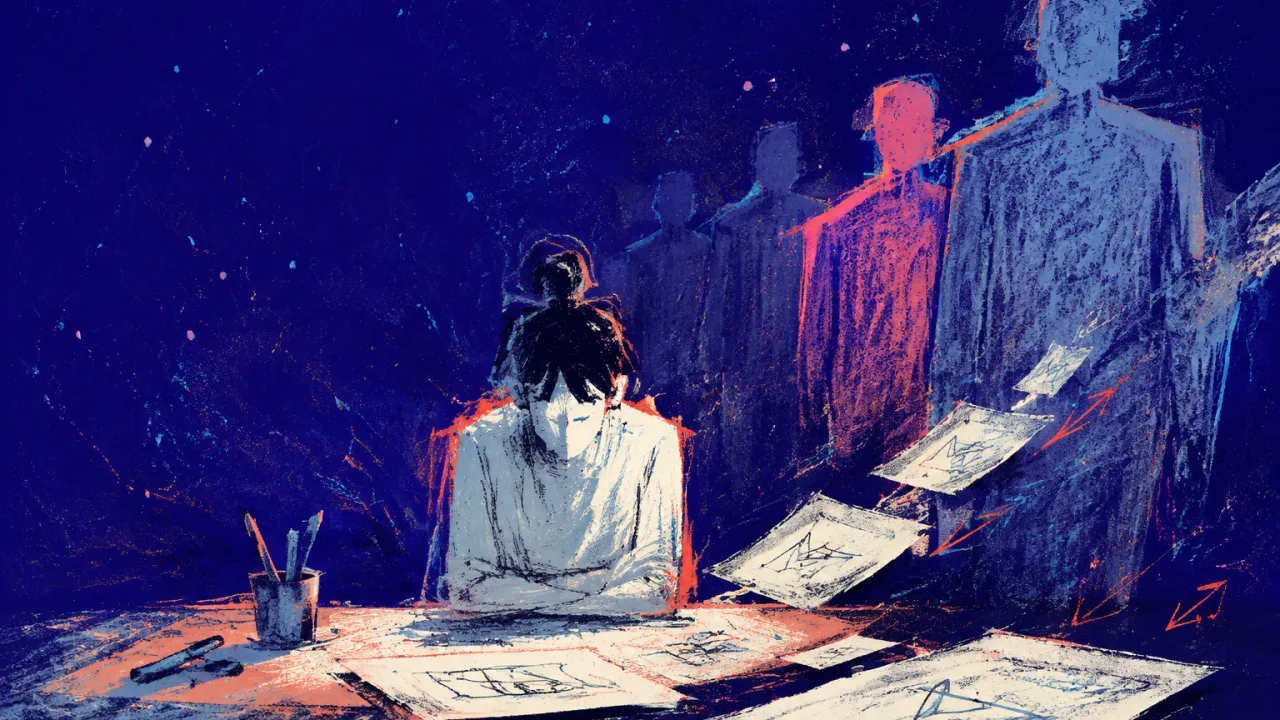
Creative Ownership Erosion begins when you enter a project with a concept, draft, design, or voice that is recognizably yours, and the shared Google Doc, Figma file, studio session, or campaign channel initially looks like ordinary collaboration. Then comments arrive without conversation, a lead presents your idea in a meeting as “the direction we landed on,” and each handoff removes another trace of where the work began. Your name slips from the deck; your byline moves below people who joined later; a client-facing version appears with your phrasing intact but someone else listed as owner. When you ask for credit or access to decisions, the reply is procedural: everyone contributed, the deadline was tight, titles determine who presents, or the company controls the final output. You still receive revisions, late messages, and requests to “make it feel more original,” but not the invitation where the final choices are made. Over weeks or months, folders multiply, version history becomes harder to follow, and the work travels farther from you while remaining close enough that you are expected to repair it. Before sending a new draft, your hand pauses over Share and your shoulders angle inward toward the screen, because another upload may become material you can no longer name as yours. The cost is built into the routine: time spent documenting timestamps, scanning launch credits, and deciding whether speaking up will protect your contribution or exclude you from the next project. By release day, the public result carries pieces of your labor while the visible authorship sits elsewhere, much like the Seven of Swords, where one figure walks away carrying five swords while two remain behind.
Why it's not you?
The issue is not whether you collaborated generously enough; the project keeps separating your contribution from your name and access to decisions. Repeated edits, closed approval channels, and vague claims that “everyone contributed” are features of the setup, not evidence that your work had no identifiable source.
Creative Ownership Erosion in Tarot Cards
Creative Ownership Erosion takes shape when your work remains in the final output while your name and access to decisions keep moving outward. The pause of your hand over Share and the way your shoulders angle toward the screen register the repeated handoff. It is an environmental and structural dynamic: credit, access, and authority are redistributed through the project's routine. The Tarot Cards below mirror the visible contours of that situation.
Creative Ownership Erosion in Tarot Card Reading Insights
When work stays in the release but its maker is moved away from credit and final decisions, others have brought that same Creative Ownership Erosion into readings. The Tarot Reading Insights below show what surfaced in those sessions.