Stuck Behind One Tab?

A stalled workflow described through one blocked screen, related tarot cards, and tarot reading insights from similar work bottlenecks.

One-tab Work Block
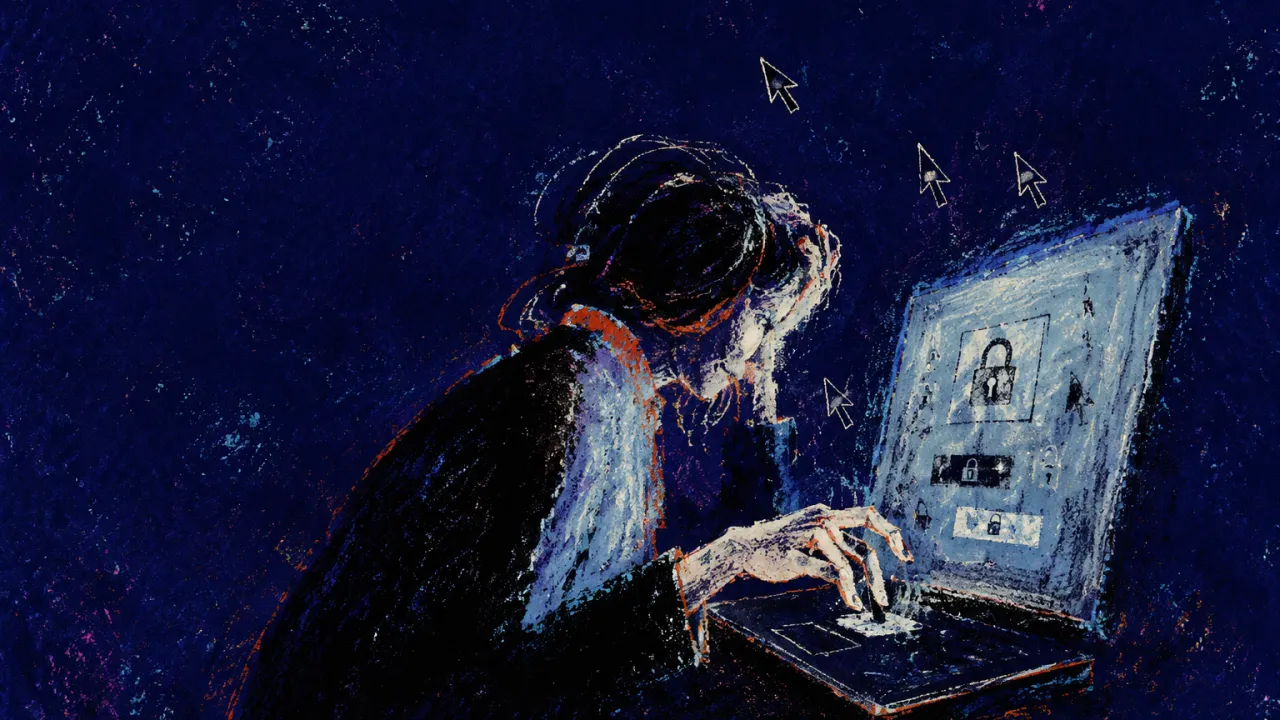
A seated figure pushed back from one glowing tab, locked icons and waiting cursors forming barriers at the screen

What is this situation?

One-Tab Work Block — you sit down to get one clean piece of work done, open the single tab that is supposed to contain the task, and within minutes the whole day has narrowed to that rectangle of glass. The dashboard asks for a login code from your phone, the document links to a spreadsheet you do not have permission to view, the client notes live in another platform, and the person who can unblock the file is offline or replying in fragments between meetings. You are not refusing the work; the work keeps sending you through locked doors, expired sessions, missing context, and tiny dependencies that turn one tab into a queue. Every click creates another wait: a spinning loader, a greyed-out button, a request-access screen, a Slack message that needs to be phrased carefully because you have already asked once. The power sits with systems, permissions, managers, product choices, and people whose timing controls whether your task can move, while your own time is treated as if it can simply stretch around the delay. By late afternoon, your body is still at the desk, your hand still on the trackpad, your notes still open beside the same blocked page, and the fatigue comes less from effort than from being held in place, much like the figure on The Hanged Man, suspended upside down while the world continues without giving them a step forward.

Why it's not you?

The problem is not that you are lazy, scattered, or bad at starting; the task has been built around bottlenecks you do not control. Broken permissions, fragmented tools, delayed replies, and unclear ownership create a work block that sits outside your effort. When one tab becomes the place where everything stops, the blockage belongs to the system around the task.

One-tab Work Block in Tarot Cards

That stuck feeling when one browser tab becomes the gate for everything else is not just about focus; it is the shape of the work system pressing through a single narrow opening. The tightness in your jaw, the hand hovering over the mouse, and the repeated return to the same half-loaded screen point to an environmental, structural dynamic rather than a personal failure to start. These Tarot Cards reflect the outline of that stalled workflow: blocked access, suspended momentum, and the pressure of waiting while the day keeps moving.

The Hierophant
Upright
The seated Hierophant between two pillars faces kneeling figures, while the crossed keys rest at the base of the institutional scene. The arrangement turns access into a formal passage: authority sits centrally, recipients wait below, and the keys identify the objects that unlock participation. The pillars become the company's platforms and rules, while the keys become authentication, permission tiers, and approval paths. You can be ready with the task, but the institution still requires the correct person, sequence, and status before the work is allowed to proceed. The structure shows why a tiny dependency can consume a workday: the organization recognizes process as valid work, while your role experiences the process as a locked door. The blockage belongs to the institutional design surrounding the task.
Justice
Upright
The upright sword and balanced scales place rule and measurement in the same hands. The sword cuts a clear line between what is authorized and what is not, while the scales expose whether the weight of responsibility matches the resources released to carry it. For the work block, the scales hold your visible deadline on one side and the hidden permission chain on the other. You can be evaluated on the finished file even though an administrator, product setting, manager, or offline collaborator controls the condition that makes finishing possible. The image gives the delay an objective structure rather than a moral explanation. The relevant distinction is between the person recorded as responsible for delivery and the system or owner holding the authority to unblock the route.
The Hanged Man
Reversed
The upside-down figure hanging from the living tree is held in place while the surrounding world gives no visible route forward. In the reversed texture, the suspension is imposed rather than chosen: the single work tab becomes a rope, and every login code, greyed-out control, and request-access screen keeps your hands at the same point. The tree's fixed branch names the system boundary, while the inverted body names the loss of ordinary forward motion. Your time remains available on paper, but permissions, fragmented tools, and an offline owner control the actual route to completion. The image exposes a career bottleneck where effort is present but throughput is externally rationed. Seeing the dependency chain separates the blocked role from the moral story that you failed to start.
Three of Pentacles
Reversed
Three figures gather inside a cathedral under construction, with one holding the plan while the others stand as specialists around the same unfinished structure. Reversed, the shared build remains visible but the joints do not close: the work exists as a project while its people, information, and permissions fail to meet at the point of action. The architectural plan names the missing context, and the separate workers name the handoffs that keep moving responsibility outward. You can hold your part of the assignment, but another person owns the source notes, another platform owns the file, and another colleague controls the access needed to connect them. The reversed structure makes the career bottleneck collaborative rather than personal. The unfinished result records a coordination failure in the work system, not an absence of willingness to contribute.
Five of Pentacles
Upright
The two figures moving through snow pass beneath a lit stained-glass window, with shelter visibly present but not available to them. That outside-and-inside split mirrors a work block where the platform, document, or team knowledge exists somewhere in the organization while remaining inaccessible at the exact moment you need it. The cold, bent bodies give the delay a material cost: you remain at the desk, ready to work, while the resource infrastructure stays on the other side of a permission boundary. The light does not remove the barrier; it makes the barrier more visible. You are not being asked to create from nothing. You are being kept near a resource that is visible but unavailable, and the fatigue comes from carrying the task through an institutional access gap.
Six of Pentacles
Reversed
The seated figure holds a scale in one hand and distributes coins from the other to two kneeling figures. Reversed, the same arrangement shows the resource staying in the gatekeeper's hand while the people below remain dependent on an allocation they cannot control. The scales expose the mismatch between your visible obligation and the invisible permission layer behind it. A manager's approval, an administrator's access change, or a coworker's source file becomes the coin that decides whether your workday produces an outcome. You can keep the task open and ask carefully, but the physical arrangement still places the release of value above the person expected to deliver. The structure names a workplace power dynamic in which a basic operating resource is distributed as a favor.
Eight of Swords
Upright
The blindfolded figure, bound hands, and ring of eight upright swords create a physical enclosure around a person who cannot freely choose a direction. The distant castle remains visible but unreachable, much like a finished work product that you can describe but cannot access the materials or permissions needed to complete. The swords become the login code, the locked document, the greyed-out button, and the unavailable owner. The blindfold names missing context rather than personal incapacity, while the bindings show how each dependency narrows the next available action. Your role retains the deliverable and the deadline, while the surrounding system retains the sightline and movement. The image makes the career structure legible: responsibility has been assigned to you, but operational access has not.
Three of Wands
Upright
The figure standing on high ground holds a staff and watches ships move across the water beyond the shore. The ships make the external workstream visible, while the distance shows why a prepared position does not give you control over when the next handoff arrives. Your task can be open, your notes can be ready, and your intention can be clear, yet the permission change or reply remains out on the horizon. You can observe the route and understand what needs to happen next without being able to make another person's meeting schedule, inbox, or system queue move faster. The scene gives the waiting period a usable structure: this is a timing dependency between a prepared task and an external arrival. The delay is not evidence that you lack direction; it is the distance between your current work position and the resource still in transit.

One-tab Work Block in Tarot Card Reading Insights

One-Tab Work Block shows up when a simple task becomes trapped inside logins, approvals, links, and tools that refuse to line up. Others have brought this same stalled-workflow feeling into readings when the page in front of them became the whole bottleneck. Tarot Reading Insights from sessions where work could not move until the system did.