When Every App Keeps Reopening

A grounded look at this digital boundary, related tarot cards, and reading insights from people bringing similar silence into a spread.

Digital No Contact Boundary
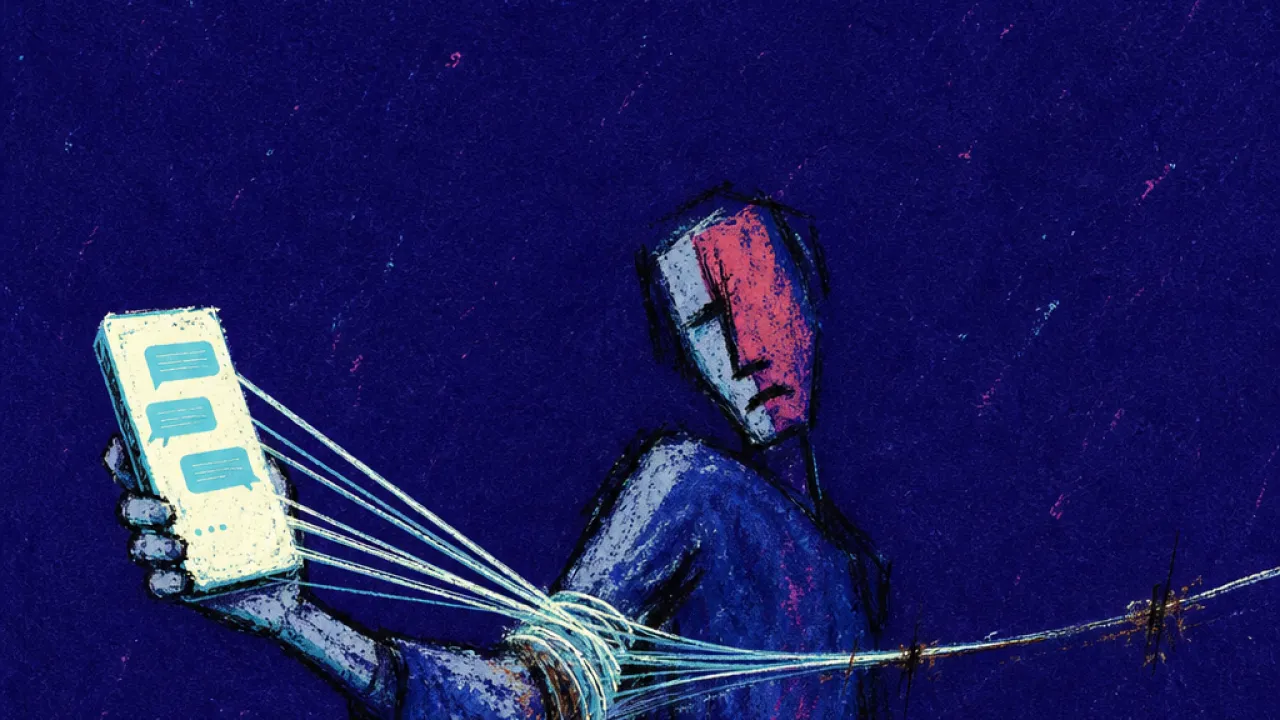
A solitary figure holding a phone away as glowing message threads pull at the wrist in deep indigo space

What is this situation?

Digital No Contact Boundary — you make the decision somewhere ordinary, maybe sitting on the edge of your bed with your phone in your hand, staring at a contact name you know too well. You block the number, mute the thread, archive the chat, unfollow or restrict the account, and for a few minutes the screen looks clean enough to believe the line is set. Then the situation keeps unfolding through the systems around you: their profile appears in a suggested search, an old photo resurfaces in memories, a mutual friend's post puts their face back in your feed, a group chat keeps the connection technically alive, or you catch yourself hovering over the message thread because the app still knows exactly where to place it. The other person may not even be speaking directly, but the digital environment keeps leaving doors cracked open, turning your phone into a place where distance has to be rebuilt every day. The power dynamic is no longer only between two people; it also lives in timestamps, read receipts, archived media, shared playlists, location histories, and the quiet pressure of one tap that could undo the boundary. You move through work, errands, nights out, and late scrolling with a small ritual of not checking, not replying, not searching, not giving the algorithm another reason to pull them closer. The cost is practical and constant: you are not just ending contact, you are managing the many digital routes that can reopen it, much like the Two of Swords, where a seated figure holds two crossed blades against the chest while the water behind them keeps waiting to move.

Why it's not you?

The problem is not that you are weak for finding it hard; the setup itself keeps contact within reach. Modern apps are built to preserve visibility, memory, and access, so holding a no-contact line often means pushing against the design of the digital space. This is a boundary being tested by channels, prompts, and shared networks, not a flaw in your character.

Digital No Contact Boundary in Tarot Cards

A Digital No Contact Boundary is not just a private decision; it is a daily encounter with apps, feeds, message threads, and reminders that keep testing the line you set. The phone-in-hand tension, the hover over an archived chat, and the tight stillness of not tapping back in all show how the body gets pulled into a digital boundary. This is an environmental, structural, and dynamic situation shaped by platform design, mutual networks, and unfinished access points. These Tarot Cards reflect the outline of that pressure, from guarded silence to the act of walking away from what keeps calling you back.

The Hermit
Upright
The Hermit's lantern illuminates only the next small area while the rest of the mountain remains dark, matching the narrow attention required when an archived thread or suggested profile reappears. The staff provides a stable point of support, while the empty landscape separates chosen reflection from the constant stimulus of a shared digital history. Upright, this solitude gives you an accessible psychological container in which the other person's latest post, timestamp, or activity status does not have to become new information. The boundary can hold internally because attention has somewhere else to stand, even when the phone still contains technically reachable evidence of the relationship.
The Devil
Reversed
The inverted chains still connect the two figures to a structure above them, showing that recognising an exit does not automatically dismantle the system that maintained the bond. Digital no contact creates the same developmental gap: the decision may be clear while the interface, habits, and shared-data routes continue organising behaviour around the old connection. The reversed orientation places your growth at the obstructed threshold between insight and implementation. The cognitive upgrade is not a demand for perfect self-control; it is the recognition that a boundary becomes durable only when its definition includes indirect viewing, algorithmic resurfacing, shared archives, and the meanings attached to one-tap access.
Six of Cups
Reversed
The flower-filled cups, child figures, and enclosed courtyard preserve a scene from the past as if it were still present. Reversed, that archive no longer arrives as contained memory; old photos, anniversary prompts, shared playlists, and platform memories can interrupt no contact according to the app's schedule rather than yours. The obstructed path lies in who controls the return of the past. You may have stopped searching, yet the digital system can still recirculate intimate history at high-pressure moments, making timing itself part of the boundary and turning a settled day into an unchosen reunion with stored material.
Eight of Cups
Upright
The departing figure leaves eight cups standing rather than destroying them, a precise image for ending romantic access while acknowledging that messages, photos, and shared experiences still exist. The eclipsed moon and distant mountains place the breakup beyond the clean certainty promised by a block button. Upright, the visible path allows you to move away without waiting for every digital object to lose its emotional charge. The romantic boundary becomes an active departure from a system of access, not a claim that the relationship never mattered, and that distinction can keep preserved history from functioning as an automatic invitation to return.
Two of Swords
Upright
The seated figure's crossed swords protect the chest while the moonlit water holds unresolved movement behind her. In a romantic context, the visual matches blocking an ex while messages, memories, mutual friends, and the possibility of a reply remain emotionally and technically present. Upright, the blades make a clear protective line available before every feeling has reached agreement. You do not need the shared history to become simple before defining access; the card instead exposes how app interfaces can keep converting a settled relationship boundary into repeated prompts to reopen the decision.
Four of Swords
Upright
The recumbent figure rests beneath three suspended swords while a fourth lies horizontally below, enclosing the body inside a deliberate pause. The chapel-like setting separates this interval from ordinary traffic, just as blocking and muting can create a protected communication window inside an always-on digital environment. Upright, the still space is accessible and purposeful rather than empty. You can treat silence as an active period in which no new message, read receipt, or profile check is required to settle the relationship, while the swords remaining in the room acknowledge that the underlying conflict has not been erased by the pause.
Six of Swords
Upright
The boat occupies the middle of the water, with the previous shore behind and the destination still ahead. The swords travel inside the boat, matching a no-contact period in which direct messages have stopped but reminders, shared accounts, and the reflex to check remain present during the crossing. Upright, the steady passage gives time a visible function: distance accumulates through continued movement rather than through one dramatic moment of closure. You may still encounter digital residue without being back at the starting point, because the timing structure is transitional and the calmer shore has not yet been reached.
Page of Swords
Reversed
The wind-tossed Page looks behind while holding the sword of attention and communication upright, as though every distant movement might require interpretation. Reversed, the scene turns a useful capacity for noticing into an unstable scan of online signs, where likes, timestamps, follower changes, and mutual posts occupy the psychological space left by silence. The blocked path is not access to more data but access to trustworthy meaning. You can collect many fragments without resolving what the other person intends, so the digital environment keeps the internal cache active by offering endless evidence that remains structurally inconclusive.
Queen of Swords
Upright
The upright sword, forward-facing throne, and extended hand organise complexity into a boundary that is both firm and specific. Digital no contact requires the same cognitive architecture because block, mute, restrict, archive, indirect viewing, shared-data access, and emergency contact are different mechanisms that a vague rule may fail to distinguish. Upright, clarity is an available resource rather than a demand for emotional certainty. Your growth becomes visible in the move from repeatedly negotiating with each prompt to recognising the underlying system and defining which forms of access are compatible with the boundary you have already chosen.
Seven of Wands
Upright
The lone defender faces several staffs from people outside the frame, capturing how a private friendship boundary can become exposed to the wider friend group. Shared chats, forwarded screenshots, event planning, and friends carrying messages can keep the connection operational after you have blocked the direct route. Upright, the higher ground preserves room for a differentiated position: you can hold no contact with one friend without treating every shared friend as an opponent. The card also makes the cost visible, because you may have to restate the same boundary whenever the support network assumes that technical silence is an invitation to mediate.
Nine of Wands
Upright
The injured guard stands before a completed row of wands but remains ready for another approach, showing why a digital boundary can feel unfinished even after weeks of silence. Resurfaced memories, anniversaries, late-night messages, and renewed follow requests place the boundary inside recurring cycles rather than a single closing moment. Upright, the existing wall means time has already produced evidence, structure, and distance that you can use. The card does not turn vigilance into a permanent identity; it reveals the current timing problem as deciding when repeated exposure still warrants active guarding and when the infrastructure is stable enough to demand less attention.

Digital No Contact Boundary in Tarot Card Reading Insights

When a Digital No Contact Boundary becomes the main issue, people often bring the blocked thread, the muted profile, or the urge to check back into a reading. The shift from cards to readings shows how this boundary appears when someone is trying to hold distance inside a connected digital world. Tarot Reading Insights from sessions involving similar no-contact lines are gathered below.

Psychological Contexts Related to Digital No Contact Boundary