Still Paying for Past Effort?
Explore the study loop, related tarot cards, and readings from others facing costly academic path dependence.

Sunk Cost Study Loop
What is this situation?
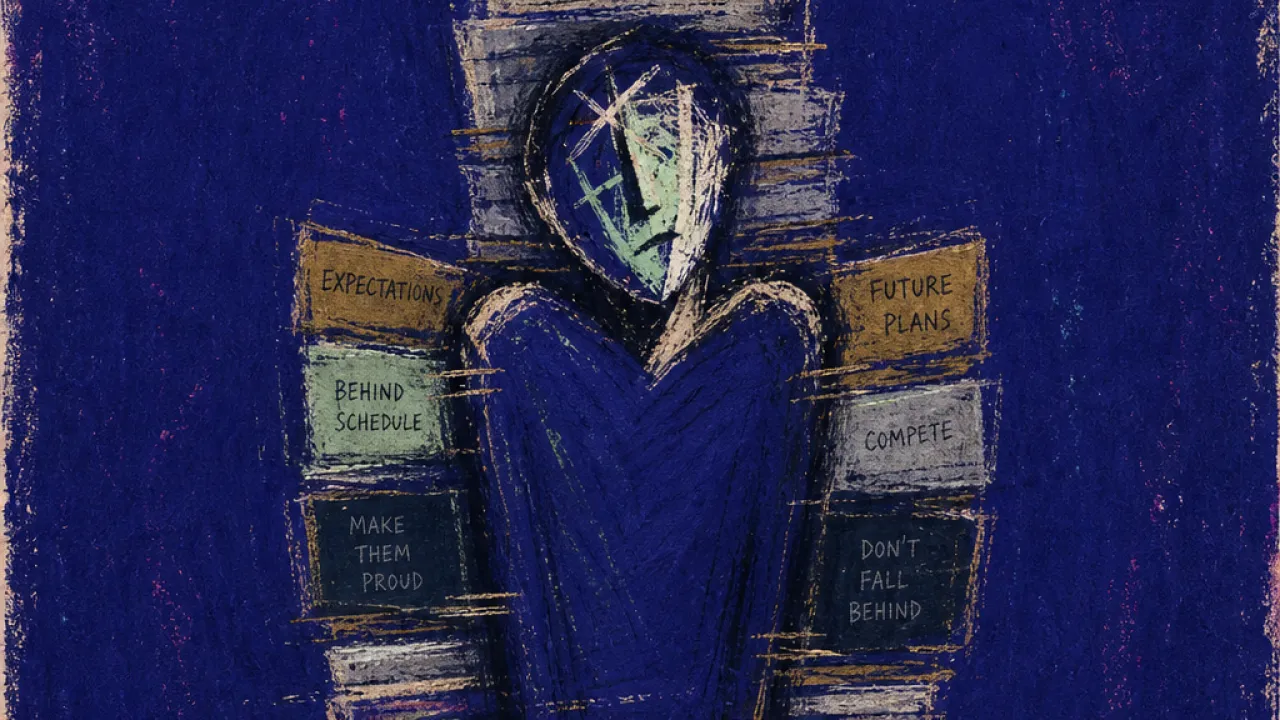
Sunk Cost Study Loop — you realize it somewhere ordinary: sitting in the library after another late lecture, staring at a half-finished essay, a degree audit, a scholarship deadline, or a spreadsheet of credits that already took years to collect. At first, the path made sense because there was a plan, a major, a research question, an exam strategy, or a course sequence that promised momentum. Then the plan began demanding more from you than it was giving back: the same revision method stopped improving your marks, the same topic kept producing dead ends, the same major opened fewer doors than everyone said it would, yet every completed module made stepping away look more expensive. Advisors ask whether you can just push through one more term, family members count the years already spent, classmates move ahead on the same track, and the institution quietly turns past work into a fence of prerequisites, timelines, transfer rules, and sunk credits. Your days become organized around preserving what has already been built: reworking notes that do not clarify the material, staying in a lab or course plan because leaving would require explanation, defending a choice you are no longer sure you would make again. The drain is not only the workload; it is the constant negotiation with visible proof of effort, where every old grade, paid fee, annotated article, and completed requirement seems to argue for more time on the same route. By the time you think about changing direction, the question is no longer simply what fits now, but what the past will accuse you of wasting, much like the figure on the Seven of Pentacles standing beside the same cultivated vine, with enough growth to prove the labour and enough fixation to leave the rest of the field unused.
Why it's not you?
This is not a failure of discipline or intelligence; it is a situation where the system makes prior effort look like a binding contract. Completed credits, scholarship clocks, family expectations, transfer rules, and old grades can turn a study path into something that keeps asking for payment simply because you have already paid so much.
Sunk Cost Study Loop in Tarot Cards
In a Sunk Cost Study Loop, the pressure comes from the visible academic path already built around you: credits, deadlines, old marks, and expectations that keep asking for one more term. That tightness in your shoulders when you open the degree audit or return to the same notes is part of the scene, not a private flaw. It is an environmental, structural dynamic where previous effort starts shaping the next choice before you can ask whether the route still works. The Tarot Cards below reflect the contours of that kind of academic lock-in.
Sunk Cost Study Loop in Tarot Card Reading Insights
When a Sunk Cost Study Loop turns study into a route that keeps absorbing more time, others have brought similar academic path dependence into readings. These readings move from the cards into what came up when people sat with credits, timelines, old effort, and the question of whether to continue. Tarot Reading Insights from these sessions are listed below.
Full Course Load, Open Form, and a Week That Tested a New Pace
Topic:Timing Tarot Reading
Struggle:Social Clock Entrapment
Context:Model Student Performance Trap