Explore how tenure-shaped leadership blocks movement, then browse related tarot cards and reading insights tied to the pattern.
Old Guard Leadership
What is this situation?
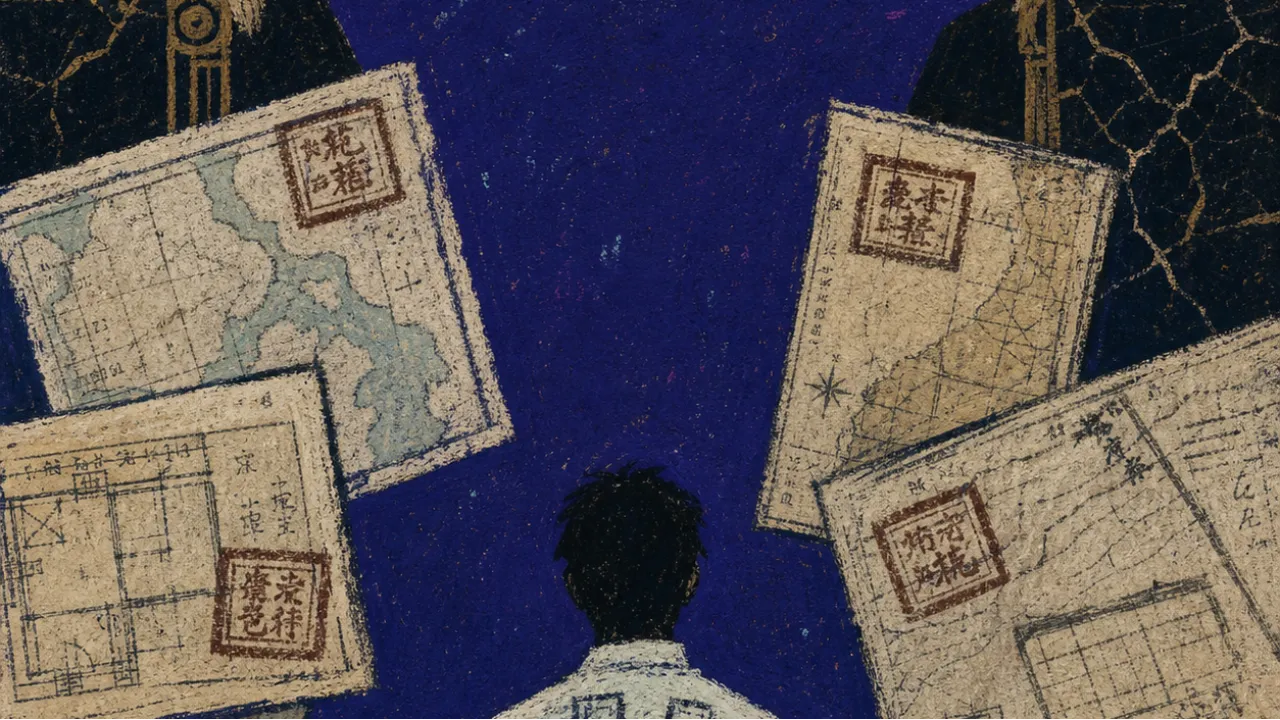
Old Guard Leadership - you step into the meeting room, studio, department call, or community board and notice how the room is already organized before anyone speaks. The senior names sit at the center of the agenda, the old slide decks become the proof of what works, and every new proposal has to pass through people whose authority comes from being there first. You bring a cleaner process, a fresher platform, an audience trend, or a better way to measure impact; someone says it is interesting, then asks whether it fits how things have always been done. Decisions happen in pre-meetings you were not invited to, credibility travels through long-standing networks, and promotion or visibility seems to depend less on the quality of the work than on whether the established group can recognize it as legitimate. You learn the choreography: sit upright, soften the edges, translate your idea into language the room already trusts, and watch the same people absorb, delay, or reframe anything that might shift the center of power. By Thursday, the fatigue is not only from the workload; it is from pre-clearing every sentence, reading who has informal veto power, and trying to move inside a structure that claims to value innovation while rewarding preservation. The whole system can feel much like The Emperor fixed on his stone throne, white beard and ram heads making the seat look older and heavier than the path you are trying to open.
Why it's not you?
This is not you being too new, too ambitious, or too impatient. Old Guard Leadership creates friction because authority is tied to tenure, inherited access, and the power to decide what counts as legitimate before your work is even weighed. When the path upward is controlled by legacy rules and informal gatekeepers, the blockage belongs to the system around you.
Old Guard Leadership in Tarot Cards
Old Guard Leadership has a way of turning every new idea into a test of whether the established room will recognize it. That moment when you sit upright, soften the edges, and translate your idea into language the room already trusts is the body learning the shape of the hierarchy. This is an environmental and structural dynamic, not a simple clash of personalities; power is embedded in tenure, symbols, access, and approval. The Tarot Cards below reflect the contours of that fixed center and the pressure it puts on movement.
The white beard, stone throne, ram heads, and mountain backdrop make authority look old, fixed, and territorially established. The seat has duration behind it; it does not need to explain itself in order to hold the center. In a workplace, that becomes senior leadership whose power is rooted in tenure, precedent, and control of the map. You may bring new ideas or modern skills, but the structure can keep advancement tied to what the old seat already recognizes as legitimate.
The Hierophant's authority is not casual; it is dressed, seated, raised, and symbolically reinforced. The staff, crown, robe, and stone setting all make leadership appear older, higher, and more legitimate than the people receiving its instruction. Reversed, that visual order can harden into old guard control. A decision may be shaped by senior leadership, legacy culture, institutional habit, or an established group whose rules were built for another moment. This context helps separate wisdom from inertia. The card makes the vertical structure visible so you can assess whether the old guard is preserving useful standards or blocking the path that the current reality requires.
The elder's closed mouth, fixed stance, and narrow lantern beam create an image of knowledge preserved at high altitude. When reversed, the same preserved light can become a rigid reference point that organizes the future around a map built for another terrain. Old Guard Leadership is not only about a person in power; it can be the old success model inside a family, workplace, field, or personal timeline. You may be trying to set direction while an inherited standard keeps defining what counts as serious, respectable, or safe. The Hermit's distance from the lower roads exposes the cost of that authority. A light that once guided movement can begin to block movement when it refuses to update what the landscape now requires.
The older figure in the background and the manor architecture give the card an inherited hierarchy. Reversed, the scene no longer reads as simple protection; it becomes a professional estate where established people decide how access, approval, and belonging are distributed. The children remain visible in the garden, but the wider territory is not theirs to govern. That maps onto workplaces where legacy leaders, long-tenured insiders, or old cultural norms shape promotion, visibility, and credibility beyond the written criteria. This card points to a power structure that may look polite and stable from the outside. The useful move is to identify which rules are official, which rules are inherited, and which gatekeepers actually control the path upward.
The elder seated in the foreground is not decorative; his body occupies the gate before anyone else reaches the house behind him. The robes, chair, dogs, and crest make authority look settled before the younger adults even speak. At work, that image maps onto leadership systems where tenure and legacy define what counts as credible. You may be dealing with a structure that rewards preservation over adaptation, so the real blockage is not one difficult person but a rank order built to keep its own logic intact.
The ox-headed throne, the cold black marble, the armor under the robe, and the boar under the foot show authority as something old, defended, and materially entrenched. The scene is not built for open circulation; it is built around a figure who already owns the symbols, the space, and the terms of access. Old Guard Leadership appears when a workplace is ruled by senior figures whose power rests on tenure, legacy networks, and resource control. You may be dealing with a system where new ideas are not evaluated only on merit; they must first pass through the habits, preferences, and territorial instincts of the people already sitting in the center.
The lions and salamanders repeat across the throne like a private language of rank. Authority is not only held by the figure; it is embedded into the furniture, the symbols, and the elevated access point. In a career setting, that image maps to a leadership layer that protects its own continuity. New ideas may be welcomed in language while actual movement still depends on the old center recognizing, approving, or absorbing them. The card links this context to a workplace where power has settled into tradition. You are not just pitching against a person; you are negotiating with an established command culture that decides which kinds of initiative are allowed to count.
No cards available for this filter.
Old Guard Leadership in Tarot Card Reading Insights
For people dealing with Old Guard Leadership, readings often begin with the same question: why does movement still depend on the established center recognizing it? The pieces below shift from the card list into how others have brought this kind of workplace or group structure into readings. Tarot Reading Insights on legacy power, gatekeeping, and blocked visibility.