Who Are You Without Resistance?
Explore the pattern of identity built through resistance, with related tarot cards and tarot reading insights from sessions.

Oppositional Identity Lock
What does this feel like?
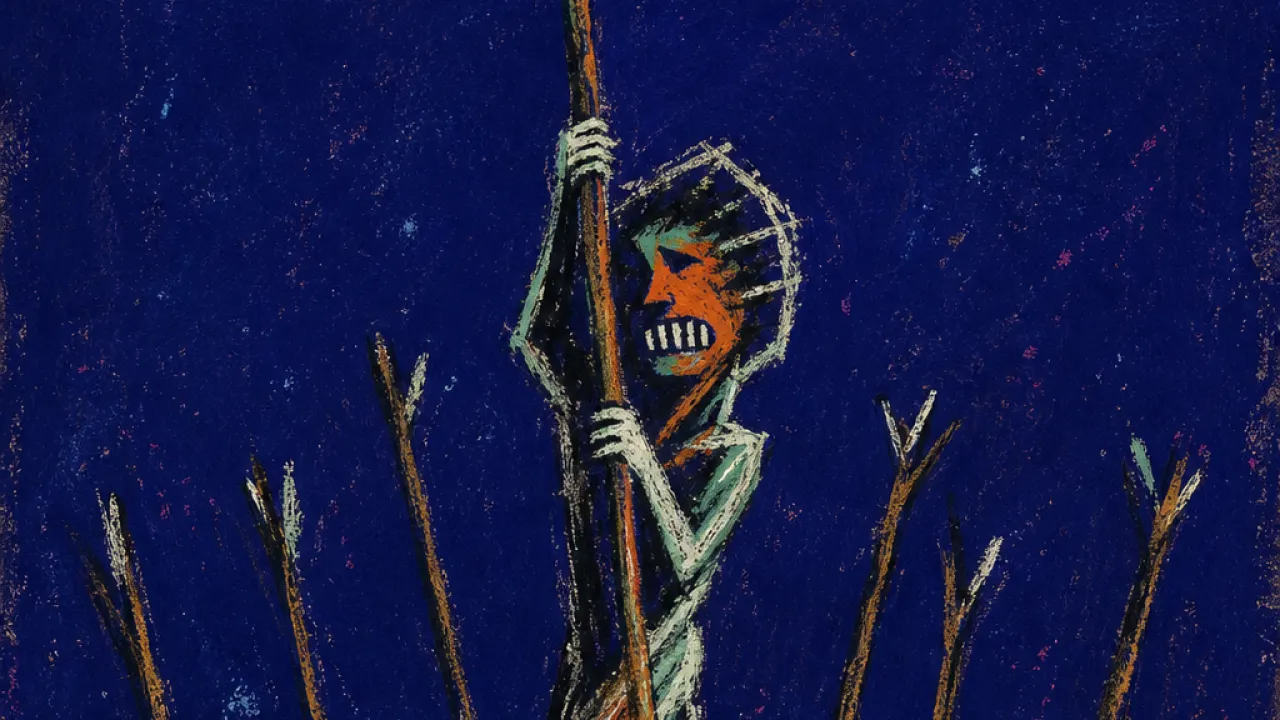
Oppositional Identity Lock — you notice it in the split second before you answer, when someone says something ordinary and your body gets ready as if a line has been drawn on the floor. Your shoulders lift, your jaw sets, and your mind starts sorting for the flaw, the angle, the place where you can push back before anyone gets too close to deciding what you are. Sometimes it happens in love, when a partner asks for softness and you hear it as a threat to your outline; sometimes it happens in a group, where agreeing too easily feels like being swallowed by the room; sometimes it happens alone, when no one is arguing with you and the silence feels weirdly unsafe, because you are not sure who you are without something to resist. You may call it having standards, being honest, refusing to be fake, and sometimes that is exactly what it is. But other times, the fight has already outlived the moment that created it. You can feel that difference in your body: the quick heat in your chest, the tightness behind your teeth, the way your hands hover over a reply like you are gripping a weapon you forgot you were holding. The hardest part is that opposition can make you feel awake, solid, unmistakably yourself; it gives your outline a clean edge. So when ease arrives, when someone does not challenge you, when the room does not require a defense, it can feel less like peace and more like erasure. The cost is not that you have a voice — the cost is that your voice starts needing resistance in order to sound real, much like the figure on the Seven of Wands, planted on uneven ground, holding one wand against six others until the defensive posture begins to look like the person himself.
What's pulling at you?
You're not stuck because you disagree with people — disagreement can be clear, necessary, and honest. You're stuck when pushing back becomes the main way you know where your edges are, so connection, ease, or agreement can start to feel like losing yourself.
How It Shows Up?
- You open a group chat and see everyone agreeing on something small — a restaurant, a plan, a take — and your thumb is already moving before you've fully decided what you think. Your chest tightens, your jaw shifts forward, and there is a quick heat behind your ears, as if staying quiet would make you blur into the room. You type a correction that is technically fair, maybe even useful, but your body feels braced afterward, like the Seven of Wands' raised stance has moved into your shoulders. You can let the first wave pass before deciding whether this is the hill you want to stand on.
- You're with someone you care about, and they make a simple request: could you try it this way, could you meet me halfway, could we not turn this into a debate tonight. You hear the words, but your stomach pulls in and your throat gets narrow, because agreeing too quickly feels like handing over a piece of yourself. Your face goes still, your arms fold without permission, and suddenly the room feels less like a conversation and more like a line you have to hold. It is allowed to pause without surrendering anything.
- At work or school, feedback lands in your inbox, and even before you read the whole thing, your body prepares a defense. Your shoulders rise, your fingers hover over the keyboard, and you start building the response in your head: why the critique misses the point, why your method makes sense, why they do not get what you were trying to do. The strange part is that some of the feedback may be useful, but your nervous system treats usefulness and threat as if they arrived in the same envelope. You can read it once without answering it yet.
- At a party, dinner, class, or work drinks, someone asks what you think, and you feel yourself scan the room for the consensus before choosing the opposite edge of it. Not because you are lying, but because standing apart feels cleaner than being absorbed. Your breath gets shallow, your smile turns sharp at the corners, and you notice the small satisfaction of being difficult to place. You do not have to become easy to read in order to belong somewhere.
- You wake up on a Sunday with no argument to win, no message to answer, no obvious thing to push against, and the quiet feels oddly unstable. Your hands lie flat on the blanket, your ribs feel hollow, and your mind starts searching for a target: an old comment, a future confrontation, a version of yourself you still need to outgrow. Without resistance, the day feels like a room with the floor slightly tilted, and you are not sure where to stand. It is okay for stillness to feel unfamiliar before it feels restful.
Oppositional Identity Lock in Tarot Cards
Oppositional Identity Lock lives in the moment when standing your ground starts to feel like the only proof that you are still there. You can feel it in the tight jaw, folded arms, shallow breath, and the strange unease of a day with nothing to push against. From an existential perspective, the structural framework here is about a self that has learned to stay visible by resisting what surrounds it. The Tarot Cards below make that outline easier to see without explaining it away.
Oppositional Identity Lock in Tarot Card Reading Insights
When your sense of self feels clearest in the act of pushing back, that same pattern can follow you into a reading. Other people have brought this question to the cards when ease felt suspicious and agreement felt too close to disappearing. Tarot Reading Insights from sessions that circle this kind of locked resistance.
Three Screenshots Gave Way to a Two-Column Note and One Boundary
Topic:Social Tarot Reading
Struggle:Triangulated Belonging
Context:Pathless Social Transition
Mocking a Promotion, Reopening the Post—Choosing a Personal Measure
Topic:Social Tarot Reading
Struggle:Belonging-Authenticity Split
Context:Status Anxiety Circle

Calling a Circle Elitist While Chasing Its Approval—Weighing Both
Topic:Social Tarot Reading
Struggle:Status-Belonging Fusion
Context:Social Gatekeeping Circle
Two Spreadsheets, Inherited Rules, Then One Reversible Career Test
Topic:Choice Tarot Reading
Struggle:Belonging-Authenticity Split
Context:Reinvention Culture Pressure
Inherited Anger at Work: Holding the Boundary, Changing the Delivery
Topic:Career Tarot Reading
Struggle:Oppositional Identity Lock
Context:Old Guard Leadership
The 'We're Family' Slogan Is Not the Scope: Ask, Then Choose
Topic:Career Tarot Reading
Struggle:Boundary Rigidity
Context:Unspoken Expectations Gap