Protected From the Next Step?
Explore Recovery Avoidance through lived description, related tarot cards, and tarot reading insights from sessions.

Recovery Avoidance
What does this feel like?
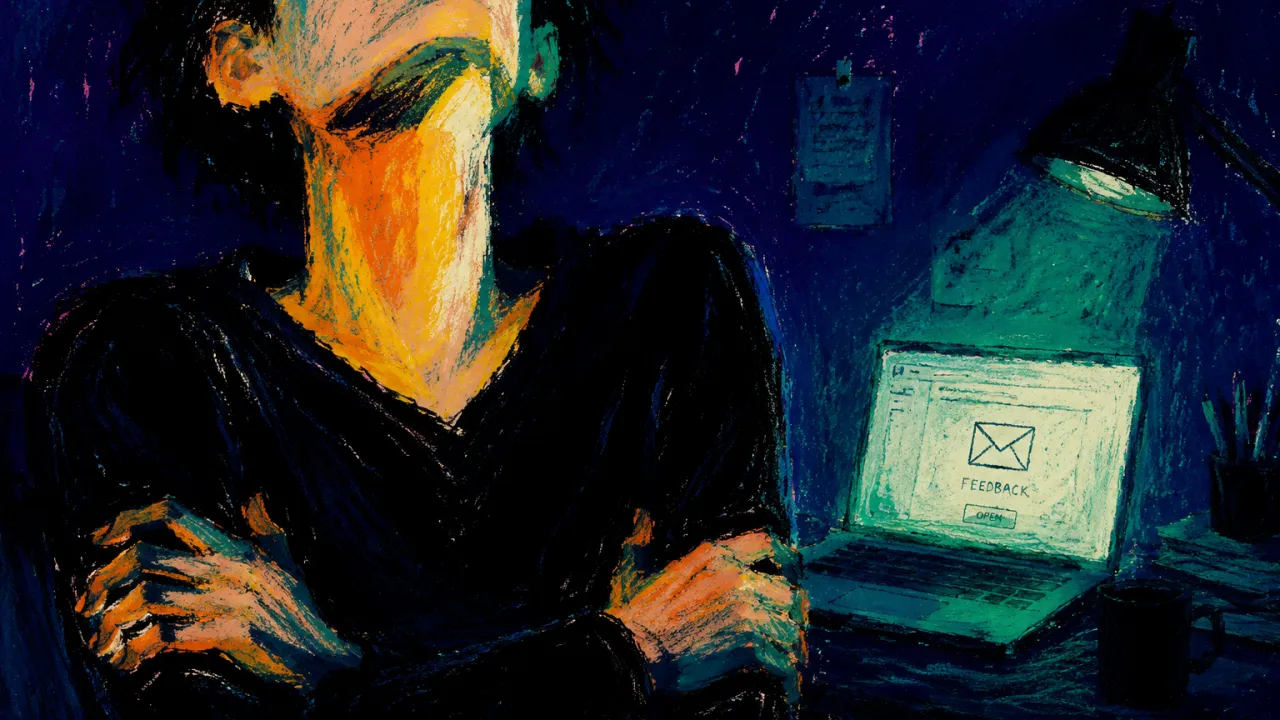
Recovery Avoidance - you sit with your laptop open and the thing that would help you move on is right there: the unread feedback, the apology you could answer, the draft you stopped touching, the plan you keep saying you'll restart on Monday. Your hand reaches for the trackpad, then stops; your shoulders lift, your throat tightens, and suddenly you need water, laundry, a new playlist, one more scroll, anything that keeps you near the problem without making contact with it. The strange part is that you are not leaving the scene. You are almost there. You keep the tabs open, stack the notes neatly, save articles about recovery, tell yourself you are giving it time, and from the outside it can look responsible, even calm. But inside, the next step has become hot to the touch. Opening the message would mean feeling the sting again; returning to the draft would mean meeting the sentence where you lost confidence; resting would mean hearing everything that catches up when you stop. So you build a life around the edge of repair: close enough to monitor the wound, far enough to avoid the contact that might change it. Days pass in this sealed pause before contact, and the cost is quiet but specific: you do not get to be finished, and you do not get to begin. You stay loyal to the shape of the setback because it is familiar, much like the black-cloaked figure on the Five of Cups, standing close to the bridge and the two remaining cups, but sealed into a posture that makes every route forward look distant.
What's pulling at you?
You're not avoiding recovery because you don't care; you're caught between protecting yourself from the sting of re-entry and needing to re-enter before your life shrinks around the setback. The route back is visible, but the first point of contact has started to feel sharper than staying paused.
How It Shows Up?
- It's 12:47 AM and the feedback tab is still open behind everything else. You click through harmless pages, but your eyes keep catching the tab title, and each time your throat pinches as if a hand is resting there; your shoulders rise, your thumb hovers, then you fold your arms and move away again. A black-cloak kind of stillness gathers around the desk, with the route back visible and unused. You can close the screen without turning the whole night into a verdict.
- A friend or partner sends, 'Do you want to talk about it?' and you type three different answers before deleting all of them. Your stomach pulls tight, your face stays blank, and your fingers go cold because answering would mean stepping back into the exact moment you managed to get through by going quiet. You leave the message unopened, not because you don't care, but because contact feels too bright. A smaller answer is allowed; you don't have to make the whole conversation happen at once.
- You sit down to restart the assignment, portfolio, or work file, and somehow spend forty minutes renaming folders, rewriting the to-do list, and choosing the cleanest template. Your jaw is tight, your wrists feel stiff above the keyboard, and the old file sits untouched like it has its own weather. The room has the tidy stillness of Four of Swords: arranged, quiet, and not quite rest. Letting the file stay closed for one more breath can simply mark the edge you have reached.
- At lunch, after class, or in a group chat, someone asks how the project is going or whether you're 'back on track' yet. You smile a second too fast, feel heat climb into your cheeks, and give a neat update while your chest compresses around the part you haven't touched. The bridge is in view, the remaining cups are there, and still your body faces the spill. You can answer with the amount of detail you have available.
- You get into bed early because you promised yourself tonight would count as recovery, but the second the room goes quiet, the backlog starts speaking. There is pressure behind your eyes, a buzz under your ribs, and the blanket feels less like comfort than a lid; suddenly scrolling, cleaning, or planning tomorrow feels easier than lying still. It has the Nine of Swords pressure of a bed that cannot soften what is hanging over it. You can let the body notice that without forcing yourself to relax on command.
Recovery Avoidance in Tarot Cards
That place where the route back is visible but the first touch feels too sharp is the center of Recovery Avoidance. It shows up in the body as a tight throat, raised shoulders, and a thumb hovering over an unopened message. From an existential perspective, this struggle has a structural framework: staying paused protects you from contact, but it also keeps you unfinished. The Tarot Cards below mirror that sealed pause without explaining it away.
Recovery Avoidance in Tarot Card Reading Insights
When Recovery Avoidance keeps you close to the work, the conversation, or the wound without letting you touch it, other people have brought that same locked pause into readings too. The pieces below move from card images into session-based readings around the moment of almost returning. Tarot Reading Insights for this struggle.