What Are You Not Seeing?
Explore Opportunity Blindness through grounded descriptions, related tarot cards, and tarot reading insights from sessions on missed openings.

Opportunity Blindness
What does this feel like?
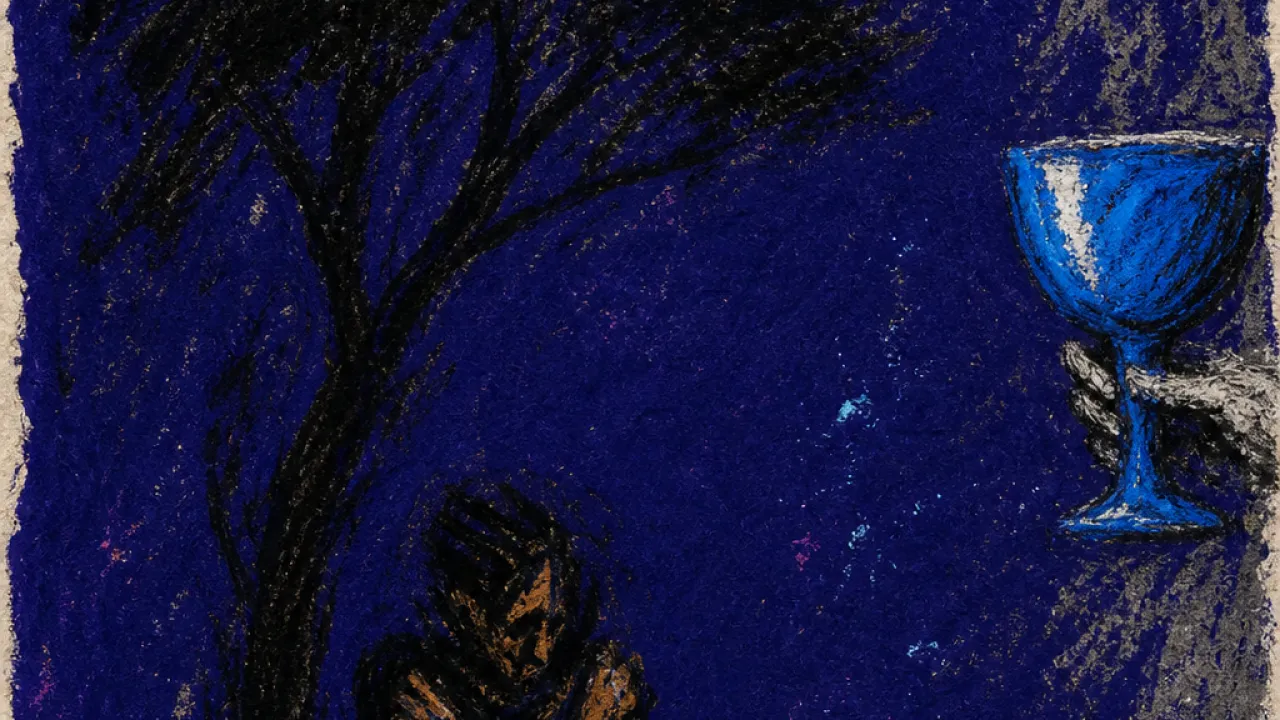
Opportunity Blindness — you catch yourself saying there are no options, even while your phone, inbox, calendar, and half-finished conversations are quietly holding small openings you cannot seem to feel as real. It starts in a tiny moment: an email you skip because it looks too ordinary, a friend’s invite you dismiss before the details land, a link you do not click because you already know it will not help, a suggestion you hear as noise because it does not arrive in the shape you were waiting for. Your body closes before your mind has a chance to investigate; your arms fold, your jaw sets, your eyes move back to the three familiar choices on the ground, the ones you have already judged, tested, resented, or outgrown. You tell yourself you are being realistic, and sometimes you are, but underneath that is a quieter lock: the part of you that should register a new path has become trained to scan for proof that nothing will change. So the future can be sitting close enough to touch and still feel like background. You keep looking for the dramatic sign, the clean answer, the obvious doorway, and miss the softer signal because it arrives as a DM, a casual comment, a different route home, a job title you had not considered, a person who is not your usual type of safe. The cost is subtle but heavy: life begins to feel smaller than it actually is, not because the room has no doors, but because your attention keeps returning to the wall you already know. And that is the hard part — not that you have nothing, but that something near you cannot enter your field as usable, much like the figure on the Four of Cups, sitting beneath the tree with folded arms while the offered cup waits plainly at the edge of his closed world.
What's pulling at you?
You are not missing options because you are careless; you are caught between wanting a new direction and needing it to prove itself before you risk paying attention. The bind is that anything unfamiliar has to pass through an old filter first, so openings can be present and still feel irrelevant, unsafe, or too small to count.
How It Shows Up?
- You open your inbox and see an email with a subject line like 'quick intro' or 'thought you'd be a fit,' but your eyes slide past it because your brain has already filed the day under more of the same. Your shoulders creep up, your thumb keeps scrolling, and there is a flat, tired pressure behind your eyes, like even curiosity would cost too much. The message sits there like a fourth cup held just outside your usual line of sight, visible but not yet usable. You can leave it marked unread without deciding what it means right now.
- A friend says, 'You should come with us Friday,' and you answer with a half-smile before you have even heard the details. Your chest tightens, your arms fold without you noticing, and the room seems to shrink around the familiar reasons: too awkward, too late, not your scene, probably nothing. Somewhere in the background there may be two cups still standing, but your attention is bent toward the last time going out felt disappointing. It is okay to notice the no before you decide whether it is the full answer.
- At work or school, someone mentions a side project, office hours, a referral, a different workflow, or a role that is not exactly what you pictured. You nod politely while your jaw locks, because your mind is already checking it against the three options you have tried and found useless. The opening is close, but it lands like noise, not direction, and your body stays braced as if receiving it would mean admitting you missed something. You can let the information sit nearby without turning it into pressure.
- You are alone on a weekend afternoon with your laptop open, tabs stacked across the top, and the same search terms typed into the bar again. Your stomach feels dull and heavy, your neck aches from leaning forward, and every page seems to confirm the same stuck feeling, even when one link is slightly different from the rest. The window is there, the bridge is there, but your gaze keeps returning to what already failed. It is allowed to step back from the screen before naming the whole future from one afternoon.
- In a group chat, a quieter person reacts to something you said, offers help, or sends a low-key invite, and you barely register it because the loudest dynamic has already taken up the whole room in your head. Your throat gets tight, your breathing turns shallow, and you keep reading the conversation through the one person who made you feel out of place before. The usable signal is present, but it sits behind the cloak of the older disappointment. You do not have to force trust; noticing the signal is already a separate step.
Opportunity Blindness in Tarot Cards
Opportunity Blindness lives in the gap between what is being offered and what your attention can still recognize as usable. You can feel it in the folded arms, the locked jaw, the shallow breath, and the way your eyes move past the one message, invite, or route that does not match the old frame. From an existential perspective, the structural framework here is about a future that is not absent, only blocked at the point where it would need to become visible. The Tarot Cards below mirror that closed receiving point and the openings still sitting inside the scene.
Opportunity Blindness in Tarot Card Reading Insights
When Opportunity Blindness shows up, other people often bring the same question into readings: why does the next step seem missing when something is already nearby? These readings shift from the cards themselves into the lived moment of trying to recognize an opening. Tarot Reading Insights from sessions on this pattern are listed below.