Chasing closeness, creating distance?
A clear map of the pursuit-withdrawal loop, the tarot cards that reflect it, and reading insights around closeness and space.

Pursuer Distancer
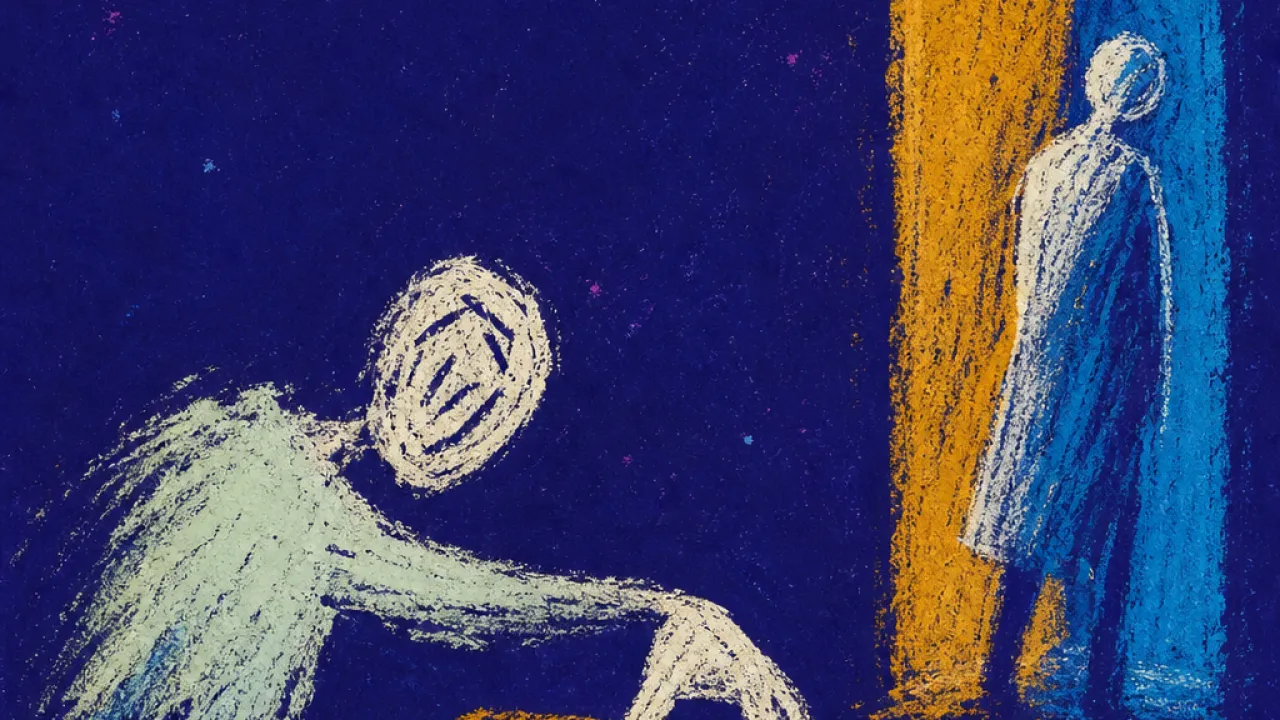
What is this really?
You can find yourself caught in a relationship loop where distance makes you reach faster: sending the extra text, asking for the conversation now, scanning every pause, while sudden closeness can make you go quiet, delay replies, or retreat behind space. Underneath, both moves are trying to lower uncertainty: the reaching looks for reassurance before the silence gets too loud, and the retreating tries to protect a boundary before contact starts to feel like pressure. Yet when closeness and space cannot share the same room, every step toward repair can land as pursuit and every step back can read as rejection, leaving you inside the very distance you were trying to close, much like the Knight of Swords charging forward with the sword already pointed before there is any visual pause between impulse and contact.
Why did it happen?
At some point, moving quickly toward someone may have been how you stopped the waiting from taking over the room, or stepping back may have been how you kept your own edges from getting crowded. Now, the inner pattern can run on autopilot: a late reply tightens your chest and sends you toward contact, while another person's need for space lands like rejection, creating a worn-out feeling before either of you has fully spoken.
How does it feel?
- A message sits on read for twenty minutes, and you unlock your phone, type a second line, delete it, type 'just checking' anyway, then watch the typing bubble like it can steady the room. In that pause, your chest may feel tight, your thumb may hover too fast, and your breathing can get shallow before you notice it. It can simply be noticed before anything has to be decided.
- During a talk, you lean forward, interrupt with 'but can we just fix this?', then soften your voice as soon as the other person looks away. The front of your throat may tighten, your jaw may lock on the last word, and the silence can feel louder than the sentence itself. It is okay for that unfinished feeling to exist without solving it immediately.
- When someone asks where you stand, you glance toward the door, rub the edge of your sleeve, and answer with 'I just need space' while your body angles half away from them. Your shoulders may lift toward your ears, your stomach may harden, and the room can feel smaller than it looked a minute ago. Needing a pause can be allowed without turning it into a verdict on the whole connection.
- In a group chat or work thread, you refresh the page after sending a careful note, add a clarifying follow-up before anyone replies, and reread your own wording with your eyebrows pulled together. Behind the screen, you may feel a prickly heat in your face and a low hum of impatience in your arms, as if stillness has become difficult to hold. Uncertainty can sit on the desk for a while without becoming an emergency.
- After a good night with someone, you sit on the edge of your bed with your shoes still on, replay the goodbye, then either draft a warm text or decide not to answer theirs yet. Your ribs may feel held in place, your hands may feel restless, and the shift from closeness to quiet can land with a sudden hollow drop. Not knowing the next step can remain open for now.
Pursuer Distancer in Tarot Cards
That reflex to close the distance the second silence appears, or to angle half away when contact comes too fast, is the Pursuer Distancer loop in motion. You may know it through the moment your chest feels tight and your thumb hovers too fast over the next message. From a Jungian archetypal theory lens, the push toward contact and the pull toward space can be understood as opposing forces trying to occupy the same room. Below are the Tarot Cards that mirror the unconscious dynamics beneath this loop.
Pursuer Distancer in Tarot Card Reading Insights
For anyone who reaches for repair the second distance appears, then feels the other person move further away, this pattern has shown up in readings around connection and space. Others have sat with these cards while trying to name the same push and pull. Below are Tarot Reading Insights that speak to the Pursuer Distancer loop.
A Vague Reply, a Kept Dinner: Letting the Slow Fade Speak for Itself
Topic:Love Tarot Reading
Struggle:Reciprocity Deficit
She Reopened the Chat Until a 24-Hour Pause Changed the Question
Topic:Love Tarot Reading
Struggle:Reciprocity Deficit
Context:Slow Fade

When One Warm Reply Outweighed Two Silent Days: Tracking Reciprocity
Topic:Love Tarot Reading
Struggle:Clarity-Exposure Split
Context:Emotionally Unavailable Partner
From Double-Texting Panic to Respecting Space: A Repair Practice
Topic:Love Tarot Reading
Struggle:Relational Pacing Collapse

When Privacy Feels Like Rejection: Asking for Connection, Not Access
Topic:Love Tarot Reading
Struggle:Projection-Connection Split
Context:Relationship Privacy Negotiation

From Family Chat Anxiety to One Consent-Based Invitation After a Pause
Topic:Timing Tarot Reading
Struggle:Relational Pacing Collapse
Context:Family Boundary Negotiation
Three Drafted Paragraphs at 10:40 p.m.—And a Pause That Stayed Open
Topic:Timing Tarot Reading
Struggle:Timing Control Strain
Context:Family Boundary Negotiation

Emotionally Unavailable Partners: From Decoding to One Direct Question
Topic:Love Tarot Reading
Struggle:Idealization-Reality Split
Context:Social Clock Pressure

Three Deleted Replies After a Fight, Then a Pause with a Return Time
Topic:Love Tarot Reading
Struggle:Relational Pacing Collapse

A Blank Note Began Replacing the Silent Test With Shared Ownership
Topic:Love Tarot Reading
Struggle:Caretaker Role Lock
Context:Unspoken Expectations Gap