When Care Feels Like Debt
Explore why care can feel like debt, with related tarot cards and tarot reading insights around support, need, and belonging.

Care-liability Fusion
What does this feel like?
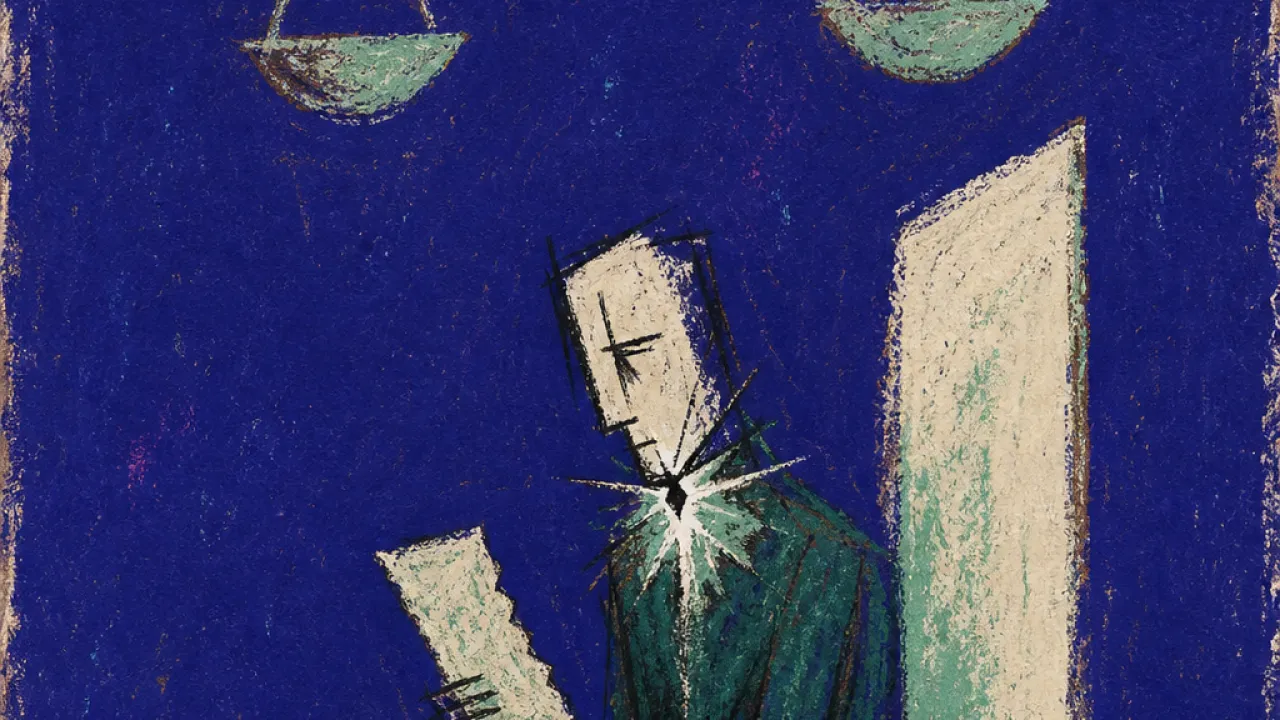
Care-Liability Fusion — you feel it the second someone says, "I've got you," and your body reacts as if you've just been handed a bill you can't read yet. You might smile, say thank you, make a joke, or quickly insist that you're fine, but underneath the polite reflex there is a small internal scramble: how much did that cost them, how do you repay it, did you just become harder to love, will this be remembered later. Care doesn't land as softness first; it lands as exposure. Your chest gets tight in the space between wanting to lean in and needing to prove you are not heavy. You edit your needs before anyone else hears them, turning full sentences into tiny, acceptable fragments: "No pressure," "only if it's easy," "don't worry if not," "seriously, I'm good." You can be generous with other people because giving lets you stay clean, useful, above question, but receiving makes you feel visible in the wrong way, like your need has stepped into the room before you did. The hardest part is that you are not trying to reject love. You may want closeness so much that it aches. You may want someone to notice the strain in your voice and offer anyway. But the moment they do, another part of you starts measuring the future: be easier, be funnier, be more available, don't ask twice, don't make them regret it. Over time, you stop asking for care and start auditioning for permission to receive it, which means even kindness can leave you lonely. The cost is not just exhaustion; it is the slow narrowing of your life into what can be needed by no one, much like the kneeling figures on the Six of Pentacles, close enough to receive what is offered but still held under the quiet shadow of the scales.
What's pulling at you?
You're not uncomfortable with care because you don't want connection; you're uncomfortable because support starts to feel like proof that you now owe something. You get caught between the wish to be held and the need to stay untouchably self-sufficient, so even kindness can feel like a contract you never agreed to sign.
How It Shows Up?
- You get a message that says, "Let me know if you need anything," and instead of feeling held, you start drafting the smallest possible request in your head, then delete it before you send. Your thumb hovers over the screen, your throat tightens, and your shoulders creep up like you're trying to take up less physical space. The offer sits there like an open door you can't walk through without hearing the hinges count the cost. It's okay for a need to exist before you know how to name it cleanly.
- A friend insists on paying for dinner because you've had a rough week, and you smile too quickly, say "No, seriously, I've got it," while your chest goes hot under your shirt. You can feel your face arranging itself into easy gratitude, but your stomach drops at the thought of them remembering this later. The table feels suddenly too bright, like the Six of Pentacles' scales have appeared above the check. You can let the pause be awkward without turning it into a debt ledger.
- You're sick, behind on work, or just stretched thin, and someone offers to cover one task for you. Instead of relief, your mind starts building a repayment plan: take an extra shift, answer faster, be more useful, make yourself easier to keep around. Your jaw locks, your breathing gets shallow, and the help arrives with the weight of the Ten of Wands before you've even accepted it. You don't have to convert every act of care into immediate usefulness.
- You're at a small gathering and people are casually swapping support, rides, advice, chargers, favors, snacks, and you notice how easily everyone else seems to ask. You laugh along, but your hands stay busy around your drink, your shoulders angled slightly away, as if not needing anything is the way to stay welcome in the room. The warmth is right there, but you stand near the edge of it, like the lit window in the Five of Pentacles. You can belong without proving you are low-maintenance.
- At night, after someone has been kind to you, you replay the moment with a strange tightness behind your ribs. You wonder whether your thank-you sounded big enough, whether your face looked grateful enough, whether they noticed you took more than you gave. Your body is tired, but your mind is still balancing invisible numbers, counting tone, timing, effort, and emotional space. It is allowed to receive something without solving the entire balance sheet before sleep.
Care-liability Fusion in Tarot Cards
Care-Liability Fusion lives in the moment when support is offered, but your body reads it as a cost that will eventually be collected. You feel it in the tight throat, the shallow breath, the hot chest, and the instinct to make yourself smaller before anyone changes their mind. From an existential perspective, the structural framework here is about what happens when being cared for feels tied to losing your place, your freedom, or your right to need anything at all. The Tarot Cards below mirror that outline without explaining it away.
Care-liability Fusion in Tarot Card Reading Insights
When care starts to feel like evidence against your place in someone's life, people often bring that exact knot into readings. These Tarot Reading Insights show how that question can surface when someone pulls cards around support, debt, closeness, and staying welcome.

When Pushback Feels Like Rejection: Holding the Original Limit
Topic:Personal Growth Tarot Reading
Struggle:Autonomy Guilt Bind
Context:Direct Communication Trial

Feeling Responsible for Staffing Gaps—And Taking One Next Step
Topic:Choice Tarot Reading
Struggle:Responsibility-Authority Split
Context:Responsibility Without Authority

Why Carry Messages Between Friends? Returning Them to Their Owners
Topic:Friendship Tarot Reading
Struggle:Power-Intimacy Split
Context:Friend Group Triangulation

A Friend's Voice Note Beside Figma—And a Fifteen-Minute Limit
Topic:Friendship Tarot Reading
Struggle:Reciprocity Deficit
Context:Emotional Dumping Friendship

A Tense Meeting, One Named Owner, and the Boundary That Held
Topic:Career Tarot Reading
Struggle:Responsibility-Authority Split
Context:Responsibility Without Authority

Family Boundary Guilt: From Moving Couple Plans to One Hour on Sunday
Topic:Love Tarot Reading
Struggle:Inherited Role Lock
Context:Family Script Pressure

Changing the Therapist-Friend Role: One Honest Limit Stayed Intact
Topic:Friendship Tarot Reading
Struggle:Caretaker Role Lock
Context:Friendship Boundary Creep

A 'Mutual Mistake' Text, Then Leaving the Repair Where It Belongs
Topic:Love Tarot Reading
Struggle:Consequence Lock
Context:Care Reciprocity Test

When Care Feels Like Debt: Learning to Stay in the Warmth
Topic:Love Tarot Reading
Struggle:Nourishment Rejection
Context:Care Reciprocity Test

When 'Home Safe?' Feels Like Surveillance: Checking the Actual Request
Topic:Love Tarot Reading
Struggle:Boundary Rigidity