Will This Opening Hold?
Name the held-breath feeling, then explore related tarot cards and reading insights that mirror conditional hope.

Conditional Hope Anxiety

What does this feel like?
Conditional Hope Anxiety — you can feel the small opening before you can trust it, a thin lift in your chest that immediately turns into a held breath. Your shoulders stay high, your stomach waits for the next signal, and your thumb keeps checking the screen or inbox not because nothing is happening, but because something might be happening, and that almost is what keeps your whole body lit. It makes ordinary minutes feel like standing under a doorway that could close at any second: a message that softens you, a reply that has not arrived, an answer, grade, apology, budget, or yes that would let your body finally loosen. You try to act normal, but part of you is quietly measuring everything — the tone, the delay, the tiny shift, the missing confirmation — and asking whether it is safe to believe yet. The hope is not fake; it is alive, but it feels rented rather than owned, like relief has to renew itself every time another sign comes through. By the end of the day, your chest may feel tight from standing halfway between “this could work” and “don’t count on it,” much like the reversed Six of Pentacles, where coins fall only through a measured hand and the waiting figures must look up at the scales before they can trust what is coming.
Why you're feeling this?
Conditional Hope Anxiety makes sense because hope can feel different when it has to pass through conditions before it reaches you. You are not wrong for staying braced while also wanting to believe; a part of you is making room for possibility without pretending the ground is already steady. That mixed feeling is not a failure of trust, but a careful response to a half-open door.
Conditional Hope Anxiety in Tarot Cards
That held breath in your chest is the signature of Conditional Hope Anxiety: hope is present, but your body is still waiting for the opening to feel stable. This is a universal emotional experience, the strain of standing between possibility and proof without forcing either one to disappear. The cards below do not turn it into simple optimism or simple fear; they mirror the measured, suspended shape of it. Here are the Tarot Cards that tend to show up around Conditional Hope Anxiety.
Conditional Hope Anxiety in Tarot Card Reading Insights
When Conditional Hope Anxiety enters a reading, the small signs can carry the same weight your body already feels: the reply, the answer, the timing, the next visible piece. Others have brought that half-open hope into their cards too, shifting from the card list into readings where uncertainty and possibility sit side by side. Browse the Tarot Reading Insights connected to Conditional Hope Anxiety.

Three Vacancies Behind Gmail: From Interview Silence to Applying
Topic:Timing Tarot Reading
Struggle:Cycle-Action Desynchronization
Context:Strategic Pause Window

The 8:47 p.m. Temp Audition Became Three Conversion Questions
Topic:Career Tarot Reading
Struggle:Responsibility-Authority Split
Context:Responsibility Without Authority
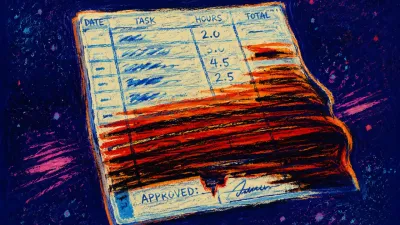
From Overworking for a Permanent Offer to Sustainable Scope
Topic:Timing Tarot Reading
Struggle:Forced Blooming Trap
Context:Always On Availability

The Sixth Draft: Letting Present Evidence Lead a Low-Contact Choice
Topic:Family Tarot Reading
Struggle:Permission Paralysis
Context:Always On Availability

A Contract-to-Hire Promise Stalled the Search; Both Paths Reopened
Topic:Timing Tarot Reading
Struggle:Sunk Cost Paralysis
Context:Sunk Cost Exit Dilemma

Positive Reviews, Vague Promotion Rules: Turning Praise Into Evidence
Topic:Career Tarot Reading
Struggle:Merit-Politics Split
Context:Promotion Criteria Black Box

One Warm Text, Three Drafts, Then One Present-Tense Question
Topic:Love Tarot Reading
Struggle:Capacity Misalignment
Context:Bad Timing Loop

Taking Saturday Off Standby After Months in Situationship Limbo
Topic:Love Tarot Reading
Struggle:Relational Boundary Drift
Context:Sunk Cost Exit Dilemma

Ignoring Red Flags After One Good Text, Then Trusting the Record
Topic:Choice Tarot Reading
Struggle:Potential Overidentification
Context:Sunk Cost Exit Dilemma

Doing Next-Level Work Without a Promotion: Building an Evidence Ledger
Topic:Career Tarot Reading
Struggle:Scarcity Compass Lock
Context:Promotion Criteria Black Box