Why Does Money Feel Like a Verdict?

Explore Moralized Money Anxiety, the Tarot Cards that mirror its guarded weight, and Tarot Card Reading Insights from related readings.

Moralized Money Anxiety
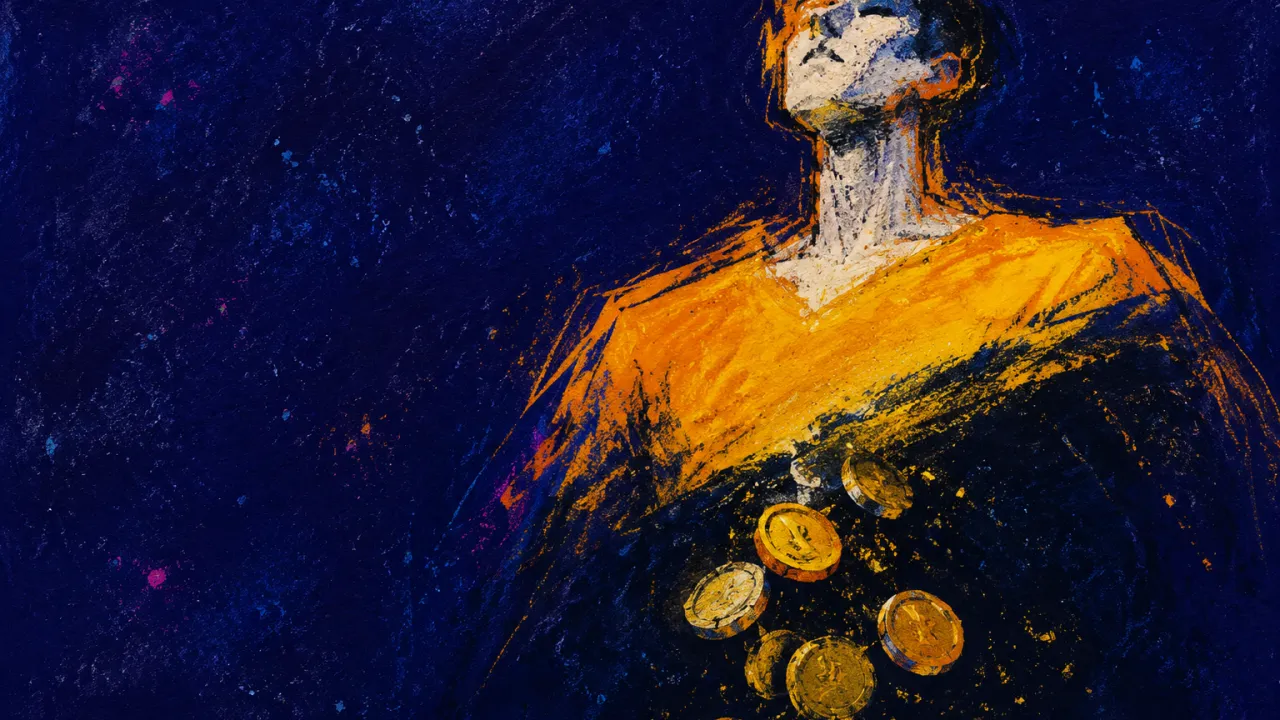
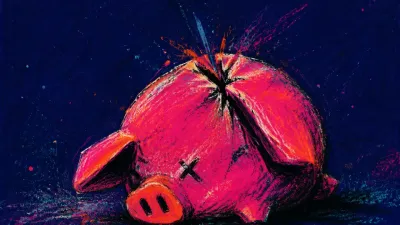
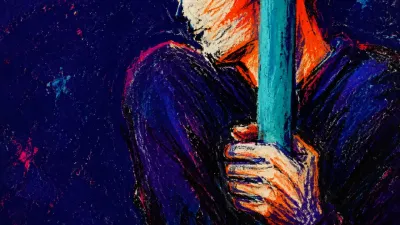
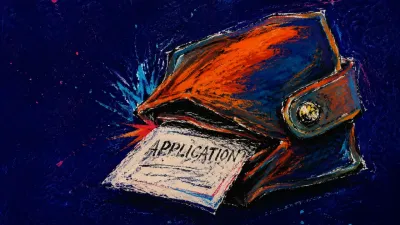
A solitary figure with raised shoulders and settled coins in deep negative space, warm amber drifting into cool blue.

What does this feel like?

Moralized Money Anxiety - you feel it in the small pause before opening your banking app, in the tightness across your chest when a purchase is more than the bare minimum, and in the way your shoulders stay slightly raised even after the decision is made. Money starts to feel less like a tool and more like a test of who you are: whether you are disciplined enough, generous enough, deserving enough, or somehow asking for too much. You may refresh your balance, replay a receipt, compare your spending with someone else's, then hear an inner voice turning every want into a question of character. A coffee can feel like evidence; a raise can bring relief and unease at once; saving can feel responsible until it becomes impossible to enjoy what you have. The anxiety is not only about numbers moving up or down, but about the quiet fear that one wrong choice will say something permanent about you. You carry the calculation into ordinary moments, feeling heavy, watchful, and unable to let a purchase simply be a purchase, much like the figure in the Four of Pentacles, sitting rigidly with coins held close, keeping security within reach but never quite relaxing.

Why you're feeling this?

It makes sense that money choices can feel loaded with meaning, and that each one can land in your chest before you have found the words for it. You are not wrong for feeling that weight; it can be present without becoming a verdict on your character.

Moralized Money Anxiety in Tarot Cards

That tightness across your chest before a purchase, and the way your shoulders stay raised afterward, are part of how Moralized Money Anxiety can feel. It belongs to a universal emotional experience: the feeling of carrying money choices as if they say something about you. The Tarot Cards below mirror that guarded, watchful outline without turning it into a verdict.

The Hierophant
Reversed
An enthroned teacher raises a formal hand above two followers while crossed keys and stone pillars establish institutional authority. In reversal, the inherited rulebook remains psychologically powerful even as its logic becomes harder to trust, producing conflict rather than simple freedom from convention. You may spend differently from your parents and still hear their standards translating comfort into indulgence, debt into failure, or financial independence into virtue. The reversed teaching structure reveals that the anxiety is partly a dispute over who has authority to define responsible use of money. It names the gap between inherited certainty and present conditions, making room to see a family rule as a learned framework rather than an unquestionable measure of character.
Justice
Reversed
The scales in one hand and raised sword in the other place measurement beside judgement, all within a rigidly symmetrical scene. In reversal, that structure stops functioning as a fair assessment and becomes an internal tribunal where the standard moves with the fear. You may collect evidence about a purchase, compare yourself with others, and still feel guilty because the real question has shifted from whether the choice works to whether you are a good person. The reversed scales make the distortion visible without dismissing the practical decision. They reveal how financial facts can be weighed on one side while inherited rules, shame, and imagined scrutiny are added invisibly to the other, producing a verdict that no receipt alone could justify.
The Devil
Upright
The chained figures mirror each other beneath a pedestal where material power, appetite, and fear are given a single controlling form. The image shows a bottom-level belief system in which security requires self-denial and desire threatens moral integrity. You may attempt to grow through tighter control, yet each new restriction can reinforce the belief that your wants are inherently dangerous. The upright chains make the organising rule visible and therefore available for conscious recognition. They reveal that the developmental task is not simply becoming better at restraint, but seeing how fear and shame have been recruited to define what a responsible person is allowed to want.
Judgement
Reversed
An angel's trumpet reaches figures emerging from enclosed coffins, presenting recognition as movement beyond a former state. In reversal, that movement is interrupted by fear of self-verdict, so inherited beliefs about money remain in place even after they stop fitting your actual life. You may understand intellectually that comfort is not a moral failure while still feeling ashamed when practice departs from the old rule. The reversed call reveals the gap between cognitive insight and embodied permission. It names a growth process stalled by the belief that revising a financial standard would invalidate past sacrifice or expose a less disciplined self, allowing that resistance to be seen as part of the transition rather than proof that the old verdict is true.
Two of Pentacles
Reversed
Two pentacles circle inside an infinity loop while the juggler keeps moving and ships pitch on high waves behind him. The scene captures a material system that requires constant adjustment, but reversal turns that adaptive rhythm into a loop with no psychologically acceptable stopping point. You may keep recalculating routine expenses because every fluctuation feels like evidence that you have failed to be disciplined enough. The unstable loop separates practical budgeting from the moral pressure layered over it. Your anxiety becomes legible as the cost of demanding perfect consistency from a life whose prices, needs, and energy are always moving; the card holds the possibility that changing numbers do not have to produce a changing verdict on your character.
Four of Pentacles
Upright
A coin rests at the figure's crown, another is pressed over his chest, and two more immobilise his feet. The placement maps a complete internal holding pattern: money occupies thought, protects vulnerability, and limits movement. You may recognise the same pattern in compulsive balance checks, bodily bracing, or the inability to let a completed purchase leave your psychological field. The upright posture contains the anxiety tightly enough for its structure to be witnessed. It shows that the grip is serving a protective function while also revealing its cost, allowing fear of instability to be separated from the harsher belief that relaxing would make you irresponsible.
Five of Pentacles
Upright
Two figures cross a cold street beneath a lit window marked by five pentacles, physically close to an institution yet emotionally and materially outside it. The image captures how tuition, books, unpaid study time, or financial aid can turn access to knowledge into a question of who deserves to remain. You may struggle to absorb material because part of your attention is auditing the cost and judging your need for support. The upright scene validates the real pressure of limited resources while refusing to collapse that pressure into a personal verdict. It shows that studying under financial strain carries an environmental burden, which is different from lacking seriousness, intelligence, or commitment.
Six of Pentacles
Reversed
A central giver controls both the scales and the release of coins while the recipients remain below his hand. In reversal, family support can carry invisible conditions about gratitude, obedience, lifestyle, or future repayment, even when the money is genuinely needed. You may feel ashamed accepting help because the transfer seems to confirm a lower position or surrender part of your autonomy. The reversed scene makes the power structure inside financial care visible. It separates the practical fact of receiving resources from the inherited moral story that dependence makes someone less adult, less disciplined, or less entitled to set boundaries.
Seven of Pentacles
Reversed
A worker leans on his tool and studies seven pentacles growing on a vine, suspended between effort already invested and results not yet available. In reversal, the evaluative pause loses its natural endpoint, so every moment can look financially premature and every use of resources can feel undisciplined. You may keep postponing comfort because the threshold for being secure enough moves whenever you approach it. The reversed harvest scene distinguishes patient timing from moralised delay. It reveals how waiting can become a way of preserving a responsible self-image even when no external cycle can provide the absolute permission the inner audit demands.
Nine of Pentacles
Reversed
A solitary figure stands in a cultivated vineyard surrounded by pentacles, displaying the material results of sustained effort. In reversal, achievement remains visible while the permission to own or enjoy it breaks down. You may receive a raise or reach a career milestone and immediately question whether you earned it, whether wanting more makes you greedy, or whether the new income must now be guarded perfectly. The reversed garden exposes the gap between external compensation and internal deservingness. It reveals why success can produce relief and unease at once: the material gain arrives, but the moral standard expands before satisfaction can settle.
Ten of Pentacles
Reversed
An elder, a couple, a child, and dogs gather beneath an arch while ten pentacles cover the multigenerational scene. In reversal, the apparent continuity of wealth and family order fractures into competing rules about inheritance, status, duty, and the correct use of resources. You may experience your own spending as if the whole family system were reviewing whether you honour sacrifice or threaten security. The reversed household reveals why one purchase can feel much older and larger than the moment itself. It names the accumulated weight of generational expectations, allowing a present financial choice to be distinguished from the legacy it has been asked to represent.
Nine of Swords
Upright
Nine swords line the dark wall above a person sitting upright in bed with their face covered. The body has left the transaction, but the mind keeps reconstructing it, turning a receipt, account balance, or unnecessary coffee into material for a private prosecution. You may replay what you spent long after the practical decision is over because the feared outcome is not merely losing money, but discovering that the purchase exposed something bad about you. The upright night scene contains the worry within a visible mental chamber, making the difference between an expense and its afterlife easier to witness. The swords show how repeated thoughts can multiply the emotional cost without changing the number on the receipt, allowing the moral verdict to be recognised as an added layer rather than a financial fact.

Moralized Money Anxiety in Tarot Card Reading Insights

Other readers have brought Moralized Money Anxiety into readings too, carrying that same weight into the cards. Here are Tarot Reading Insights from those sessions.
Psychological Emtions Related to Moralized Money Anxiety