Who Owns This Code?

Explore the pressure around unclear code ownership, related Tarot cards, and reading insights from similar engineering situations.

Code Ownership Negotiation
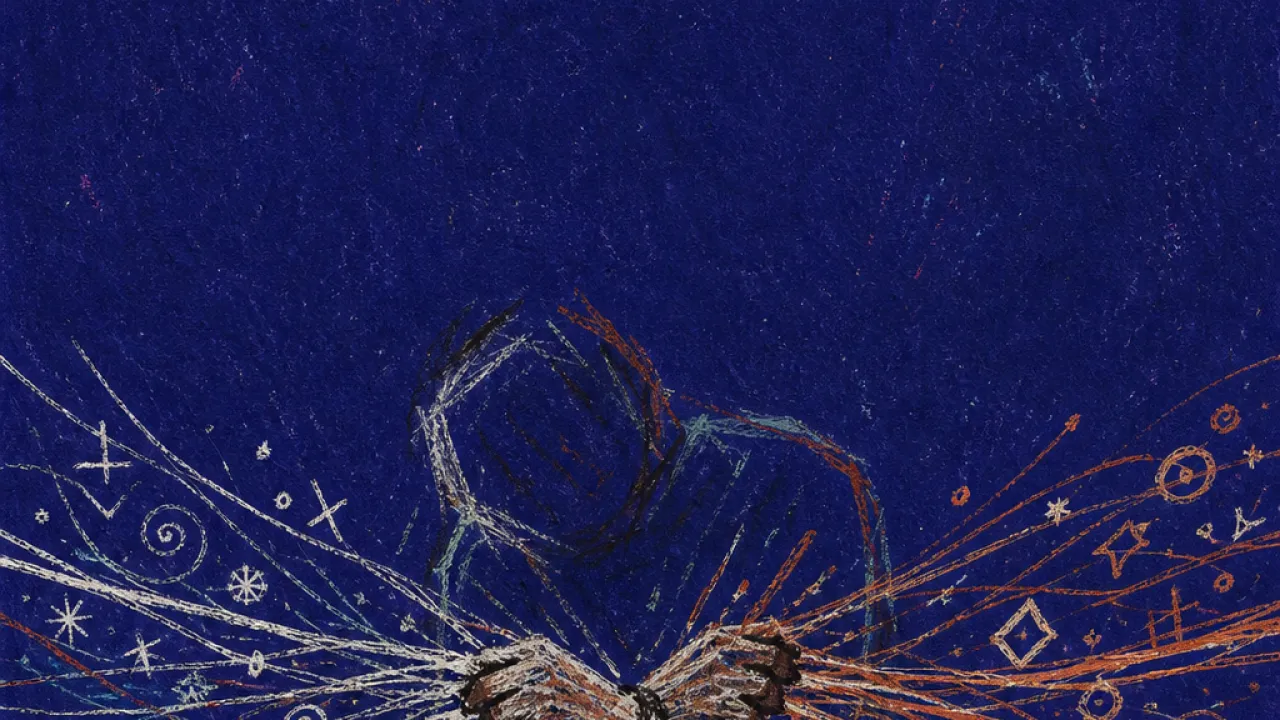
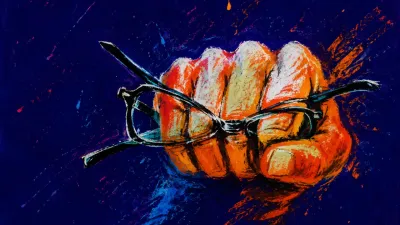
A solitary figure over glowing code strands as crossing hands pull lines sideways, leaving sharp marks in deep indigo space

What is this situation?

Code Ownership Negotiation — you open the repo to change one small thing, and the work immediately becomes bigger than the ticket. A reviewer asks why you touched that file, someone else says their team depends on it, an older comment points to a decision no one documented, and suddenly your pull request is not just about code quality but about who is allowed to move what. In standup, the conversation sounds practical: ownership boundaries, release risk, maintainability, accountability. Underneath, the room is sorting territory without saying the word territory. Senior engineers hold context that was never written down, product pressure keeps the deadline moving closer, and you are expected to ask permission without slowing the sprint, defend your reasoning without sounding defensive, and take responsibility for code you may not be allowed to change freely. Each review thread adds another layer: a suggested refactor, a blocked merge, a reminder that "this area is sensitive," a request to loop in someone who has not replied. By the end of the day, the actual work is mixed with negotiation, reputation management, and invisible boundary mapping, much like the Five of Wands, where several figures raise their staffs at once and no single person can move cleanly through the crossing lines.

Why it's not you?

This is not just you being difficult, territorial, or too cautious. Code Ownership Negotiation becomes draining when the team has unclear authority, undocumented history, and overlapping responsibility but still expects clean accountability. The friction belongs to the system around the repo, not to your character.

Code Ownership Negotiation in Tarot Cards

Code Ownership Negotiation turns everyday engineering work into a room where every commit, review comment, and handoff carries a question of who gets control and who gets blamed. The knot in your stomach when a pull request becomes a territory dispute is not separate from the environment; it is part of an environmental, structural dynamic built into how the team assigns authority without naming it. The cards below do not decide who is right or wrong. These Tarot Cards reflect the visible shape of code being claimed, defended, revised, and carried across uneven lines of responsibility.

The Emperor
Reversed
An armoured ruler sits on a rigid stone throne marked with ram heads, with barren mountains enclosing the background. Reversed, the architecture of authority becomes inflexible and personalised: control rests with a senior figure or entrenched team, while the repository lacks a governance route that can operate independently of their approval. The unavailable resource is stable, impersonal structure. You may encounter ownership as a command relationship rather than a documented stewardship model, making technical disagreement feel like a challenge to rank and leaving the sprint dependent on whether the authority holder chooses to engage.
The Hierophant
Reversed
An institutional figure sits between pillars above crossed keys while two acolytes receive the authorised teaching. Reversed, the formal transmission system loses credibility, closely matching a repository where real ownership rules live in senior memory, old comments, and private precedent rather than in documentation available to every contributor. The blocked resource is dependable institutional knowledge. You are still expected to comply with the team's inherited conventions, but access to those conventions depends on finding the right person, asking the acceptable question, and interpreting lore that can be invoked after your implementation is already under review.
Justice
Reversed
A seated authority holds scales in one hand and an upright sword in the other between two formal pillars. Reversed, the instruments of balanced judgment no longer align, reflecting a workplace where you can be assigned responsibility for delivery and release risk without receiving equivalent control over the code or the criteria used to judge your change. The blocked resource is procedural fairness: review standards shift, ownership claims outrank written process, and accountability lands where decision authority does not. You may be expected to justify every edit while senior context holders remain free to veto, delay, or redirect the work without carrying the same visible obligation to resolve it.
The Hanged Man
Reversed
A figure hangs from a living wooden frame with one leg fixed and a halo around the head, physically suspended while remaining fully conscious of the surrounding structure. Reversed, the pause loses its productive exchange and becomes procedural stalling: the pull request waits for an owner, the owner waits for more context, and the release clock continues without a recognised decision point. The unavailable resource is a meaningful endpoint to waiting. You can be required to remain responsive and accountable while people with approval power do not reply, turning patience into an indefinite holding pattern rather than a deliberate review interval that produces clearer ownership or better code.
Three of Pentacles
Reversed
Three figures meet beneath a stone arch while one contributor stands beside the work and the others hold what appears to be a plan. Reversed, the workshop's formal signs of collaboration no longer guarantee shared understanding: expertise, requirements, and approval authority occupy the same project without forming a coherent operating agreement. The inverted structure deprives you of the resource the scene should normally provide, namely a common blueprint and recognised division of responsibility. You can be evaluated as the craftsperson responsible for the implementation while reviewers retain fragmented plans, undocumented context, and the power to redefine the work after it has begun.
Four of Pentacles
Upright
A seated figure grips one pentacle to the chest, fixes another beneath a crown, and pins two more underfoot while the wider city remains at a distance. The physical arrangement turns a shared resource into personally controlled territory, closely matching a repository area whose nominal organisational ownership has condensed around one team or senior engineer. Upright, the holder and the perimeter are visible, so the constraint can at least be named and audited rather than guessed at indefinitely. You encounter a conservative ownership system where changes are possible only after the controlling party's risk threshold, historical claim, and conditions for access have entered the review conversation.
Six of Pentacles
Reversed
A standing figure controls the distribution of coins while holding scales above two kneeling recipients. Reversed, access and approval become discretionary favours rather than resources distributed through a transparent role system, mirroring shared code that can be changed only after securing personal permission from its informal custodians. The imbalance leaves you dependent on gatekeepers who can grant review attention, historical context, or merge approval without sharing equivalent delivery exposure. You may be asked to demonstrate ownership of the outcome while approaching the actual means of ownership from a structurally subordinate position.
Two of Swords
Upright
A blindfolded figure holds two swords in a balanced cross while rocky water and a crescent moon sit behind the controlled posture. The image reflects a decision held between competing routes: continue through the ownership dispute, reduce the change, or hand the work back, without enough historical context to know which option carries the least hidden risk. Upright, the crossed position preserves a bounded pause rather than forcing a premature move under social pressure. You can recognise that the apparent choice is not only technical; each path allocates accountability, control, and reputational exposure differently while the missing ownership information remains unresolved.
Five of Swords
Upright
A central figure gathers swords while two others walk away beneath a harsh, unsettled sky. The scene shows a conflict producing a visible winner but damaging the shared field, much like a review where securing territorial control becomes more important than producing maintainable code or preserving working relationships. Upright, the adversarial pattern is exposed rather than disguised as neutral process, making its professional cost available for inspection. You can experience technically framed comments as reputation moves, forced concessions, or attempts to establish who outranks whom, even when the eventual merge leaves the underlying ownership problem unresolved.
Eight of Swords
Upright
A blindfolded and loosely bound figure stands inside a partial enclosure of swords, with wet ground underfoot and a distant stronghold behind. The arrangement mirrors work constrained by rules you cannot fully see: ownership history is inaccessible, approval boundaries are implied rather than documented, and every available movement appears capable of triggering another objection. Upright, the enclosure is restrictive but incomplete, and the bindings do not erase all agency. You may not control the repository's governance, yet the visible gaps distinguish actual prohibitions from assumptions, inherited warnings, and reviewer preferences that have acquired the force of rules without formal authority.
King of Swords
Reversed
A crowned figure holds an upright sword from a high stone seat while wind moves through the trees and clouds behind him. Reversed, intellectual authority hardens into unilateral judgment, reflecting a reviewer whose expertise can block the pull request without exposing stable criteria, shared evidence, or a route to resolution. The deprived resource is accountable technical adjudication. You may receive decisive objections from someone with recognised credibility while lacking the ability to test whether those objections represent current architecture, personal preference, or an ownership claim protected by senior status.
Five of Wands
Upright
Five figures lift their staffs into the same crowded space, creating crossing lines without a central referee or an agreed formation. The image closely mirrors a repository where several engineers or teams can challenge a change, yet no single authority can state the final boundary between shared code, protected territory, and individual responsibility. The upright contest keeps the disagreement visible and participatory rather than burying it in silent resistance. You can see which objections concern release risk, which protect undocumented history, and which function as status claims, allowing the expanded review to be understood as an authority negotiation rather than a simple failure to write acceptable code.
Seven of Wands
Upright
One figure stands on higher ground with a staff held across the body while six staffs rise from below, each presenting another line of challenge. The uneven position resembles a pull request in which you must defend one coherent implementation against comments arriving from several stakeholders with different assumptions about ownership, risk, and maintainability. Upright, the figure retains footing, visibility, and the ability to answer rather than being removed from the field. You may be under disproportionate scrutiny, but your reasoning remains present in the record, allowing the review to expose whether each objection is a concrete technical constraint or an unsupported claim to authority.
Eight of Wands
Reversed
Eight staffs travel in parallel through open air toward the same distant landscape, forming an image of rapid, coordinated transmission. Reversed, that clean route is interrupted: review comments multiply, messages are redirected to additional owners, and the change fails to reach its release destination despite constant communication. The blocked resource is coordinated momentum rather than effort. You may answer quickly and keep the pull request active, yet each new dependency resets the response cycle, making the release window vulnerable to routing friction created by unclear ownership and absent communication authority.
Ten of Wands
Upright
A bent figure carries ten staffs in one bundle, with the load blocking his view even though the town remains ahead. The image captures a small implementation task accumulating review coordination, legacy investigation, stakeholder reassurance, release risk, and future maintenance responsibility until the original ticket is difficult to see. Upright, the burden is concrete and the destination is still present, so the expansion of work can be recognised as a scope and ownership fact rather than absorbed as invisible personal effort. You are carrying not just code but the unresolved governance labor that the repository's nominal owners have left distributed across comments, meetings, and unanswered requests.

Code Ownership Negotiation in Tarot Card Reading Insights

When Code Ownership Negotiation follows you from pull requests into standups, other people have brought that same repo-level tension into readings. The shift here is from the card images to the way this situation appears when someone sits with it directly. Tarot Reading Insights from sessions involving code control, review pressure, and unclear ownership lines.
Psychological Contexts Related to Code Ownership Negotiation