What If Every Choice Feels Performative?
Explore why self-expression turns into constant self-checking, with related cards and reading insights from others caught in the same bind.

Authenticity Purity Lock
What does this feel like?
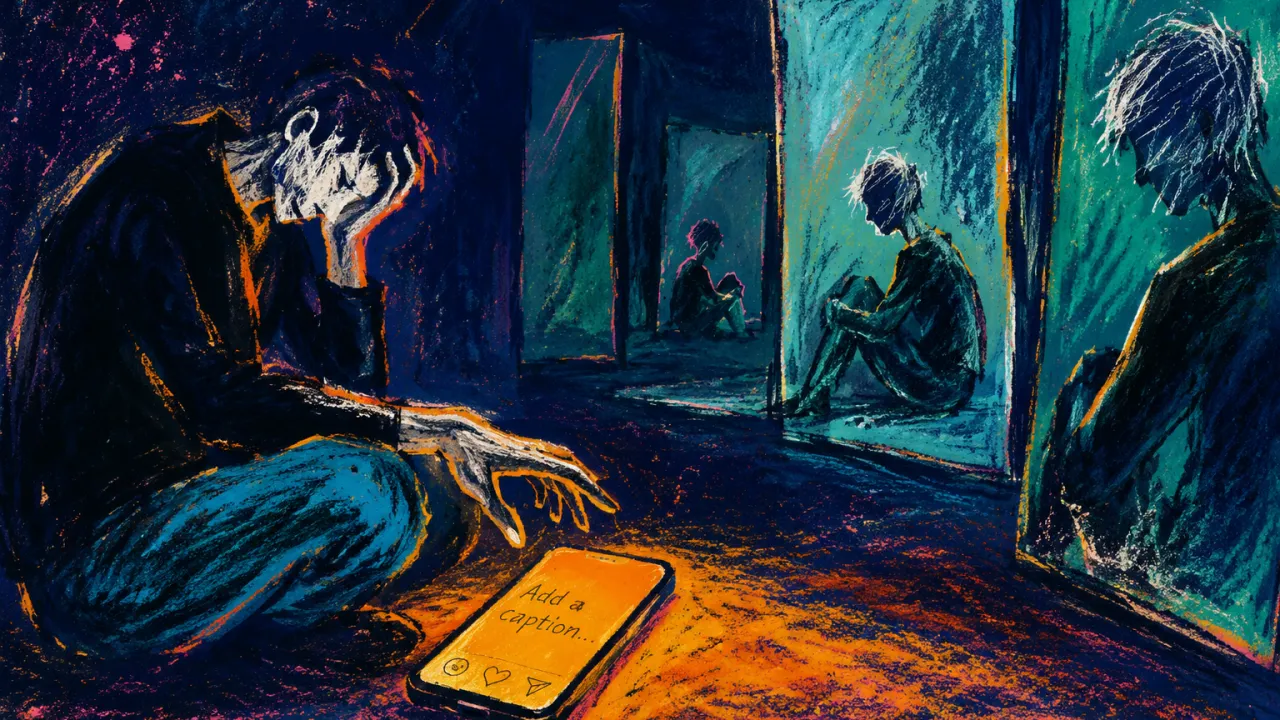
Authenticity Purity Lock begins when you type a message, reread it, delete the sentence that sounds too polished, then delete the replacement because trying to sound casual feels even more calculated. Your thumb hangs over Send while your shoulders inch upward and pressure gathers behind your eyes. The question is no longer simply, Do I mean this? It becomes, Would I still say this if no one were watching? You ask it about clothes, playlists, career moves, opinions, even the joke you almost make at dinner. If someone likes your choice, relief arrives for half a second, followed by suspicion: did you choose it for them? If they dislike it, you wonder whether changing course would mean abandoning yourself. You can spend twenty minutes choosing a caption and then post nothing, because spontaneity now has to survive an inspection before it is allowed to exist. At work or school, you hold back an idea that might help because presenting it confidently feels like turning yourself into a brand; later, your jaw aches from keeping quiet. Around friends, you hear your own laugh and immediately check whether it came naturally. Alone, the checking does not stop. You replay conversations, stripping each word for hidden motives, as though there must be one untouched version of you beneath every influence, expectation, trend, and compromise. But every answer becomes suspect the moment you notice yourself answering. Even growth can feel contaminated: if a new interest came through another person, can it still belong to you? If you adapt to a room, were you ever yourself in it? The cost is that your life starts waiting for a purity no human choice can prove. You become careful enough to avoid being false, but too careful to be fully present; moments pass while you stand outside them, checking whether your participation counts. What you are protecting is your right to belong to yourself, yet that protection can leave you with no room to move, much like the figure on the Two of Swords, blindfolded at the water's edge, holding two swords crossed so no imperfect choice can enter.
What's pulling at you?
You want your choices to come from you, not from an audience, a trend, or the need to fit in. But the harder you check whether an impulse is completely untouched by influence, the less freely you can act, because adapting feels false while refusing to adapt can make your life stand still. You are caught between protecting what feels yours and allowing yourself to be changed by living.
How It Shows Up?
- You are alone on the couch with a photo ready to post, but the caption sounds too earnest, then too detached, then suspiciously effortless. Your thumb hovers above the screen while your shoulders creep upward and the muscles around your eyes tighten from rereading the same twelve words. You save it as a draft, open it again, and wonder whether posting or withholding would be the more performed choice. The post can remain in drafts without becoming a verdict on who you are.
- A friend sends you a song, and you enjoy the first chorus until you remember that the recommendation came from them. The pleasure narrows into a question: do you like the music, or do you like being the person they expected to like it? Your chest tightens slightly, and your hand goes still over the replay button as if another listen might commit you to an answer. Liking something can remain a small fact without proving where it began.
- In a meeting or class, someone asks for ideas and you already have one, but the confident version of your voice sounds like self-promotion before you have even spoken. You lower your volume, add three qualifiers, or let the moment pass while your palm stays flat against the desk and your shoulders hold perfectly still. Speaking and withholding remain crossed in front of you with the fixed pause of the Two of Swords. A measured answer can be useful without defining your whole self.
- At dinner or drinks, everyone laughs and you laugh too, then immediately hear yourself from the outside: Was that spontaneous, or were you matching the room? Your jaw sets, your next breath turns shallow, and you become careful with your face and voice while the conversation continues around you. The more closely you monitor each response, the farther away the evening seems. Noticing the laugh can be enough; it does not need to pass a purity test.
- At 1:17 AM, you scroll through an old conversation and revisit a decision you made months ago, looking for the exact moment your own preference became mixed with someone else's expectations. The phone glows like a small lantern, but it keeps lighting the same question while your eyes ache and a dull weight settles across your chest. Each rereading produces another possible motive rather than a final answer. The question can remain open until morning; uncertainty does not require a midnight verdict.
Authenticity Purity Lock in Tarot Cards
Authenticity Purity Lock appears when protecting what feels personally yours turns every choice into a test of whether you are performing. It can show up as shoulders lifting over an unsent post, an aching jaw after a group laugh, or a palm held flat against a desk while you stay silent. Through an existential lens, its structural framework is the pull between belonging to yourself and allowing ordinary influence, adaptation, and change. The Tarot Cards below reflect the visible contours of that bind.
Authenticity Purity Lock in Tarot Card Reading Insights
When Authenticity Purity Lock turns each choice into a test, others have carried the same question into readings: Was this mine, or was I performing? The Tarot Reading Insights below gather what surfaced in those sessions.
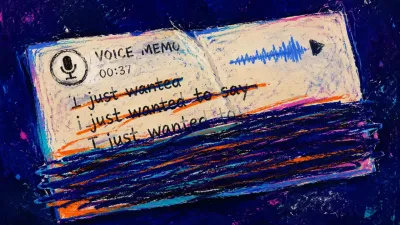
When Code-Switching Becomes Performance: Keeping Meaning Audible
Topic:Introspection Tarot Reading
Struggle:Belonging-Authenticity Split
Context:Unspoken Social Rules

Writing the Hidden Sentence: From Final-Button Dread to Ownership
Topic:Choice Tarot Reading
Struggle:Prestige-Fit Split
Context:Values Alignment Crossroads
Voice Caught on Google Meet: How One Boundary Interrupted the Script
Topic:Introspection Tarot Reading
Struggle:Wholeness Performance Trap
Context:Personal Brand Performance

Ten Uncorrected Minutes: From Old Shame to a Values-Based Choice
Topic:Introspection Tarot Reading
Struggle:Inner Tribunal Lock
Context:Toxic Positivity Culture

One Honest Note Became Detachment, Then Desire Became Information
Topic:Introspection Tarot Reading
Struggle:Value-Desire Split
Context:Toxic Positivity Culture

Saturday Review Tabs Gave Way to a Thirty-Minute Ceramics Trial
Topic:Introspection Tarot Reading
Struggle:Observer-Self Split
Context:Insight Integration Window