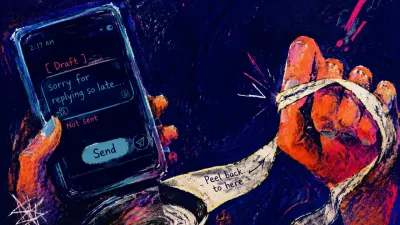
Why Must Time Prove Itself?
A clear look at this work-time pressure, the tarot cards that mirror it, and readings shaped by the same question.

Timesheet Narrative Defense
What does this feel like?
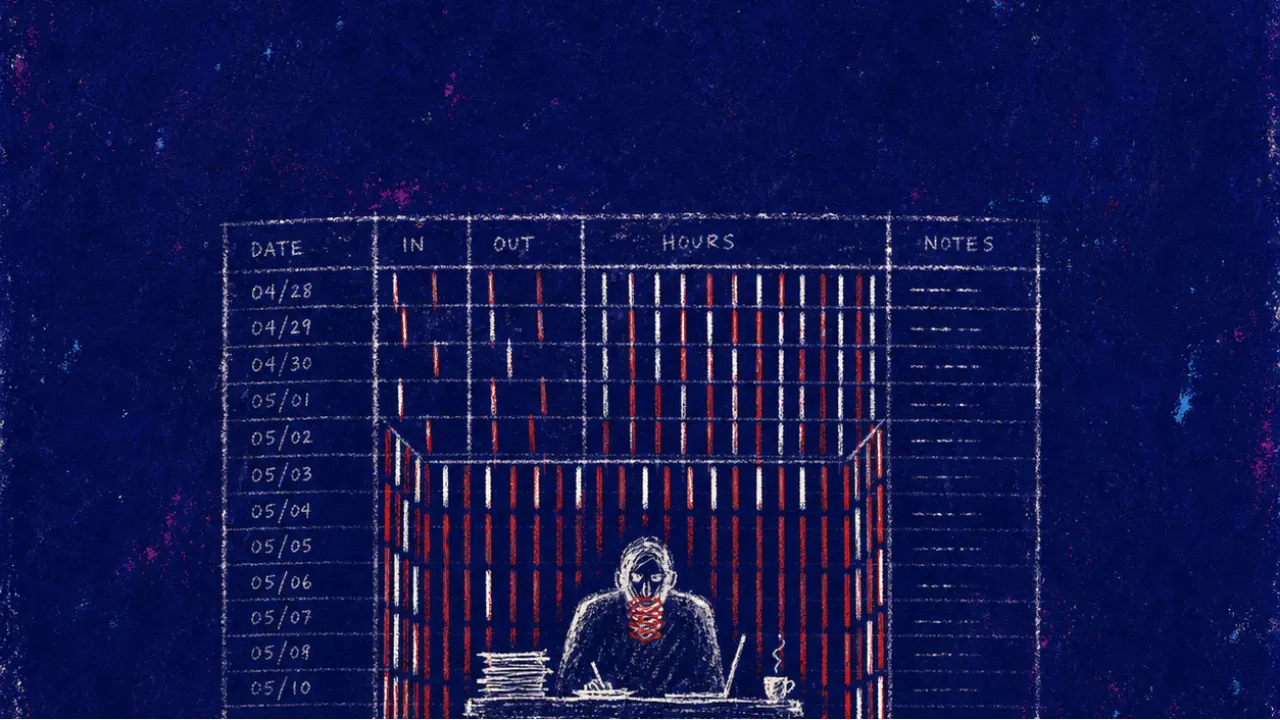
Timesheet Narrative Defense — you open the timesheet at the end of the day and suddenly the whole day feels less like something you lived and more like something you have to prove. The cursor blinks in an empty field while you try to turn scattered work into a clean sentence: the Slack replies, the waiting, the thinking, the five-minute fix that took forty minutes because the first three attempts failed, the meeting where you listened hard but said very little. Your body knows you were working, but the box wants a version of work that sounds crisp, measurable, hard to question. You start editing yourself before anyone else has said a word. You avoid words like 'checked,' 'reviewed,' or 'followed up' because they feel too soft, so you inflate them, polish them, make them look more solid, then feel weirdly exposed for doing that too. The day becomes a courtroom where your own memory is on the stand, and every ordinary pause starts looking suspicious: the ten minutes staring at a screen while you tried to understand the problem, the gap between messages, the time spent switching from one task to another because no one explained what counted. You are not just filling in hours; you are defending your right to have taken up time. What drains you is not the admin itself, but the quiet conversion of your attention into evidence, until even rest starts to feel like a missing receipt. By the time you hit submit, the entry may be accepted, but something in you is still braced, much like the figure on the Eight of Swords, surrounded by blades of possible judgment, blindfolded inside a trap made less of walls than of what might be questioned.
What's pulling at you?
You're stuck between the work as it happened and the version of it that sounds clean enough to survive review. One part of you wants to be accurate, while another part is trying to protect you from being seen as vague, slow, or hard to justify. The trap is that the more you defend your time, the less your own day feels like it belongs to you.
How It Shows Up?
- You finish a normal workday and open your timesheet at 5:47 PM, then your mind goes blank in front of the empty boxes. You remember answering messages, fixing a small issue, switching tabs, waiting for feedback, but none of it looks solid enough when you try to name it. Your shoulders creep up, your throat tightens, and the cursor blinks like it is asking for a cleaner version of your day than the one you lived. You can enter one plain line and let it be enough for now.
- A manager sends a quick Slack message asking what you were working on this afternoon, and your stomach drops before you've even opened it. You reread your own calendar, screenshots, tabs, and notes, trying to build a neat trail from the messy pile of small decisions you made. Your jaw locks as if you are already being questioned, even though the message may just be routine. It is allowed to answer the question in ordinary language without turning the whole afternoon into evidence.
- You're in a project meeting and someone casually says, 'Can we log that properly?' and your body reacts before your face does. You nod, smile, and keep your voice steady, but under the table your fingers press into your palm while your brain starts sorting every task into categories that will sound acceptable later. The room keeps moving, but you feel like the figure on the Two of Pentacles, balancing moving pieces while the waves behind you keep rising. You can take notes without solving the whole record in your head right there.
- A friend asks how work was, and you almost say, 'Fine,' but what comes out is a tiny audit of your own day: meetings, follow-ups, blockers, admin, messages, everything arranged so it sounds like enough. Halfway through, you hear yourself presenting instead of talking, and your chest gets tight because even off the clock you are still defending the clock. You do not have to make your day sound useful before someone is allowed to hear you.
- At night, your laptop is closed but your body has not clocked out. You lie in bed replaying the day in fifteen-minute chunks, trying to remember whether the time you spent thinking, waiting, rereading, or making a tiny call counts as work. There is a pressure behind your eyes and a small pinch at the center of your chest, like The Eight of Swords' blindfold has moved inward and become a private checklist. You can let an unfinished explanation stay unfinished until morning.
Timesheet Narrative Defense in Tarot Cards
Timesheet Narrative Defense lives in the gap between doing the work and making the work sound clean enough to be accepted. You can feel it in the tight throat, locked jaw, and chest pressure that shows up before a simple time entry. From an existential perspective, the structural framework here is about what happens when your day has to become proof before it feels like it belongs to you. The Tarot Cards below make that pressure visible without turning it into a verdict.
Timesheet Narrative Defense in Tarot Card Reading Insights
When every hour has to be translated into a defensible line, other people bring the same pressure into readings around work, worth, and being seen accurately. These Tarot Reading Insights show how that kind of time-pressure can surface when someone asks the cards for clarity.

Full-Time Scope in 32 Hours: Hidden Overtime to One Trade-Off
Topic:Career Tarot Reading
Struggle:Responsibility-Authority Split
Context:Work Life Boundary Creep

PTO Guilt Before Friday: Moving From Proof Load to Proportion
Topic:Choice Tarot Reading
Struggle:Inner Tribunal Lock
Context:Productivity Theater