When Your Ideas Stop Feeling Yours
Explore the lived shape of Idea Ownership Erosion through related tarot cards and tarot reading insights from shared creative tension.

Idea Ownership Erosion
What does this feel like?
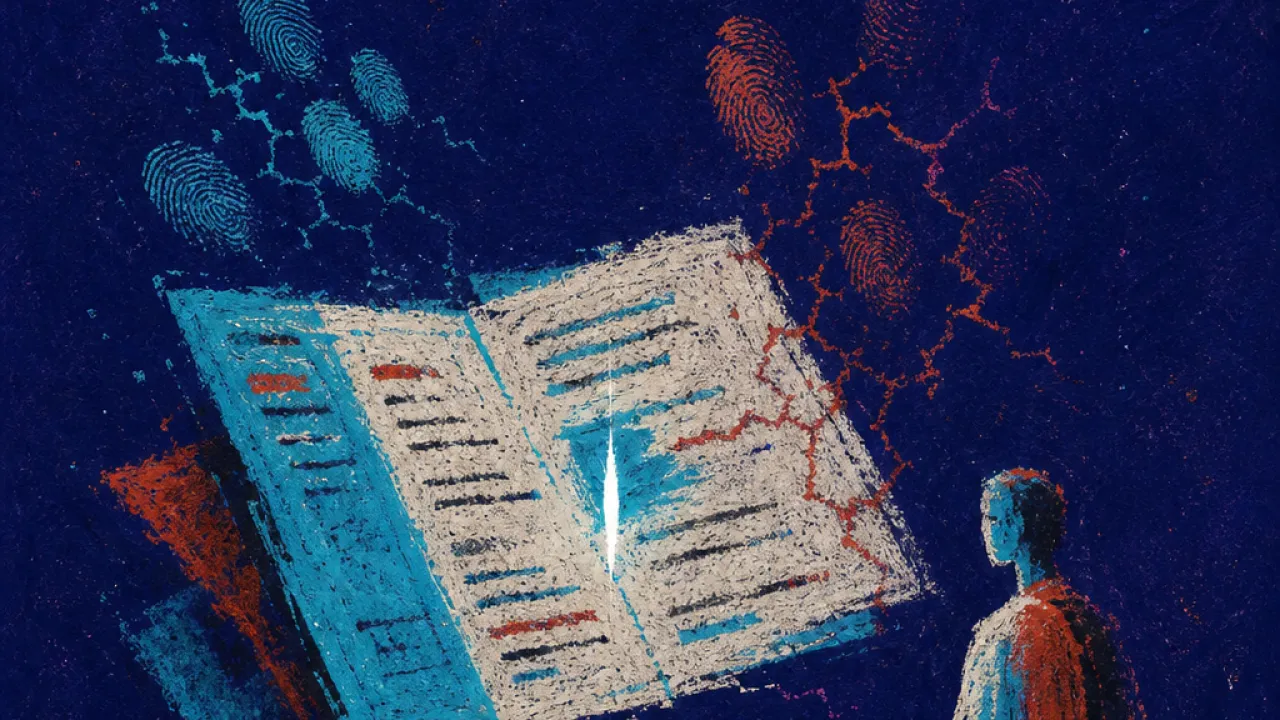
Idea Ownership Erosion is the quiet disorientation of watching something that began inside you drift into the room, get repeated, renamed, cleaned up, and handed back as if it never had your fingerprints on it. It can start in a meeting, a group project, a creative chat, a shared doc, or a late-night text where you say one sharp thing too casually, and everyone moves on, except your body doesn't. Your throat tightens a little. Your thumb hovers over the screen. You feel yourself smiling at the person who just echoed your point, because making a scene would cost more than staying still, and yet staying still costs something too. You start keeping receipts in your head, not because you want to be petty, but because your own memory has become the only place where the first spark is still intact. Then the next time an idea comes up, you hesitate. You sand the edges off before you speak. You say 'maybe this is nothing' before saying something that took you weeks to understand. You tell yourself collaboration means letting things breathe, and part of you believes that, but another part is watching the air leave your own chest. The hardest part is that the idea may be doing exactly what ideas are supposed to do — traveling, changing, gathering shape — while you are left wondering why its movement feels like your disappearance. Over time, you do not only lose credit; you lose the ease of thinking out loud. You begin treating your own mind like a room with valuables in it, checking the lock before you let anyone in, much like the Seven of Swords, where a figure walks away carrying blades that still hold the shape of the place they were taken from, leaving you staring at what remains and trying to name what is missing.
What's pulling at you?
You're caught between wanting your ideas to be useful beyond you and needing to feel that your voice still matters inside what they become. The stuck point is not whether sharing is good or bad; it is the repeated moment where openness starts to feel like self-erasure, and protection starts to feel like isolation.
How It Shows Up?
- You share a rough thought in a team chat, just a loose sentence with a half-formed angle, and later you hear it repeated in a cleaner voice with someone else's name attached to it. Your face stays neutral, but your throat tightens and your hands go still over the keyboard, like touching the idea now might leave fingerprints no one can see. You can let yourself notice the pause before deciding whether the moment needs a response.
- You're in a seminar, studio critique, or brainstorm, and you start editing yourself mid-sentence because you can already imagine the room polishing your words into something that no longer sounds like you. Your shoulders lift slightly, your breath gets smaller, and the thought you were excited about starts folding back into your chest. It is allowed to keep an unfinished idea close until you know where it can land.
- A friend says, 'We should totally do that thing you mentioned,' and the word 'we' lands heavier than it should, because you remember the first spark, the note in your phone, the late-night voice memo. You smile because you don't want to make it awkward, but your jaw locks and a small heat rises behind your eyes, like a little torch being cupped against wind. You don't have to explain the whole history of an idea to feel that it has a history.
- At your desk, you open an old doc and see comments, edits, renamed sections, and someone else's framing layered over your original shape until you have to scroll back through version history to find yourself. Your chest feels compressed, your stomach drops, and the cursor blinks like The Hermit's lantern at the edge of a dark hallway, asking where the first line went. It is reasonable to want a clean record without turning the moment into a fight.
- Late at night, you stop writing down the thing you were excited about because the second it becomes shareable, it also becomes movable. Your thumb hovers over the notes app, then locks the screen instead, and the unspoken idea sits behind your ribs with a sharp little puncture of pressure. You can choose privacy for now without making your work smaller.
Idea Ownership Erosion in Tarot Cards
Idea Ownership Erosion lives in the gap between wanting your ideas to move through the world and wanting your voice to stay attached to them. You can feel it in the throat tightening over a team chat, the chest compression over an old doc, and the small puncture behind the ribs when you decide not to write something down. From an existential perspective, the structural framework is about what happens when recognition, collaboration, and self-trust stop fitting neatly together. The Tarot Cards below make that outline visible without smoothing it over.
Idea Ownership Erosion in Tarot Card Reading Insights
When Idea Ownership Erosion turns every shared thought into a question of credit, other people bring that same tension into readings too. The shift from cards to readings shows how this struggle appears when someone asks what still belongs to them after their words have been absorbed elsewhere. Tarot Reading Insights for this pattern are gathered below.

From Approval Limbo to Visible Authorship: A Reversible Next Step
Topic:Timing Tarot Reading
Struggle:Threshold Disorientation
Context:Strategic Timing Window

Asking What Friday Depends On: From Private Revisions to Shared Scope
Topic:Timing Tarot Reading
Struggle:Unseen Cost Bind
Context:Unspoken Expectations Gap
One Name Moved Down a Launch Caption—Then Credit Split from Support
Topic:Social Tarot Reading
Struggle:Value-Action Split
Context:Direct Communication Trial