Still Yours, Or Not?
Explore the feeling of losing authorship over shared work, with related tarot cards and tarot reading insights.

Code Ownership Erosion
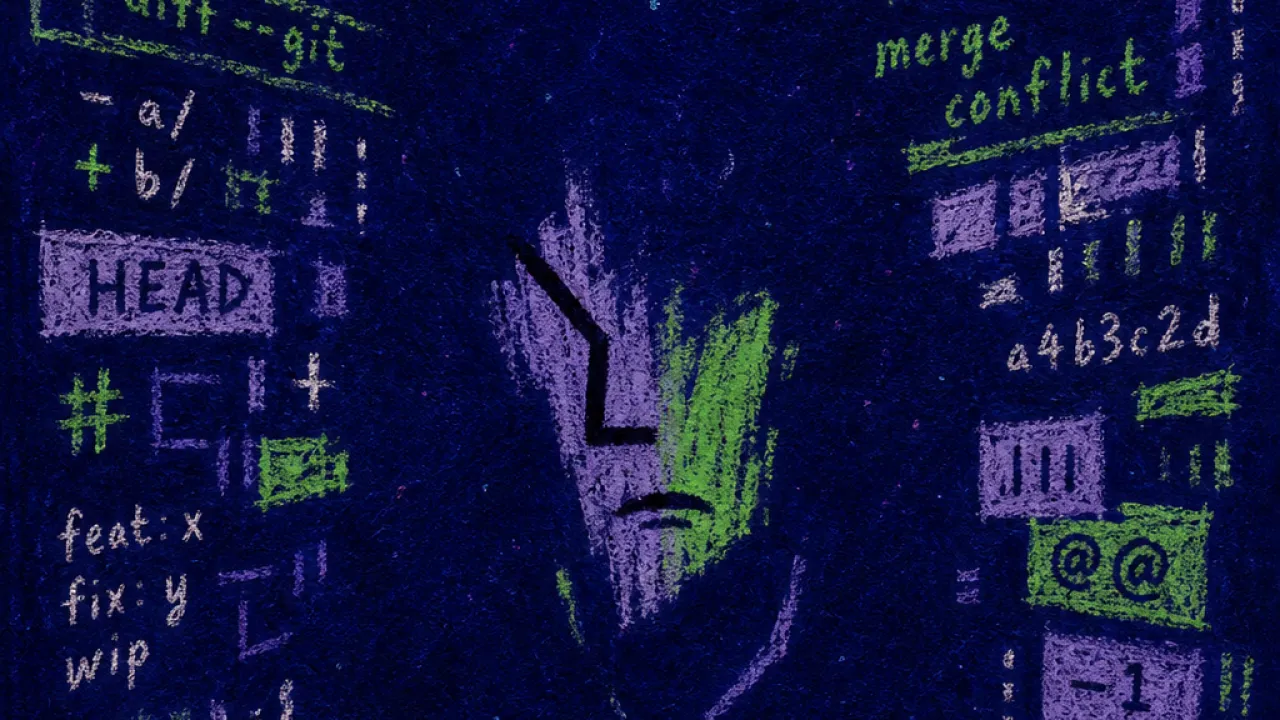
What does this feel like?
Code Ownership Erosion — you open the repository and feel a tiny pause in your chest before your fingers touch the keyboard, because the files still carry traces of your thinking, but they no longer feel fully yours. A function you named has been moved twice, a comment you wrote has been trimmed into something flatter, a decision you remember defending is now treated like a random artifact from “the old architecture,” and you sit there with your hand on the trackpad trying to decide whether to explain, adapt, or stop caring. You are not angry in any clean, dramatic way. It is subtler than that: a slow loss of contact with work you once held closely, until every review thread, every rewrite, every “quick cleanup,” every ownership question makes you feel like you are being asked to be accountable for a room whose walls keep shifting. Part of you wants to protect the logic, the history, the hard-won tradeoffs that do not fit inside a ticket description; another part knows code has to move, teams have to change, and clinging too tightly can turn you into the person everyone works around. So you become careful. You stop saying “my code” out loud. You soften your comments. You let changes pass because fighting for context feels embarrassingly personal, even when the context is real. And over time, the cost is not just that the codebase changes; it is that your sense of authorship gets rubbed down until your own work starts looking back at you like someone else’s handwriting, much like the figure on the Seven of Pentacles, leaning on a tool and staring at what has grown from their labor, close enough to recognize it and far enough away to wonder what still belongs to them.
What's pulling at you?
You are caught between caring deeply about the shape and history of the work, and knowing that shared code can never stay untouched. The tension is that responsibility still lands on you, while authorship keeps getting diluted by review threads, rewrites, and shifting ownership lines. That leaves you trying to stay invested without becoming territorial, and trying to let go without going numb.
How It Shows Up?
- You open a pull request for a part of the codebase you used to know by muscle memory, and the review fills with comments from people who joined after the system was already in motion. Your shoulders creep toward your ears as you scan each line, not because the comments are wrong, but because your hands remember why the code looks that way and the thread has no room for that memory. You type a calm reply, delete the sentence that starts with “I built this because,” and leave only the safest explanation. You can let the cursor blink for a minute before answering; not every piece of context has to be defended on demand.
- You see a Slack message asking “who owns this?” and your stomach tightens before you even click into the thread. The weird part is that you do know, or you used to, but the answer has been split across tickets, migrations, temporary fixes, and people who “just touched one small thing.” Your chest feels slightly compressed, like the room has narrowed around your laptop, and you notice your jaw holding the shape of a sentence you are not going to send. It is reasonable to pause before stepping into a responsibility that has been blurred by too many hands.
- You are in stand-up, saying your update in the cleanest possible way: blocker, next step, expected ship date. Underneath it, you are watching a feature you cared about become a column of status labels, and your voice sounds flatter than you meant it to. Your fingers tap the edge of your mug while everyone moves on, and there is a small sting behind your eyes, the same quiet weight as the Seven of Pentacles figure looking at a crop and wondering what the labor has become. You do not have to translate every private investment into meeting language.
- You stay late to trace a bug through files that still carry your old naming choices, old comments, old shortcuts from a week when everyone was moving fast. The glow of the editor makes your eyes ache, and your breathing gets shallow as each commit shows another small overwrite, another “temporary” decision that outlived the sprint. It feels like finding your handwriting under layers of fresh paint, still there but harder to claim. You can close the laptop before the whole history is clean in your head.
- At lunch or after a meetup, someone says “it’s just code, don’t get precious,” and you laugh because that is the socially acceptable response. Your throat tightens anyway, because you are not trying to own every line like property; you are trying to keep a thread of responsibility from dissolving into noise. You hold your face neutral, nod, and feel the conversation slide past the part that matters. It is okay for a craft wound to be quiet; it still counts as information.
Code Ownership Erosion in Tarot Cards
Code Ownership Erosion lives in that narrow place where you still care about the work, but the work no longer feels fully reachable by your hands. You can feel it in the tightened jaw during review, the compressed chest when someone asks who owns the system, and the late-night ache of reading overwritten commits. From an existential perspective, this structural framework is about what happens when responsibility remains attached to you while authorship keeps dissolving. The Tarot Cards below make that outline visible without turning it into a verdict.
Code Ownership Erosion in Tarot Card Reading Insights
When Code Ownership Erosion shows up, people often bring the same question into readings: how do you stay connected to work that no longer feels like yours? The shift from cards to readings is where that question becomes more specific. Tarot Reading Insights from sessions where craft, responsibility, and blurred authorship were on the table.
From Impatient Rewrites to One Question and a Mentee's Revision
Topic:Career Tarot Reading
Struggle:Urgency-Compass Fusion
Context:Mentorship Trial

After Her Boss Rewrote Every PR, She Authored the Final Revision
Topic:Career Tarot Reading
Struggle:Feedback Disconnection
Context:Upward Management Trial
A Green PR at 11:47 p.m.: From Founder Rewrites to Shared Ownership
Topic:Career Tarot Reading
Struggle:Control Lock
Context:Founder Mode Overreach

When a Teammate Claimed the Code, Frozen Silence Became One Sentence
Topic:Career Tarot Reading
Struggle:Clarity-Exposure Split
Context:Collaboration Credit Imbalance

Three PR Paragraphs Became "Got It": Keeping One Trade-Off Visible
Topic:Career Tarot Reading
Struggle:Responsibility-Authority Split
Context:Responsibility Without Authority

Missing Context Triggered Withdrawal; A Draft PR Kept Work Visible
Topic:Career Tarot Reading
Struggle:Responsibility-Authority Split
Context:Information Gatekeeping

Code-Review Micromanagement: Asking for the Rule Before Rewriting
Topic:Career Tarot Reading
Struggle:Feedback Disconnection
Context:Upward Management Trial