A grounded look at repeated password requests, related tarot cards, and reading insights around shared access boundaries.
Streaming Password Boundary Pressure
What is this situation?
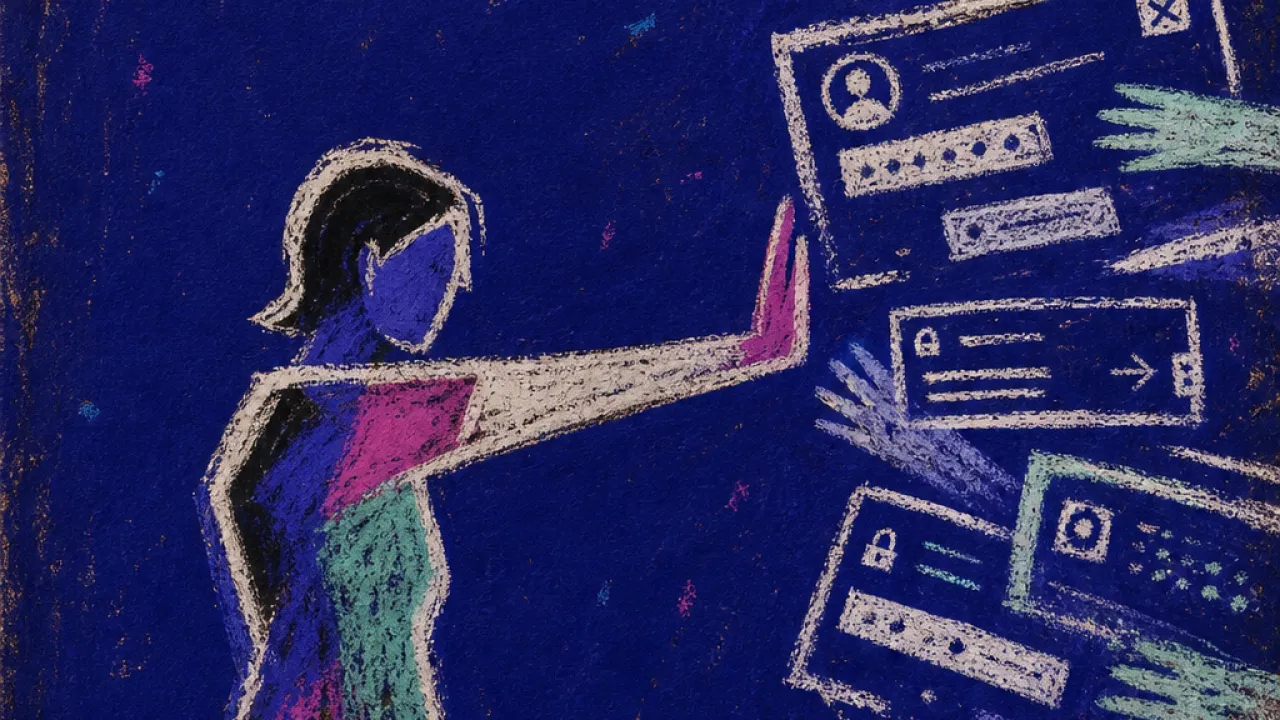
Streaming Password Boundary Pressure — you first notice it when a text pops up while you're doing something else: "Hey, what's the Netflix code?" or "Can you log me back in?" At first it seems minor, just a password, just a six-digit verification message, just one more device added to an account you pay for every month. Then the pattern starts to spread. A friend who used it once keeps asking again. An ex still has a profile sitting there like they never left. A roommate says they'll send money later, then forgets. Someone gets locked out because the platform changed its rules, and suddenly you are the person expected to fix it, explain it, or absorb the awkwardness of saying no. The app sends security alerts, your inbox fills with sign-in codes, and the group chat turns a personal boundary into a public negotiation. You start editing your replies before sending them, trying to sound casual while making it clear that access is not automatic. The pressure is small enough that other people treat it like no big deal, but frequent enough that it keeps pulling your attention back to who pays, who asks, who assumes, and who gets to be annoyed when the answer changes, much like the figure on the Seven of Wands, standing on uneven ground while several staffs push up toward the line they are trying to hold.
Why it's not you?
The issue is not that you're being difficult about a password; the issue is that other people's convenience has been placed on top of your account, your payment, and your time. Repeated code requests, unpaid sharing, lingering profiles, and public group-chat pressure are not neutral little asks when they keep making you responsible for access. This is a boundary being treated like a favor that never expires.
Streaming Password Boundary Pressure in Tarot Cards
That shoulder-tightening moment when another code request lands is part of Streaming Password Boundary Pressure, where a small login becomes a repeated test of access, payment, and personal limits. This is an environmental and structural dynamic: the platforms create friction, the group chat turns it into social pressure, and you get placed at the gate. The cards below do not tell you who deserves access; they reflect the shape of standing there while requests keep coming. Here are the Tarot Cards that tend to mirror this kind of boundary pressure.
The visible scales measure exchange while the sword establishes a boundary that can be stated without ambiguity. In a friendship sharing arrangement, those symbols expose the mismatch between reliable access for friends and unreliable payment, troubleshooting, or respect for device limits. The upright throne gives the situation a stable frame: friendship warmth and account accountability do not have to be treated as opposites. You can see how resentment grows when the agreement remains socially informal but its costs recur with the precision of a monthly bill.
The scales, visible coins, and unequal postures make the terms of giving the central fact of the image. Reversed, that structure mirrors friends who repeatedly receive streaming access, promise to contribute later, or return for new codes without sharing the account's ongoing financial and administrative burden. The failure is located in the exchange system rather than in your willingness to be generous. Access remains technically possible, but mutuality is obstructed because the friendship has no working measure for contribution, expiry, or responsibility when platform rules force another login.
A blindfolded figure holds two crossed swords while seated between a rocky shoreline and open water, physically suspending movement between competing directions. The streaming account decision can produce the same stalemate: preserve social ease by sending another code, or change access and accept the immediate awkwardness that makes the underlying boundary visible. The swords remain in the figure's hands and the seat is stable, so the pause preserves agency rather than showing that choice has been taken away. You can recognise that indecision is being maintained by incomplete or conflicting criteria, especially when friendship, cost, privacy, and account security are all being treated as though they carry identical weight.
Crossing staffs and differently dressed figures create a scene of peers competing without an agreed procedure. In a friend group, that visual structure matches several people treating access as negotiable among themselves even though the subscription, password, and security responsibility belong to one friend. The upright commotion brings the friendship dynamics into view: humour can conceal pressure, multiple requests can create a pile-on, and each person's small claim can crowd out the account holder's actual limit. You can recognise that the conflict is not proof of personal hostility; it is what emerges when informal sharing grows without shared terms.
The figure's single raised wand meets a row of staffs coming from unseen people below, capturing the experience of one friend having to answer multiple familiar voices. A favour that began as occasional access has become a friendship expectation, and you are placed in the role of defending any change to terms that were never clearly made permanent. The card's upright stance keeps agency visible: the account holder still has the means to define access, and the friendship can be viewed separately from the credential. The pressure reveals a role imbalance in which friends retain the easy role of asking while you carry the harder roles of paying, monitoring, explaining, and disappointing.
Eight parallel staffs move through the air without pause, creating the visual equivalent of a burst of texts from several devices or people. In a social network, streaming access pressure gains force through speed: one lockout becomes a group-chat topic, requests multiply, and your private account setting is treated as a live collective problem. The clear sky means communication remains available rather than blocked, but the open channel does not establish fair access terms by itself. You can see that rapid contact amplifies the group's convenience while compressing the time available for the account holder to assess payment, trust, device limits, and privacy.
The bandaged guard looks back across a standing row of staffs while keeping one staff close, embodying readiness shaped by repeated pressure. Within friendship, that scene mirrors the anticipation created when familiar people repeatedly ask for another verification code, another exception, or another extension of access. The fence is already present, so the upright card recognises that a workable limit exists and can remain visible. The strain comes from being required to patrol it: you may edit every reply for warmth because the friendship system has made you responsible for both protecting the account and protecting everyone else's feelings about the protection.
A single carrier holds every staff while the people who might benefit from the load are absent from the road. Within friendship, that concentration resembles being made the permanent streaming administrator: friends can use the service casually, but you must handle the codes, billing, device limits, and awkward explanations when access changes. The upright movement shows that you possess enough capacity to keep helping, which is precisely why the role can become entrenched. The card reveals how demonstrated reliability gets converted into an open-ended friendship obligation when no limit or shared maintenance role is recognised.
No cards available for this filter.
Streaming Password Boundary Pressure in Tarot Card Reading Insights
Streaming Password Boundary Pressure often shows up in readings when people bring in the awkward mix of shared access, unpaid use, and repeated requests. The shift from cards to readings lets you see how this same pressure can appear in different layouts. Explore these Tarot Reading Insights from sessions shaped by similar boundary questions.