From Portal-Refresh Anxiety to One Click and a Support Plan
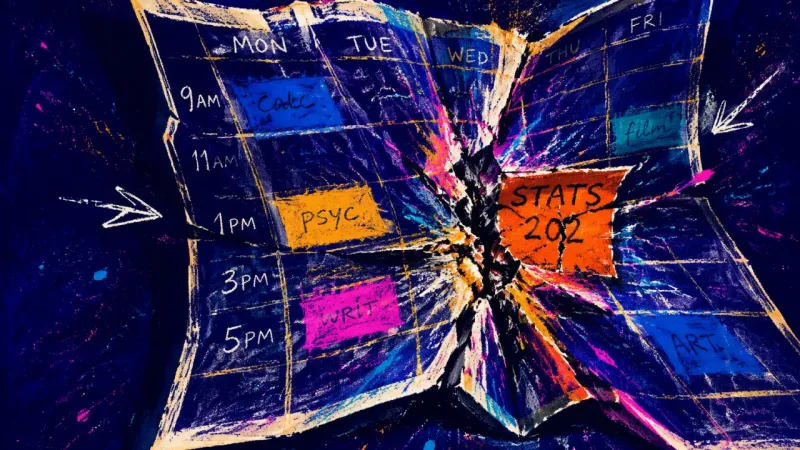
Finding Clarity in the 10:26 p.m. Submit Button
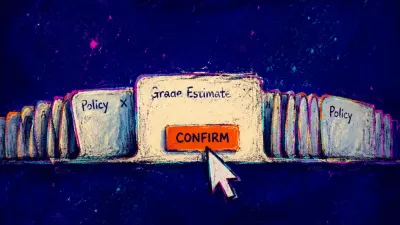
If you’ve reopened your add/drop portal so many times tonight it feels like muscle memory, and you still can’t click submit because impostor syndrome makes it feel like a character test.
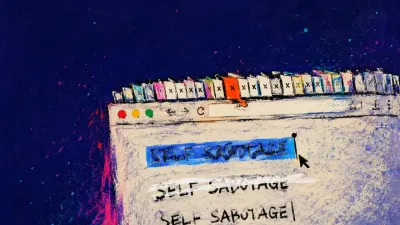
Jordan said that to me like it was a confession, but their screen told the story first: the registration portal glowing too bright in a dark Toronto bedroom, a Notes app pros/cons list split-screen, three tabs of syllabus PDFs and RateMyProfessor, and a Reddit thread doing the thing Reddit threads do—convincing you every outcome is inevitable.
“It’s 10:26,” they whispered, like the time itself had teeth. Their laptop balanced on their knees, radiator clicking in the background, the faint smell of leftover instant noodles hanging in the air. Their phone buzzed again—Discord group chat, probably—yet they didn’t open it. They just hovered over Submit, pulled their thumb back, and flipped to the syllabus one more time.
I watched their hands. Restless. Trackpad tapping like they were trying to scrub uncertainty off the screen. Their chest looked tight enough to turn breath into shallow sips. Anxiety doesn’t always announce itself as panic; sometimes it’s a body that won’t settle long enough to choose.
“I’m stuck between staying in this class because… I should be able to handle it,” Jordan said, voice flat in that way people get when they’re trying not to cry, “and dropping it because if I struggle, everyone will know I faked my way here.”
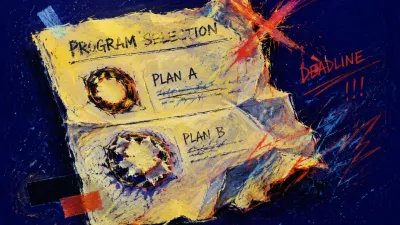
There it was—the engine of tonight: wanting to make a confident add/drop choice vs fearing you’ll be exposed as “not good enough” if you choose wrong. The deadline wasn’t just a deadline; it had turned into a mirror they were terrified to look into.
“I’m going to say this gently,” I told them, leaning closer to my webcam like you can lean warmth through a screen. “You’re not indecisive—you’re trying to make certainty out of a situation that only offers ‘good enough.’ Let’s try to turn this into a map. Not a prophecy. A map to clarity you can use tonight.”

Choosing the Compass: The Decision Cross · Context Edition
I asked Jordan to put both feet on the floor, just for twenty seconds. Not as a ritual with candles and mystery—more like the way you pause a chaotic browser session and finally close the tab that’s autoplaying sound.
“One slow exhale,” I said, and I shuffled while they stared at the portal like it might blink first.
For this kind of deadline-driven course decision paralysis—especially when impostor syndrome is running the show—I use a spread that’s built for two concrete options and the inner psychology behind the panic: Decision Cross · Context Edition.
For anyone reading who’s wondered how tarot works in a practical moment like this: I’m not asking the cards to pick your class for you. I’m using them as a structured mirror. Under stress, our minds repeat the same loops—comparison, catastrophizing, perfectionism—until everything feels equally dangerous. A spread gives that loop a beginning, a middle, and a place to land. That’s why it’s so useful when you’re stuck refreshing a portal at 11 p.m.
This cross has five positions. The center shows what you’re standing in right now—your stuck point in action. The left and right show the two paths (keep/add vs drop/switch), with their growth and tradeoffs. The card above points to what you’re not seeing—the distortion feeding the pressure. And the card below gives the most grounded next step you can take tonight, no matter which option you choose.
We read it like the decision is being pressed from above and stabilized from below—like a compass finding true north while the weather is loud.
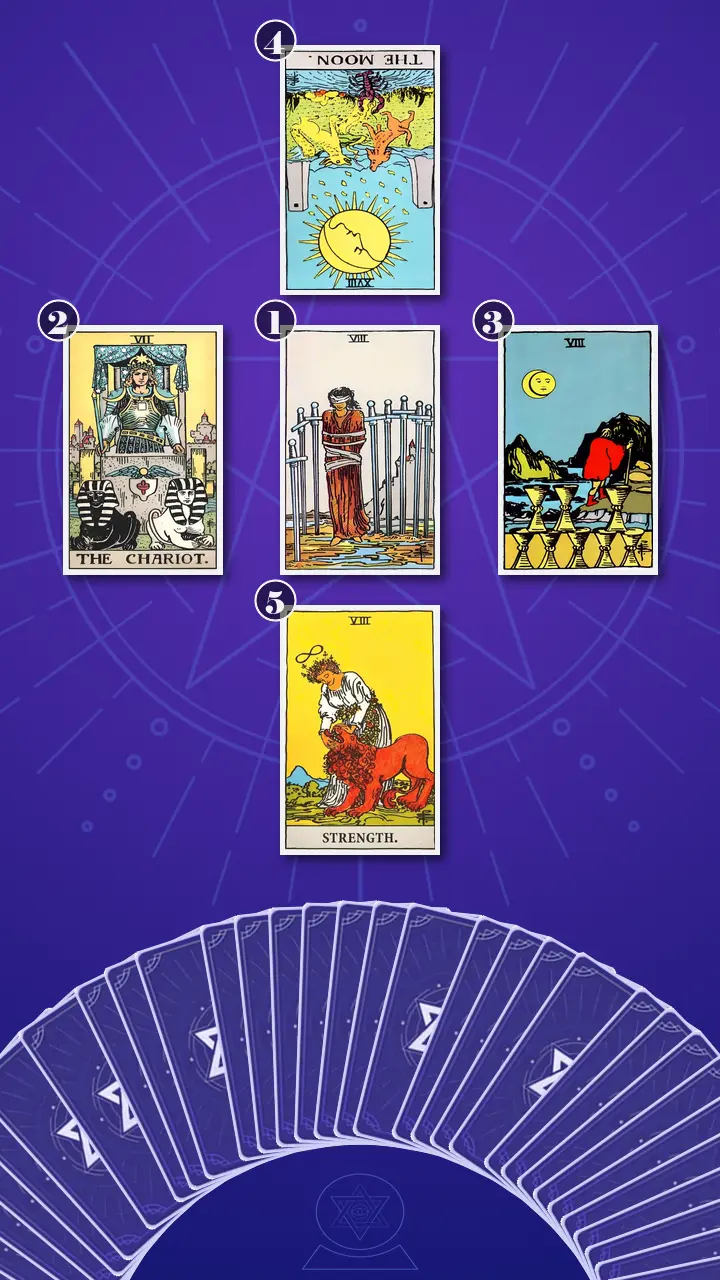
Reading the Map, Not the Noise
Position 1: The Loop That Looks Like “Research”
“Now we’re turning over the card that represents your current stuck point tonight: what the impostor-syndrome loop looks like in action.”
Eight of Swords, upright.
I didn’t need to reach for anything abstract. This card’s modern life scenario was already on Jordan’s screen: the add/drop portal open, the Notes app pros/cons list, RateMyProfessor, Reddit. Nothing external is physically stopping them from deciding—but it feels like clicking “Submit” will publicly expose them as not good enough, so they keep researching to postpone the moment of commitment.
In tarot terms, the Eight of Swords is the energy of a mental cage: thought loops that tighten until your body believes you’re trapped. Tonight, the energy isn’t balanced Air—clear thinking. It’s Air in excess, like a brain running too many background apps: comparison, fear, perfectionism, “just one more piece of info.”
I pointed to the blindfold in the traditional image. “This is screen-glare tunnel vision,” I said. “You’re staring at information, but you’re not seeing your agency. And the bindings—this part matters—are loose. The trap feels real in your chest, but it’s maintained by one assumption.”
Jordan let out a short laugh that had no humor in it. More like a cracked exhale. “Okay, wow. That’s… kind of brutal.” Their fingers kept tapping the trackpad, then froze, then tapped again—hover → back → refresh, like their body had memorized the loop.
“It’s not brutal,” I said softly. “It’s accurate. And accurate means workable.”
I asked, “What’s the thought that acts like the blindfold tonight?”
They didn’t look up. “If I choose wrong, everyone will see I don’t belong.”
“Right,” I said. “And if you don’t choose, you get a tiny hit of safety—because you haven’t ‘locked in’ the risk. That’s the loop. Safety vs agency.”
Position 2: Path A — The Grit With a Lane Painted On It
“Now we’re turning over the card that represents Path A: the growth-and-cost pattern if you keep/add the class.”
The Chariot, upright.
The Chariot is commitment, but not the ‘rah-rah’ kind. It’s the kind where you stop relying on vibes and start building rails. The modern translation is clear: you keep the class, and within the hour you put tutorial times in your calendar, identify office hours, and decide your minimum weekly plan—two study blocks plus one check-in.
The Chariot’s energy, when balanced, is willpower with structure. It’s not “I’ll prove myself by suffering.” It’s “I can steer.” Tonight, that matters because Jordan’s fear and ambition are pulling like two sphinxes in opposite directions: prove yourself vs protect yourself.
“If you keep it,” I told them, “this card doesn’t promise it will feel easy. It says you win by directing your energy. Your support plan is the reins.”
Jordan’s shoulders lowered a millimeter—so small I almost missed it. “So… keeping it doesn’t mean I have to feel confident first.”
“Exactly,” I said. “It means you have to be structured.”
Position 3: Path B — Leaving Without Turning It Into a Confession
“Now we’re turning over the card that represents Path B: the relief-and-cost pattern if you drop/switch the class.”
Eight of Cups, upright.
Eight of Cups is often misunderstood as quitting. But in real life, it’s the difference between disappearing in shame and walking away on purpose. The modern scenario here is powerful: you drop or switch, and you refuse to let impostor syndrome narrate it as failure. You write one values-based sentence—“I’m choosing bandwidth/fit/sustainability”—you click submit, and then you map what you’re doing instead (replacement course, work hours, rest).
Energy-wise, the Eight of Cups is intentional release. Balanced Water. Not avoidance, not numbness—alignment.
“If you drop,” I told Jordan, “the growth here is learning that boundaries are a form of competence. The cost is: if you don’t define the story, your brain will. It’ll rewrite it as ‘I wasn’t cut out for this.’ So we don’t leave it blank.”
Jordan blinked hard. “If I drop it, it means I was never cut out for this.” The sentence came out automatically, like a saved draft.
“That’s the shame narration,” I said. “And we can challenge it without shaming you for having it.”
Position 4: The Hidden Distortion — Fog Pretending to Be Evidence
“Now we’re turning over the card that represents what you’re not seeing: the core fear/distortion feeding impostor syndrome under deadline pressure.”
The Moon, reversed.
This one always changes the room. Even over video, I felt the air go quieter, like when a movie cuts the soundtrack and suddenly you hear your own breathing.
The Moon reversed is the moment you realize you’ve been treating late-night fear as a fact source. The modern scenario is painfully exact: one confident group chat message or one negative review becomes “I’m going to be exposed.” Your brain starts mind-reading classmates and predicting public embarrassment before you’ve even attended a tutorial. That’s not information; it’s a horror-movie edit.
“This is the false equation,” I said, keeping my voice calm. “Uncertainty = incompetence. Your nervous system feels ‘not sure,’ and your mind translates that as ‘not capable.’”
Jordan’s mouth opened, then closed. Their eyes went unfocused for a second—the look people get when they replay a moment in their head. Then they whispered, “I do treat my feelings like proof.”
“Yes,” I said. “And that’s why researching more makes you more anxious. You’re not collecting facts. You’re collecting permission.”
I held up my pen. “Tonight, we separate two tracks: Known Facts versus Moon Stories. Facts are workload, grading weights, your weekly hours, your work shifts. Moon stories are mind-reading, catastrophe scenes, and that one group chat ‘this class is chill’ message that hits you like you missed a memo.”
“Other people sounding sure isn’t evidence,” I added. “It’s just noise.”
When Strength Held the Lion Without Violence
Position 5: The Antidote You Can Do Tonight
I let my hands rest on the deck for a beat. “We’re turning over the card that represents the best next step for tonight: the most empowering, self-trusting action to take regardless of the final add/drop outcome.”
Strength, upright.
The image is simple: a calm figure, hands steady, gently closing a lion’s mouth. No aggression. No domination. Just presence.
Setup: Jordan was right back in that moment: the portal open, the deadline banner loud, hands moving between tabs like motion would create certainty. They were trying to solve fear by thinking harder, like the perfect argument could finally unlock the submit button.
Delivery:
Stop treating your fear as proof you’re an impostor; start treating it as a signal to choose with compassion and backbone—like Strength holding the lion without violence.
I let the sentence sit. Long enough for it to feel like a weight set down on the table, not a motivational poster hung on the wall.
Reinforcement: Jordan’s breath caught—an actual pause, like their body had been bracing for impact. Their fingers hovered above the trackpad, then went still. For a second their eyes glistened, not full tears, but the early shine of someone being seen too clearly. Their shoulders dropped, and the tightness in their jaw softened like they’d realized they didn’t have to bite down on the whole semester at once. Then came the complicated part: a flicker of anger. “But if that’s true,” they said, voice sharper for one beat, “does that mean I’ve been… doing it wrong the whole time?”
“No,” I said immediately. “It means you’ve been trying to survive. The Eight of Swords isn’t stupidity. It’s self-protection that outlived its usefulness.”
This is where my own lens kicked in—one of my favorite tools from studying old masters, and honestly, from making art when you’re scared of being judged: Einstein’s thought experiments. “Let’s do a thought experiment,” I told them. “Imagine two timelines. In both, you feel anxious. In one, you use anxiety as a stop sign and keep tab-hopping until the last minute. In the other, you use anxiety as a signal to attach a support plan, then you decide. Which timeline makes you more you?”
Jordan stared at the screen like they were watching that choice play out in real time. Their lips parted. They swallowed. Then the smallest nod.
“Fear is allowed in the room,” I said. “It just doesn’t get to drive.”
I leaned forward. “Now—using this new frame—think back to last week. Was there a moment you felt exposed, and you treated that feeling like proof you didn’t belong? What would have changed if you’d treated it as a cue to support yourself instead?”
Jordan exhaled, longer than before. “Tutorial,” they said quietly. “I didn’t answer a question fast enough. I decided everyone noticed. I… went home and spiraled for hours.”
“That was The Moon,” I said. “And Strength would’ve been: ‘Okay, I’m embarrassed. I can still email the TA one question. I can still show up next week.’ That’s the shift—from panic-driven overthinking and shame to gentle courage and follow-through without self-punishment.”
Click, Then Support: Actionable Advice for Tonight
I pulled the whole cross together for them, like stitching a torn seam.
“Here’s the story your cards told,” I said. “You’re in an Eight of Swords moment—treating a practical registration choice like a referendum on your worth. Path A (The Chariot) says keeping the class can work if you steer with structure, not self-punishment. Path B (Eight of Cups) says dropping can be wise if you define it as alignment, not failure. Above it all, The Moon reversed shows the real pressure: you’re confusing uncertainty with evidence you’re unqualified. And beneath it all, Strength says tonight isn’t about proving anything. It’s about leading yourself through discomfort with a support plan.”
The cognitive blind spot is sneaky: you think you’re stuck because you need more information, but you’re actually stuck because you’re trying to earn belonging through perfect certainty. The transformation direction is clear: shift from “I need certainty before I commit” to “I can commit with a support plan and learn as I go.” This decision is a strategy, not a verdict.
“Let’s make it concrete,” I told Jordan. “Not as a whole-life plan. As something you can do before midnight.”
- Do the 12-Minute Moon CheckSet a 12-minute timer. In Notes or on paper, make two columns: Known Facts (deadline time, workload, grading weights, your weekly hours, work shifts) and Moon Stories (mind-reading, catastrophe scenes, “everyone will know I’m behind”). Stop when the timer ends—no extensions.If your brain says “12 minutes isn’t enough,” that’s the Eight of Swords buying time. Do a 5-minute version and write only Known Facts.
- Use a One-Criterion Decision RulePick ONE criterion for tonight—bandwidth, genuine interest, fit with your work schedule, or mental health sustainability. Write one sentence: “Tonight I’m deciding based on ____.” If you want an extra focus hack, write that sentence once normally, then once in mirror writing (backwards), like a tiny Manuscript Mindmap—it slows the spiral and makes the criterion feel real.You’re not trying to choose perfectly. You’re choosing in a way you can stand behind tomorrow morning.
- Run the Strength Sequence: Click + SupportClose every tab except the portal and your Notes. Make the choice. Click submit. Within 3 minutes, do one supportive action: book office hours, add one study block to your calendar, or text one friend: “I clicked. Can you check in tomorrow?”Say it out loud if you can: “Click, then support. Not click, then punish.” If anxiety spikes, pause for one long exhale—then do the next smallest step.
Jordan looked down at their hands like they were meeting them for the first time tonight. “So even if I’m scared,” they said, “I’m allowed to choose.”
“More than allowed,” I said. “You’re allowed to learn. That’s what you’re here for.”

A Week Later: The Quiet Proof
Six days later, I got a message from Jordan that was almost aggressively simple: “I did the timer thing. Wrote the one sentence. Clicked. Then booked office hours. I didn’t spiral after.”
They added, after a pause: “I still woke up the next morning thinking, ‘What if I messed up?’ But then I remembered Strength, and I didn’t open Reddit.”
That’s the kind of clarity I trust—the kind that shows up as a steadier breath, not a perfect mood. Clarity that doesn’t erase fear, but changes who’s holding the wheel.
In my head, I saw it like an old film dissolve: the earlier scene—blue light, buzzing phone, hovering over Submit—fading into a quieter frame. Not triumphant. Just real.
Clear but still a little tender: they slept through the night after the decision, but in the morning the first thought was still “What if I’m wrong?”—only this time, they exhaled, sat up, and followed the support plan instead of reopening the portal.
When the deadline clock is loud and your chest is tight, it’s easy to believe one wrong click will expose you—but what’s really hurting is how much you’re trying to earn belonging in a place you’re already allowed to learn.
If you treated tonight’s add/drop choice like a reversible experiment—with one small support plan attached—what would you be willing to click, just to give yourself a real data point instead of another spiral?
Every reading at AceTarot is a Journey to connect with inner wisdom and empower next step.
Learn more about our Journey to Clarity.