From the Midnight Text Regret Loop to One Need You Can Name by Morning
The Room That Was Louder Than the Radiator: Inside the Midnight Text Regret Loop
When Taylor (name changed for privacy) came to me just after 1 a.m., phone still warm in her hand, I recognized the particular kind of modern ache she was carrying. She was twenty-seven, a social media coordinator in Toronto, the sort of woman who could answer Slack in thirty seconds and still lose an hour to one emotionally flat text at 12:47 a.m. That is the midnight text regret loop, and I have seen it catch many smart, articulate people who mistake speed for steadiness after dark.
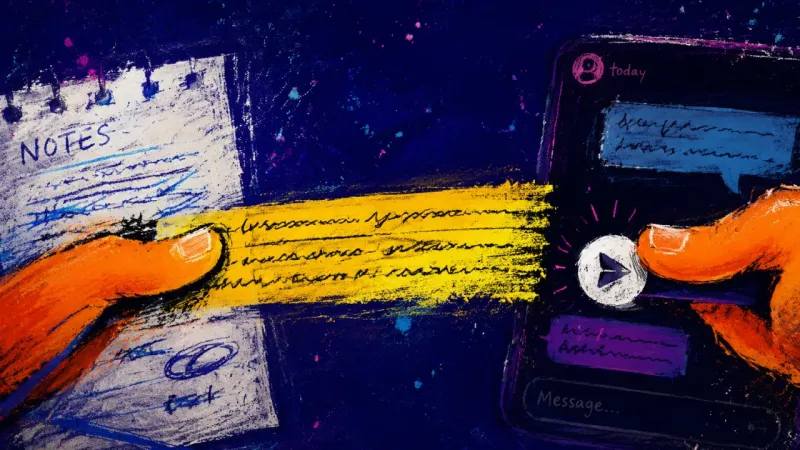
She joined my late-night video reading from her small apartment bedroom with one lamp off and her phone doing all the lighting, switching between iMessage and Apple Notes while the radiator clicked and the charger gave off that thin electric hum that somehow sounds louder at night. Her screen looked warm in her hand. Her chest was tight, her face hot, and her thumbs kept editing the same paragraph as if the next sentence might quiet the whole room.
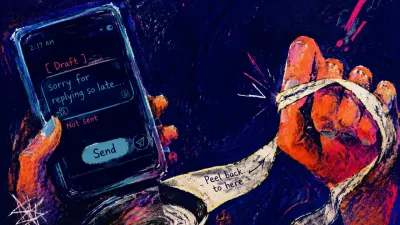
"I know the long text is a bad sign," she told me, looking down at the draft again. "But silence feels worse." There it was in one breath: torn between sending the long text at 1 a.m. for immediate relief and sleeping on it for perspective. Her urgency felt to me like trying to steer harder the moment a car starts to skid on black ice; the tighter she gripped the wheel, the less control she actually had.
I met her there without judgment. "The urge is real," I said. "The timing might still be wrong. We do not need to shame the impulse, and we do not need to obey it either. Let me help you draw a map through the fog so we can find clarity before you decide what deserves daylight."

Choosing the Compass: A Decision Cross for a 1 a.m. Choice
I asked her to set the phone down for one full breath and keep the unsent message in mind while I shuffled. I never use ritual to make a moment feel more mystical than it is; I use it to help a racing nervous system cross the small bridge from reaction into observation.
For a question like, "Should I send the long text at 1 a.m. or sleep on it?" I reach for the Decision Cross. People often ask me whether tarot can help with a late-night texting decision, and my answer is yes—but not by predicting what the other person will think. Tarot works best here as a mirror and a map. It shows the state you would be speaking from, the fear underneath the urge, and the most grounded next step.
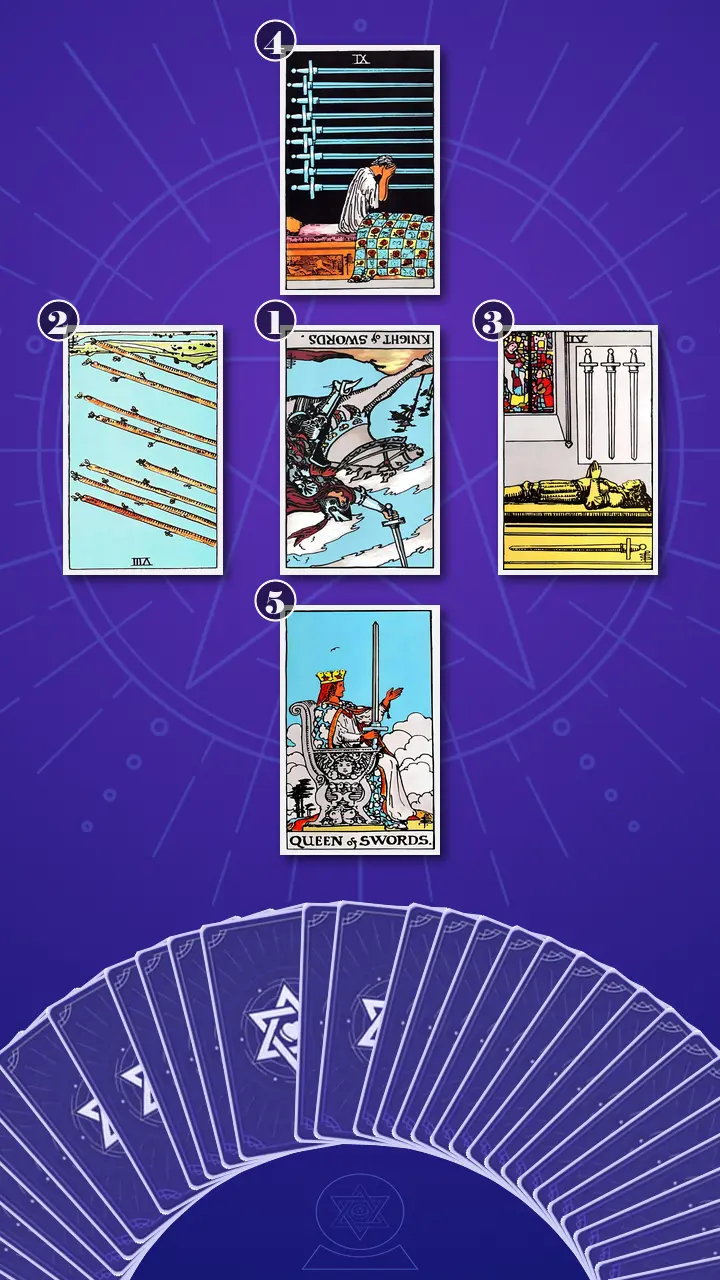
This spread fits because the choice looks like a simple either-or, but the real issue is emotional timing, communication, and self-trust. The center card names the spike happening in the body and on the screen. The cards to the left and right compare the live options of sending now or sleeping on it. The card above exposes the fear making the whole moment feel so high-stakes. The card below shows the communication stance your body can actually walk.
What the Night Was Really Doing
The Charging Horse in a Dark Bedroom
I turned the card representing the immediate emotional charge and the observable behavior at the center of the choice. It was the Knight of Swords, reversed.
I showed her the image and said what I saw plainly: this is the exact moment when the text stops being a message and becomes a late-night mission. Bed lit by phone glow. Thread open. Notes open. Scroll up for proof. Paste. Delete. Rewrite. The urge feels like honesty, but the body underneath it is running on heat, not steadiness. The charging horse in this card is what restless thumbs look like when they move faster than the nervous system can settle.
Reversed, the Knight is excess air—mental overdrive, catastrophic rehearsal, and over-editing. It is Slack brain after midnight, when communication feels like problem-solving simply because you have been online all day. I asked her, gently, "Is the paragraph really honesty, or is it emergency ventilation?"
She let out a short laugh that carried more sting than humor. "That is annoyingly accurate," she said. "You're describing my thumbs." The wince in her face told me she felt seen, and that mattered. Recognition is often the first exhale.
What Sending Tonight Was Trying to Buy
Next I turned the card representing the energy, motive, and trade-offs of sending the text tonight. The Eight of Wands, reversed.
In ordinary life, this is what happens when one long paragraph turns into a second clarification, then a third follow-up because the first one did not land exactly right. Words are already in motion, but not cleanly. It is like pressing refresh on a page that is not broken and only making it glitchier. What starts as one message becomes a notification storm.
Reversed, this is blocked fire: momentum without alignment. It promises relief, but it often produces aftermath instead—more explaining, more defensiveness, more management of how the delivery sounded. "A long text can feel like control without reading like clarity," I told her. "The risk here is not that your feeling is false. The risk is that the message is being powered by urgency more than precision."
She nodded immediately. "This is literally what I do," she said. "I send it, then I want to send the message that explains the message." That was the blockage in modern language: wanting to be understood and not wanting to look dramatic, both wrestling the wheel at once.
Together, the first two cards showed me the core tangle clearly: overloaded air meeting jammed fire. The more she tried to move the conversation by force, the messier it was likely to land.
The Card That Let the Muddy Water Settle
On the right side of the cross, I turned the card representing the energy, perspective, and trade-offs of sleeping on it. The Four of Swords, upright.
I felt the reading exhale. This card is not ghosting and it is not repression. It is the practical act of moving the draft into Notes, putting the phone face down, letting the mind close the app that has been running in the background all night, and discovering in the morning that the feeling survives even when half the wording does not.
Upright, the Four of Swords is balanced recovery. Rest here is active, not passive—like putting your phone on low power mode before it dies at the worst possible moment, or letting muddy water settle instead of stirring it again just to check whether it is still cloudy. I have lived through enough Highland winters to know that a bare field is not a failed field. Sometimes the deepest work is happening where nothing looks dramatic from the outside.
Taylor frowned at the card and then back at me. "But if I do not send anything, it feels like I'm abandoning myself." I shook my head. "No," I said. "You are preserving the part of you that will still sound like you in daylight. Draft it tonight if you need to. Decide tomorrow if it deserves daylight." She took one slow breath, and it was the first true pause of the session.
The Fear Sitting Upright in Bed
Then I turned the card above the center, the position that reveals the underlying fear and unmet need making the choice feel so urgent. The Nine of Swords, upright.
This card needed almost no translation. It is the exact picture of lying in the dark with the thread open, no new message arriving, while the mind generates five possible outcomes anyway. One unread or emotionally flat text becomes a full worst-case slideshow on autoplay. Present facts go quiet. Imagined verdicts get loud.
Upright, the Nine is not new evidence. It is fear amplified by the hour. It is the brain turning silence into an official statement. I said to her, "The deepest engine here isn't that you have not found the perfect wording yet. It is the fear that if you sleep, the silence gets to say more than you do."
Her fingers stilled on the edge of her mug. Then her gaze drifted slightly out of focus, as if she were replaying a chat thread behind her eyes. When she finally spoke, her voice had gone much softer. "Yeah," she said. "If I wait, I think they get to decide who I am first." Hurt had been underneath the urgency the whole time. Now it was visible without the armor of over-explaining.
When the Queen Lifted Her Sword into Morning
The Grounded Path Beneath the Cross
Finally, I turned the card representing the most grounded communication stance for moving forward with integrity. The radiator in Taylor's room had gone quiet by then, and the sudden stillness felt different now—not accusatory, but spacious. The card was the Queen of Swords, upright.
The Queen's lesson was simple: you do not need to send everything you feel in order to communicate what matters. She is the morning-after version of honesty: one direct message, one clear point, no emotional archive attached. The upright sword says discernment. The open hand says contact. This is clean truth, not coldness.
In my work, I use what I call Seasonal Energy Diagnostics. I ask a very old question in a very modern situation: what season is this nervous system actually in when the mind starts making demands? Taylor's midnight spiral was winter energy trying to force a spring harvest. At 1 a.m., she was asking cold soil for ripe fruit. The Queen of Swords does not shame the field for being dark; she simply refuses to harvest in the dark. That is not avoidance. That is wisdom about timing.
At that point, Taylor was still caught in the old logic: if she did not explain everything right now, she might lose her chance to be understood, and the silence would lock in the wrong version of her before morning.
Stop treating the paragraph as proof of your worth; let the Queen's upright sword cut the midnight spiral down to the clear truth you can still stand by in daylight.
For one suspended beat, she stopped moving altogether. First came the physical freeze: her breath caught halfway in, and the hand hovering near her phone went still, fingers suspended as if even touching the screen might collapse the moment. Then came the inward turn: her eyes lost focus, not blank, but busy, replaying the 12:47 a.m. version of herself copying the draft from Notes into the chat box and back again, trying to engineer safety out of clauses, timestamps, and context. Then the feeling broke through. Her mouth tightened. "But if I don't send the whole thing," she said, and there was a flash of anger under the ache, "does that mean I've been doing it wrong?"
"No," I told her. "It means you've been trying to use speed to do the job of trust. That's human. It just is not the same as clear communication." I invited her to copy the draft out of the chat box, bold the single sentence naming her actual need, and title the note Morning Version. As I spoke, the set of her jaw loosened. Her shoulders, which had been lifted almost to her ears since we began, dropped inch by inch. The next sound out of her was not quite a laugh and not quite a cry—more like the body recognizing an exit. "So I only keep what survives morning," she whispered.
"Exactly," I said. "Now, with this new lens, think back to last week. Was there a moment when this would have changed how you felt?" She nodded almost immediately. "In the PATH coffee line," she said. "The hurt was still real. I just didn't need the whole case file." That was the real shift: not from feeling to numbness, but from urgency-fueled over-explaining to morning clarity and self-trusting communication.
And beneath it all sat the simplest truth of the spread: not every true feeling belongs in the first message.
Draft, Don't Dump: The Morning Version Method
Once the whole cross was visible, the story was coherent. At the center sat an overclocked communication reflex: typing as a way to regain control when silence feels emotionally risky. On the send-it-now side, that reflex became tangled momentum—words launched before aim. On the sleep-on-it side, the nervous system finally had room to come down. Above it all was the real wound: the fear that if she did not explain herself before bed, the silence would decide the story for her. And beneath it, the Queen of Swords offered the antidote: discernment, self-respect, and concise honesty.
I told Taylor her blind spot was not that she felt too much. It was that she kept mistaking urgency for truth and completeness for safety. The spread showed almost no water at all—very little space to simply feel the hurt before converting it into arguments. The transformation direction was clear: shift from using the text to discharge emotion to using communication to express one clear need.
So I gave her three next steps. The first borrowed from my Winter Dormancy Ritual, though I cut it down to fit one charged night: do nothing outward on purpose, and let that stillness count as work.
She made a face. "But I use my phone as my alarm, and if I put it across the room I'll just think about the message harder." I smiled. "Then make the boundary smaller, not holier," I said. "Five minutes face down on Do Not Disturb is still a boundary. We are building steadiness, not performing virtue."
- Start the Morning Version Tonight, move the draft out of the chat box into a Notes file titled "Morning Version." Bold or highlight the one sentence that names your real need, then put the phone on charge somewhere you cannot reach without getting out of bed. If that feels too sharp, do the five-minute version: turn on Do Not Disturb, place the phone face down, and step away. You are not abandoning yourself; you are preserving what will still feel true in daylight.
- Run the One-Need Edit Tomorrow morning, reread the draft once—preferably with coffee, not panic—and delete any line that exists mainly to prove your intentions, defend your character, or recreate the whole timeline. Keep one topic, one feeling, and one request. Use the simple frame: "When X happened, I felt Y, and I need Z." A shorter message may feel more exposed, but it is often far clearer.
- Send an Opener, Not the Archive If contact still matters after sleep, send one clean opener such as: "I want to come back to this when I'm clearer. The main thing I need to say is ___. Are you open to talking later today?" If text is the wrong container, ask for a call instead. One text, one topic, no midnight escalation. You do not need the whole backstory to name one clear hurt.
That was my practical answer to the question of should I send the long text at 1 a.m. or sleep on it: draft first if you must, pause overnight, then come back to one clear need with concise, boundaried honesty. That is how finding clarity becomes a behavior, not just a feeling.

A Week Later, the Weather Had Changed
Four days later, Taylor sent me a short note. She had not sent the 1 a.m. paragraph. She moved it into Notes, slept badly for an hour, then actually slept. At 9:12 the next morning, standing in a coffee line in the PATH, she cut the draft down to three sentences and sent a one-topic opener instead of the whole archive.
She gave me the vulnerable part first. Her stomach still flipped when she pressed send. Then came the quiet proof: "It felt exposing," she wrote, "but clean. Like I sounded like myself instead of my adrenaline." Clear, but still a little shaky. That is often how real change arrives.
I sat with that message and smiled. Tarot had not rescued her from uncertainty, and I would never ask it to. It had simply shown her the weather pattern clearly enough that she could stop obeying the storm. This journey to clarity was never about becoming less honest. It was about becoming honest from a steadier place.
If tonight you are lying in a room that has gone too quiet, with a hot face, a tight chest, and the fear that silence will define you before sleep, please know this: noticing the split between relief and clarity already means you are no longer fully trapped inside it.
So if you kept only the one sentence the Queen's sword would spare by morning, what might you want it to say?
Every reading at AceTarot is a Journey to connect with inner wisdom and empower next step.
Learn more about our Journey to Clarity.