From R&R Shame Spirals to Steady Submitting: One Comment at a Time

The 8:47 p.m. Email That Makes Your Chest Tighten
If you’re a late-stage PhD in a high-cost city like Toronto and the words ‘Revise and Resubmit’ in your inbox hit like a body-flush of shame before you’ve even opened the PDF, this is for you.
Jordan (name changed for privacy) showed up to our session in the soft, apologetic way people do when they’ve been fighting the same problem alone for weeks. They sat down, set their phone face-down like it was capable of betraying them, and said, “I keep opening the editor’s email like it’s going to bite me.”
They described a Tuesday night in their condo: 8:47 PM, kitchen table, overhead light buzzing with that cheap-electric impatience. The laptop fan ramped up as soon as the journal portal loaded. One line of the R&R email was enough to cinch their chest, like a drawstring pulled tight. And then—almost automatically—they’d open Zotero and start fixing citation formatting, because commas and italics don’t ask, Are you good enough?
“It’s not that I can’t do it,” they told me, staring at the edge of their mug instead of my face. “It’s that I can’t do it and still respect myself.”
The shame wasn’t abstract. It lived in the body: hot face, tight chest, sinking stomach—like stepping onto a stage under a spotlight that feels less like light and more like judgment. And underneath all that was the core contradiction I could feel them wrestling with: they want to complete and submit a clear R&R revision, but they fear the review process will expose them as not good enough.
I leaned forward a little, careful not to rush them. “I believe you,” I said. “And we’re not going to treat this like a character flaw. Let’s try something more useful: let’s map the loop. We’re here for a Journey to Clarity—something you can actually do after we hang up, not just something you understand.”
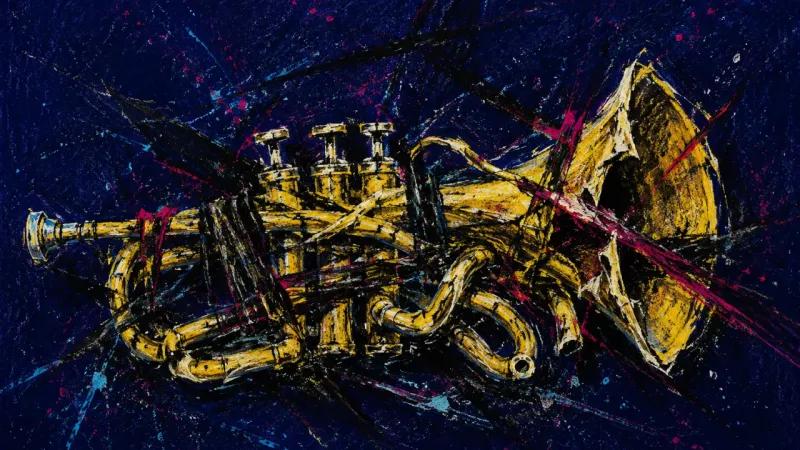
Choosing the Compass: A Transformation Tarot Spread for the R&R Shame Loop
I asked Jordan to take one breath that was just a fraction longer on the exhale. Not a ritual for the universe—more like switching your nervous system from “fire alarm” to “okay, I can read a screen.” While they breathed, I shuffled slowly, the way I do when I want the pace to tell the truth: you don’t get out of a shame loop by sprinting.
“Today,” I said, “I’m going to use a spread I call the Transformation Path Grid (6) · Context Edition.”
For anyone wondering how tarot works in a situation like this: I’m not using it to predict whether the journal will accept the revision. An R&R isn’t a fortune-telling problem—it’s a pattern problem. This spread is built for exactly that: it lays out (1) what you’re doing on the surface, (2) the specific blockage keeping you stuck, (3) the deeper belief making that blockage feel “necessary,” then (4) the inner lever that changes everything—followed by (5) a concrete next step and (6) the integration mindset so you don’t relapse into the portal-checking spiral.
I placed the cards in a 2x3 grid: top row for diagnosis, bottom row for turning point, action, and integration. I told Jordan, “Think of it like moving from a cluttered desktop to a clean workflow. Same computer. Different organization.”
“Okay,” they said, and the word came out tight, like they were bracing for impact.
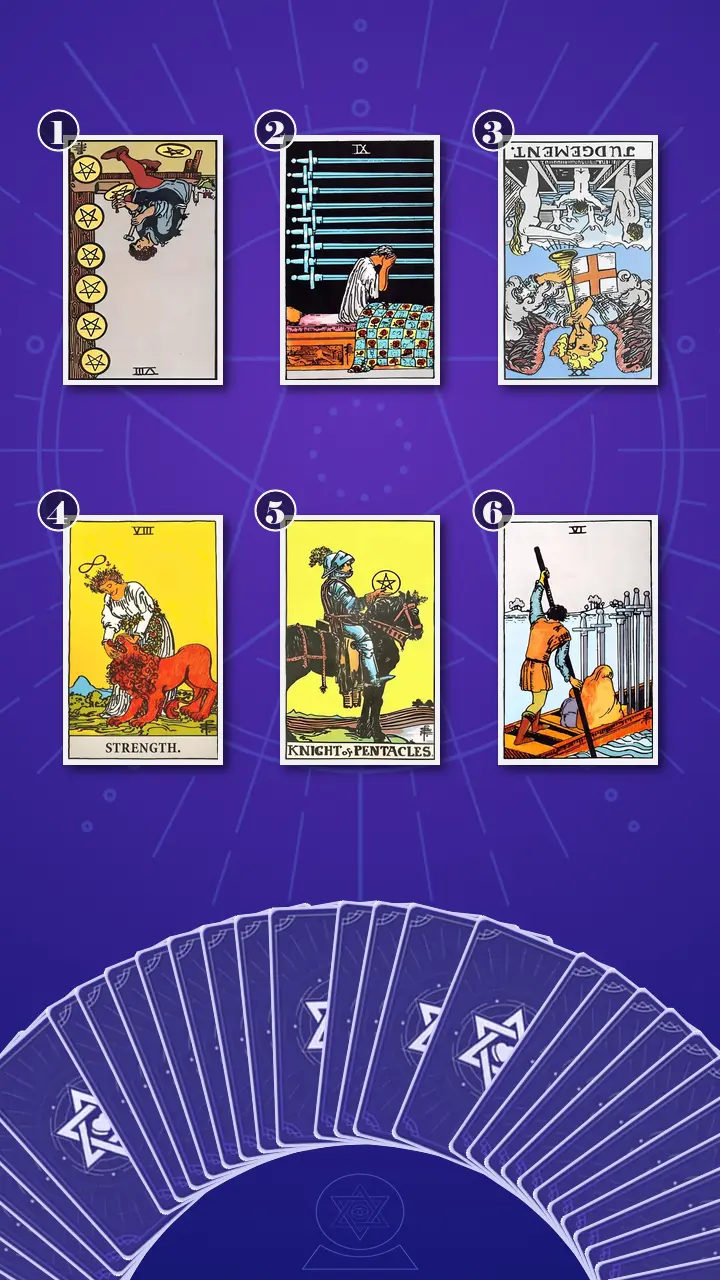
Reading the Grid: From Busywork to the Mental Courtroom
Position 1 — Current pattern: what’s most observable right now
“Now flipping,” I said, “is the card representing Current pattern: the most observable way the revise-and-resubmit situation shows up in your behavior and work habits right now.”
Eight of Pentacles, reversed.
This card’s modern-life scenario landed almost too perfectly: You sit down to ‘finally’ work on the R&R, but the moment you open the email your body tightens and you drift into controllable micro-tasks—polishing a sentence, reformatting citations, checking the journal template, tweaking headings. Hours pass, the document looks cleaner, but the reviewer checklist is still basically untouched—because the real job (clear, finite responses) feels emotionally risky.
“This is the craftsman card,” I told them, “but reversed it becomes craft as cover. The energy here is blocked Earth: a lot of effort, not much completion. Your hands are working, but they’re working on what feels safe.”
Jordan let out a small laugh that had no humor in it—just recognition with teeth. “That’s brutal,” they said. “Like… yeah. I thought I was being thorough.”
I nodded. “You’re not lazy. You’re not ‘bad at time management.’ You’re not procrastinating—you’re trying to outrun a verdict story. And formatting is the treadmill.”
Position 2 — Main blockage: the knot that stops completion
“Now flipping,” I said, “is the card representing Main blockage: the specific emotional-cognitive knot that stops completion and keeps the email/revision cycle looping.”
Nine of Swords, upright.
The modern-life scenario was immediate: At night, one reviewer comment turns into ten imagined criticisms. You mentally rehearse how you’ll be perceived, what the editor ‘really’ thinks, and whether this proves you don’t belong in academia. Your body is stuck in alarm (tight chest, hot face), so you seek relief by overworking—yet the more you think, the worse it gets.
“This is the mental courtroom,” I said, and the phrase made Jordan’s eyes flick up. “It’s 1:12 AM in your head. The reviewer sentence becomes Exhibit A. Then your brain—like it’s streaming 12 Angry Men on an endless loop—starts casting jurors and cross-examining you.”
I kept it grounded, because Nine of Swords can get dramatic if you let it. “The energy here is Excess Air. Too many thoughts pinned up like evidence on the wall. And because your body feels threatened, you reach for a compulsion that gives you a hit of control: another micro-edit, another guideline check, another ‘one more pass.’”
Then I followed the montage structure, tight and honest: “Fact: the reviewer asked for clarification. Catastrophe story: ‘They think I’m average.’ Body reaction: chest tight, face hot. Compulsive control move: you polish the intro paragraph because it feels like armor.”
Jordan swallowed. Their shoulders rose, then held—like they forgot the exhale existed—then dropped a millimeter when I said the last line. That tiny drop told me the card had named the thing.
“Can I ask you something?” I said. “When the spiral starts, what’s the exact sentence your inner critic repeats?”
They didn’t hesitate. “If I send this now, it’ll show exactly how average I am.”
Position 3 — Root mechanism: what belief keeps the loop alive
“Now flipping,” I said, “is the card representing Root mechanism: the underlying fear and self-worth story that makes the blockage feel necessary or protective.”
Judgement, reversed.
I didn’t need to romanticize it. The modern-life scenario is already modern: Every ping from the journal thread feels like a summons. Instead of ‘this is a revision stage,’ it becomes ‘this is where they decide if I’m real academic material.’ That belief turns the response letter into an attempt to earn absolution, which makes you freeze and seek external reassurance—because nothing you write feels safe enough to submit.
“This card is the notification trumpet,” I said. “Reversed, it’s not a call to the next chapter—it’s a call to court. The journal portal becomes a courthouse door you don’t want to open because you’re convinced there’s a sentence waiting on the other side.”
I watched Jordan’s hands while I spoke. They were twisting the paper sleeve on their coffee cup into a tight coil. Shame always wants to make something smaller.
“Here’s the contrast Judgement reversed is asking us to see,” I continued. “There’s process step—and then there’s identity verdict. And right now, your mind is treating peer review like a permanent Yelp review of your entire worth.”
Jordan exhaled, but it came out shaky. “And then I feel guilty,” they admitted. “Because I’m supposed to be grateful for an R&R. Everyone else seems to treat reviews like a normal step, and I take it like a verdict.”
“Exactly,” I said, keeping my voice warm. “And guilt becomes another reason to hide. But I want you to hear this clearly: Feedback is information, not identity. That’s not a motivational poster. It’s a boundary.”
When Strength Spoke: Holding the Lion While You Hit Send
Position 4 — Key lever (turning point): the inner stance that unlocks movement
Before I turned the next card, the room felt quieter—like the moment in a film when the soundtrack drops out so you can hear a character’s breathing. Even over video, I could sense Jordan bracing. This was the turning point position: the lever that changes the emotional dynamic.
“Now flipping,” I said, “is the card representing Key lever: the most effective inner stance or resource that loosens the shame loop without needing perfect certainty.”
Strength, upright.
The modern-life scenario could’ve been a transcript of what Jordan needed: You feel the shame spike when you read a critique—and you stay at the desk anyway. You soften your jaw, take a longer exhale, and write the simplest professional truth instead of the most impressive paragraph. You don’t try to crush the feeling; you ‘hold the lion’ gently so you can keep moving.
“Strength is not hype,” I said. “It’s calm authority. The energy is balanced Fire: warmth without wildfire. You don’t eliminate fear. You lead yourself while fear is still in the room.”
Jordan nodded once—sharp, almost defensive. “But that sounds like pretending,” they said. “Like… if I’m steady, aren’t I just lying to myself?”
This was the moment I brought in my signature tool—because Strength isn’t just a vibe. It’s a method.
“I’m going to borrow from Einstein for a second,” I told them. “A thought experiment. Imagine we remove the variable ‘Jordan’s worth’ from the equation entirely. We run the same peer review process on a paper written by someone you respect—someone you’d never call ‘average’ even on their worst day. Same comments. Same R&R. Would you say, ‘This proves they shouldn’t be in academia’?”
Jordan’s mouth opened, then closed. Their eyes drifted left, unfocusing—like they were actually running the experiment.
“No,” they said quietly. “I’d say it’s… normal. Annoying, but normal.”
“That’s Strength,” I said. “It’s the part of you that can keep the variables honest. Shame tries to smuggle ‘identity’ into every line item. Strength says: we’ll keep this about the work.”
The Aha Moment
Here was the setup—the exact trap Jordan had been stuck in: it was late, they were staring at the journal portal tab, and their body was reacting like they were about to be judged as a person—not like they were about to submit a document.
Stop treating the R&R like a verdict you must survive, and start treating it like a lion you can hold calmly while you do the work—Strength doesn’t rush, it steadies.
For a beat, Jordan went completely still. Their breath paused mid-chest—like a cursor hovering over “send.” Then their gaze softened in that faraway way people get when a sentence rewrites an old memory. Their eyebrows knit, not in confusion but in grief, and their jaw unclenched so suddenly I could almost see the release in the muscles by their ears.
“But…” Their voice sharpened for a second, a flash of anger under the shame. “Does that mean I’ve been doing it wrong this whole time? Like I’m—” They cut themselves off, shoulders tensing again, hands gripping the mug like it was an anchor.
I held my tone steady. “No. It means you’ve been trying to protect yourself with the tools you had. Over-editing is a survival strategy in a lab coat. Strength just gives you a better strategy.”
Jordan blinked hard, twice. Their eyes went glassy but they didn’t cry—more like they were letting a pressure valve hiss. They exhaled, long and trembling, and their shoulders dropped a full inch this time. After a second, they gave a small, disbelieving laugh. “I can… hold the lion,” they repeated, like testing the weight of it.
“Yes,” I said. “And I want to make it concrete. Set a 25-minute timer. Pick the easiest reviewer comment. Write a 3-sentence response—acknowledge → change → location. Implement only that matching change. When the timer ends, stop on purpose. If you feel overwhelmed at any point, you can pause and come back later—stopping is allowed, and it’s part of learning that you can stay steady without perfect control.”
In that moment, what shifted wasn’t the journal’s opinion—it was Jordan’s internal posture. This wasn’t just about a decision. It was the first step of an emotional transformation: from shame-driven overthinking to grounded self-trust under evaluation.
I added, softly but clearly, “Contain the work, not your worth. That’s the whole spell, if we’re calling it anything.”
Then I asked, “Now, with that new lens—can you think of one moment last week when this would’ve changed how you felt?”
Jordan looked down at their desk. “Sunday,” they said. “Streetcar. LinkedIn. Someone posted ‘thrilled to announce’ and I literally opened the portal tab on my phone and then closed it like it burned me.” They shook their head. “If I’d thought ‘lion’ instead of ‘verdict’… I think I would’ve gotten off at my stop and just… eaten dinner. Like a person.”
Position 5 — Next step action: the grounded behavior that turns insight into motion
“Now flipping,” I said, “is the card representing Next step action: a concrete, grounded behavior that translates insight into forward motion on the revision and response letter.”
Knight of Pentacles, upright.
The modern-life scenario is the antidote to the chaos: You turn the reviewer comments into a numbered tracker and work them one at a time in scheduled blocks. Each item has a defined ‘done’: a 3-sentence response, a specific manuscript change, and a page/line location. You stop when the block ends. Progress becomes visible, so your nervous system doesn’t need to chase the illusion of ‘ready.’
“This is measurable progress,” I said. “The energy is balanced Earth. Not glamorous. Reliable. Your brain wants a heroic quest. The Knight says: it’s a transit route. Same stops, same schedule.”
I couldn’t help slipping into the way my own artist brain makes structure feel livable. “When I’m building a body of work, I think like Beethoven,” I told them. “A symphony isn’t one perfect note—it’s movements. You don’t rewrite the opening bar for three months because you’re afraid of the finale. You commit to the next movement.”
Jordan’s mouth twitched like they wanted to smile but didn’t fully trust it yet. “So… one comment at a time,” they said.
“Yes,” I said. “One comment. One pass. One clean change. Then stop. That’s Knight of Pentacles in plain English.”
Position 6 — Integration: what to carry after you hit send
“Now flipping,” I said, “is the card representing Integration: the mindset to carry after hitting send, so you can move on without reopening the shame loop.”
Six of Swords, upright.
The modern-life scenario here is post-submission reality: After you submit, discomfort lingers—but you choose transition instead of obsession. You save the final files, close the portal tab, and move your attention to the next task within 24 hours. You carry what you learned forward, without reopening the same self-attack loop to punish yourself for being human.
“This card is relief-through-movement,” I said. “The energy is healthy Air. Thoughts as transport, not torture. You’ll still carry the lessons—those swords are in the boat—but you stop using them as weapons against yourself.”
Jordan nodded slowly, as if they could already feel the itch of the portal tab. “I always reopen it,” they admitted. “Like… checking is how I punish myself.”
“Then let this be your boundary line,” I said. “Closing the tab is part of the submission. Six of Swords is you choosing not to relitigate the case.”
The Clean Workflow: Actionable Next Steps for a Revise-and-Resubmit
I pulled the whole grid together for them, like stitching a film montage into a plot you can follow. “Here’s the story I’m seeing,” I said. “You start in Eight of Pentacles reversed: busy, diligent, and stuck—because micro-edits feel safe. Then Nine of Swords spikes you into a mental courtroom at night, where your body reacts to feedback like danger. Underneath, Judgement reversed turns the whole R&R into an identity verdict, which makes you chase the feeling of ‘ready’ instead of tolerating the discomfort of ‘good-enough.’ Strength is your turning point: gentle authority in your own body. And once that steadiness is online, Knight of Pentacles gives you the method—contained work, measurable progress. Six of Swords is the aftercare: move forward without reopening the wound.”
“The cognitive blind spot,” I added, “is that you’ve been treating calm as the prerequisite for action—like you have to earn certainty before you’re allowed to respond. But your transformation direction is the opposite: you build self-trust by completing small, contained steps while you’re still not perfectly calm.”
Then I gave Jordan what they came for: next steps they could do in real life, in a real week, with teaching and admin noise and a nervous system that spikes at subject lines.
- Build the Reviewer Comment Tracker (Tonight, 20 minutes)Copy-paste each reviewer comment into a numbered list (Google Doc, Notion, or a spreadsheet). Add three columns: “Response (3 sentences),” “Manuscript change,” “Location (page/line).”If you feel the urge to perfect the formatting of the tracker, label that urge “Eight of Pentacles reversed” and keep it ugly on purpose. This is a tool, not a performance.
- Do One Single-Pass Comment (Tomorrow, 25 minutes)Pick the easiest reviewer point and write exactly three sentences in the response letter: (1) Thank/acknowledge, (2) State what you changed, (3) Point to where it is. Then make only that matching change in the manuscript.Start with the smallest comment, not the scariest. If your brain says “this is too simple,” remind it: simplicity is the point of a response letter.
- Use the “Strength Pause” Before Each Comment (2 minutes, every time)Before you open a reviewer comment, exhale longer than you inhale, unclench your jaw, drop your shoulders, and ask: “What is the calmest truthful response I can write?”If you lock up at the keyboard, try my “Manuscript Mindmaps” trick: write the three sentences by hand messily first (even mirrored if you want to break perfectionism), then type. The point is to bypass the inner court and get words moving.
I watched Jordan’s face as the steps became finite. Their eyes looked clearer—not magically confident, but less hunted. That’s what actionable advice does when it’s actually matched to the mechanism: it gives your nervous system a handrail.

A Week Later: The Quiet Proof
Six days later, Jordan messaged me. Just one line, no essay: “Did the tracker. Did one comment in 25 minutes. Stopped when the alarm went off. I hated it—and then I felt weirdly… proud?”
That’s the kind of proof I trust. Not “everything is fixed,” but a small loosening—like the body learning, one repetition at a time, that evaluation isn’t the same thing as danger.
In my own head, I thought about how films handle trials: the verdict isn’t the only climax; sometimes the real climax is the moment the character stops begging the courtroom to define them. This was Jordan’s version of that scene—quiet, uncinematic, real.
We’ve all had that moment where a subject line turns your stomach and you start polishing small things like it could protect you from the bigger fear: being seen as not enough.
If you didn’t have to earn certainty first, what’s one contained ‘good-enough’ step you’d be willing to take this week—just to prove to yourself you can keep moving while the lion is still there?