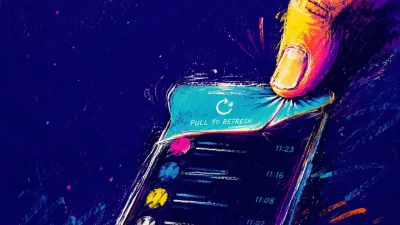
When Read Receipts Go Off: From Doom-Refreshing to Direct Texts

Finding Clarity in the Hot Phone on the Counter
You notice they turned off read receipts right after you sent something even slightly vulnerable, and suddenly you’re doing response-time math like it’s your full-time job.
Jordan (name changed for privacy) arrived at my café in Toronto with that particular kind of careful posture—shoulders held a little too high, phone gripped like it might buzz at any second. The espresso machine sighed behind me, and the whole place smelled like burnt sugar and citrus peel from the orange twists I’d set out for the evening crowd.
They described it exactly like a scene I’ve watched play out at a hundred tables over twenty years: 8:47 PM in a condo kitchen, the stovetop fan humming, garlic hitting the pan, and the phone face-up on the counter. A vibration. A quick wipe of hands on a dish towel. The chat opened. No “Read.” And then the loop—refresh, scroll up, reread the last sentence like it might reveal a hidden crime.
“I hate that I care this much about a setting on a phone,” Jordan said, staring at the table instead of me. “But the second there’s no read receipt, my brain goes, ‘Okay, they saw it and they don’t care.’ And then I’m… stuck.”
The dread didn’t sound like a dramatic story. It sounded physical: a tight chest that refused to soften, and restless hands that kept reaching for the phone the way your tongue goes to a sore tooth. Under that, I heard the contradiction that makes modern dating feel like walking on polished ice: craving reassurance and closeness vs fearing being ignored or replaced.
I poured them a small cortado—warm enough to hold, strong enough to feel—and kept my voice gentle and plain. “We’re not here to judge the reaction,” I said. “We’re here to understand the pattern. Let’s draw a map through the fog—something you can actually use the next time the chat goes quiet.”
Choosing the Compass: The Transformation Path Grid (6) Spread
I asked Jordan to take one slow breath—not as a ritual for the universe, but as a reset for the nervous system. I shuffled slowly, the way I do between espresso orders, letting the sound of the cards be a kind of metronome: here, now, this question.
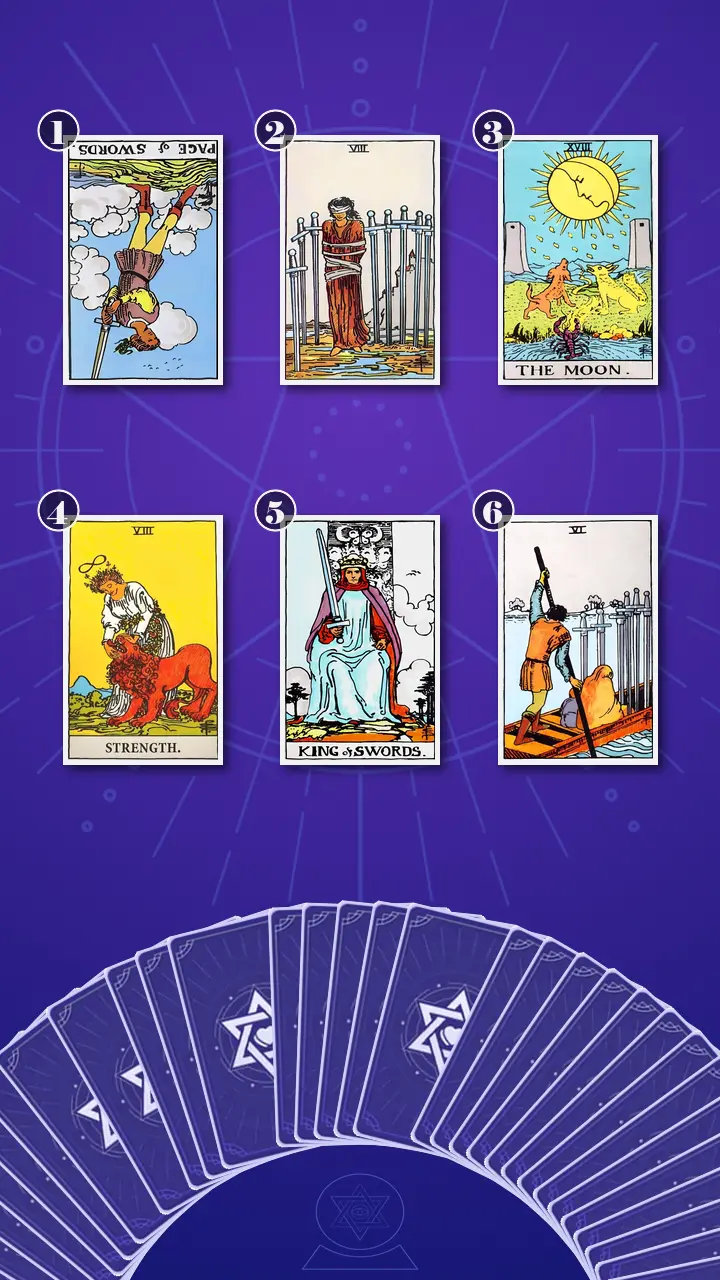
“Today, we’ll use a spread I call the Transformation Path Grid (6) · Context Edition,” I told them. “It’s a 2-by-3 grid. Top row is the loop: trigger → trap → story. Bottom row is the exit: regulate → speak → move forward.”
For anyone reading this who’s ever Googled why do I spiral when someone turns off read receipts?—this spread is built for exactly that. This isn’t about predicting whether they’ll reply. It’s about identifying the internal attachment loop and interrupting it with something reality-based and kind.
I pointed to where each card would land. “Position 1 is your immediate digital reflex. Position 2 is the thought trap—what makes the ambiguity feel unbearable. Position 3 is the repeating attachment story underneath. Then we drop down to Position 4: what stabilizes you before you act. Position 5 is what to say or do next. Position 6 is integration—what it feels like when you’re not living inside the thread.”
Reading the Top Lane: The Digital Ambiguity Spiral
Position 1 — The Reflex: Page of Swords (reversed)
“Now we turn over the card that represents your surface trigger behavior: what you immediately do when you notice read receipts are off,” I said.
The Page of Swords, reversed.
I tapped the card lightly. “This is the second you notice read receipts are off, and your brain goes into signal recovery mode: reopen the chat, check timestamps, check if they’re active on Instagram, reread your last message for anything that could sound ‘too much,’ draft follow-ups you don’t send—because checking feels safer than asking.”
Reversed, the Page’s Air energy isn’t curiosity anymore. It’s a blockage: information hunger becomes surveillance. Like watching the green dot on Instagram Stories the way people watch stock prices—except the ‘price’ is your sense of being wanted.
Jordan let out a small laugh that landed bitter. “That’s… rude,” they said, rubbing a thumb along the edge of their phone case. “It’s true, but it’s rude.”
I nodded, not taking it personally. “It’s not the read receipt—you’re reacting to what missing certainty has meant before. The Page reversed isn’t you being ‘crazy.’ It’s your nervous system trying to prevent rejection by becoming a detective.”
Position 2 — The Trap: Eight of Swords (upright)
“Now we turn over the card that represents your mental/emotional blockage: the thought trap that locks you into a loop,” I said.
Eight of Swords, upright.
“Here’s the bind,” I told them, keeping my voice steady. “You feel trapped between two fears: asking for clarity will make you look needy, and not asking means you’ll keep feeling invisible. So you do neither—you freeze, keep monitoring, and let your internal rulebook run the show: Don’t double-text. Don’t care too much. Don’t show you need anything.”
This is Air again, but tighter—like ten browser tabs open in your brain and none of them are the truth. The Eight of Swords isn’t an external prison. It’s a self-imposed Terms & Conditions you never agreed to, yet somehow you’re living by them like law.
I mirrored the rhythm of the loop, because naming it breaks its spell: refresh → reread → draft → delete. Refresh → reread → draft → delete. Externally, you look chill. Internally, your chest is tight, your jaw is clenched, and your hands keep hovering like you’re about to touch a hot stove.
Jordan’s shoulders rose as if bracing for impact, then dropped a millimeter. “I don’t want to double-text,” they said, “but I also don’t want to feel invisible.”
“Exactly,” I said. “And the trap convinces you there’s no clean option—so checking becomes the only ‘allowed’ movement.”
Position 3 — The Story Root: The Moon (upright)
“Now we turn over the card that represents the repeating attachment story root: the underlying fear narrative you project onto silence,” I said.
The Moon, upright.
“With no read receipt,” I said, “your mind fills the gap with an old script: They saw it and don’t care. I’m embarrassing. I’m being replaced. The trigger isn’t the setting—it’s what ambiguity wakes up in you: past slow fades, old insecurity, the fear that uncertainty will confirm you don’t belong.”
In my café, moonlight has a way of making everything look like a confession—steam in the window, streetlights fogged by breath. The Moon’s message is that low light makes shadows feel like certainty.
I leaned in, soft but direct. “Low information isn’t bad information. It’s just space.”
Jordan swallowed. Their eyes went slightly unfocused, like they were watching an internal trailer. “It’s like… my brain does autocorrect,” they said quietly. “It turns ‘no data’ into ‘bad news.’”
“Yes,” I said. “And that autocorrect is an attachment story. Not a prophecy.”
When Strength Put the Phone Face-Down
Position 4 — The Stabilizer (Key Card): Strength (upright)
I paused before turning the next card. The café’s background noise thinned for a second—someone closed a laptop, the espresso grinder stopped, and the quiet felt deliberate.
“We’re flipping the hinge card now,” I told Jordan. “The one that changes the whole exit path.”
“Now we turn over the card that represents your key stabilizer: the inner resource that helps you self-regulate before you act or interpret.”
Strength, upright.
“This is the physical reset,” I said. “Phone down, hand on chest, slow exhale, shoulders unclench. You let the panic exist without shaming it. The moment you can hold the feeling gently, the urge to ‘solve’ the chat loses power—and you regain choice.”
Strength is Fire, but not explosive Fire. It’s the quiet heat that keeps a café warm in February. It’s courage that looks like patience.
And this is where my coffee-language becomes more than cute—it becomes diagnostic. “Jordan,” I said, “right now your attachment system is pulling espresso shots all day. Fast, intense, concentrated. A missing ‘Read’ hits and your body wants an immediate jolt—anything to end the uncertainty.”
“Strength is you learning to make the feeling into a latte instead,” I continued, “not by diluting it into denial, but by giving it steadiness—warmth, breath, a gentler pace. You still feel it. You just don’t let it scorch you.”
Setup
Jordan’s face tightened with recognition—11:56 PM, room lit only by the phone, rereading the same thread like it might finally explain their worth. They were stuck in that specific kind of decision fatigue: Should I check again? Should I text? Should I wait? If I do the wrong thing, I’ll ruin it.
Stop treating the missing read receipt as a verdict, and start practicing Strength—soft hands, steady breath, and a calm inner hold before you reach for the phone.
Reinforcement
The words landed in Jordan’s body before they landed in their thoughts. I watched it happen in a small three-beat chain: first, a tiny freeze—breath caught high in the chest, fingers stilling on the edge of the table. Then the mind trying to negotiate—eyes flicking away as if searching for a loophole, the old rulebook whispering, But if I don’t monitor, I’ll miss the moment they prove they care. And then, finally, the release—an exhale that sounded like their shoulders dropping from a hook.
They blinked hard once. Their mouth opened, closed, then opened again. “But… if I stop treating it like a verdict,” they said, and there was a flash of irritation in it, “does that mean I’ve been wrong this whole time? Like I made it up?”
I kept my hands visible on the table—soft hands, like the card. “It doesn’t mean you made it up,” I said. “It means your nervous system learned a strategy to survive uncertainty. Strength isn’t calling you dramatic. Strength is saying: you don’t have to punish yourself for feeling the surge. You can soothe first. Interpret later.”
I offered a simple experiment, not a lecture. “Try this once today,” I said. “Set a 60-second timer. Put the phone face-down. Hand on chest. Exhale slower than you inhale. Say one fact out loud: ‘I sent a message. I don’t have a reply yet.’ If it feels too activating, stop—no pushing through. When the timer ends, you choose: check once, send one clear question, or step away. The win is choosing, not reacting.”
Then I asked the question that turns insight into memory. “Now, with this lens,” I said, “think back to last week. Was there a moment where the missing ‘Read’ became a verdict in your head—where Strength could have changed the next five minutes?”
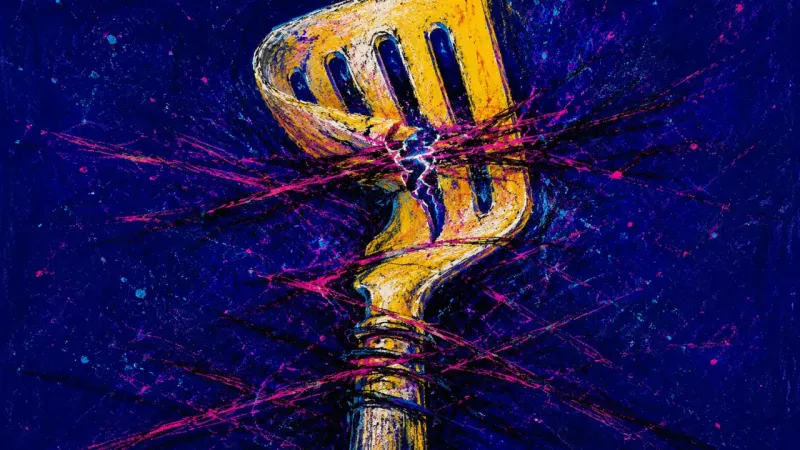
Jordan stared at the Strength card, then nodded once, slow. “Tuesday,” they whispered. “I was literally holding a spatula. And I checked anyway. Like my hands didn’t belong to me.”
“That’s the exact moment,” I said. “This isn’t just about a decision. It’s a step in your emotional transformation—from proof-chasing dread and shame to self-soothed steadiness and direct, respectful clarity.”
Position 5 — The Clarity Move: King of Swords (upright)
“Now we turn over the card that represents your actionable next step: a clear communication or boundary move that replaces mind-reading,” I said.
King of Swords, upright.
“This is what happens after Strength,” I told them. “Not instead of it. The King doesn’t demand reassurance. The King asks for real information.”
I used the modern scenario directly, because Jordan needed something they could actually send without cringing. “You replace decoding with one direct, calm question: ‘Hey, I noticed read receipts are off—do you prefer less texting pressure?’ Or ‘Consistency matters to me—what’s your texting style?’ You’re not accusing. You’re gathering reality.”
I watched their posture shift—still wary, but less trapped. “Clarity is a request, not a test,” I added. “You don’t stack follow-ups. You don’t turn it into an interrogation. One clean sentence. Like sending one clear email instead of rewriting drafts forever.”
Position 6 — The Integration: Six of Swords (upright)
“Now we turn over the card that represents your integration outcome: how it feels when you relate to uncertainty with more security,” I said.
Six of Swords, upright.
“This is the crossing,” I said. “Not a magical disappearance of sensitivity—just a calmer passage. The thread can be quiet without hijacking your whole evening. You still have thoughts, but they’re quieter—carried, not weaponized.”
I pointed at the swords in the boat. “You don’t throw your mind overboard. You just stop letting it swing like a weapon at yourself.”
Jordan gave a small, tired smile—the kind that says, I want that.
The Two-Lane Bridge Out of the Spiral (Actionable Advice)
I leaned back and let the whole grid speak as one story.
“Here’s the arc I see,” I said. “When read receipts turn off, the Page of Swords reversed kicks in—signal-scanning, response-time math, app-hopping for micro-data. That scanning feeds the Eight of Swords: the internal rulebook that says you must look chill, must not ask, must not need anything. Underneath, The Moon runs the real movie: silence becomes a storyline about being ignored, replaced, or ‘too much.’ Strength is the hinge—self-regulation that makes uncertainty survivable. Then the King of Swords gives you a clean sentence. And the Six of Swords is you returning to your life, carrying the lesson without drowning in it.”
“Your cognitive blind spot,” I added, “is thinking that monitoring is the same as protecting yourself. The transformation direction is simpler: shift from ‘I need proof to feel safe’ to ‘I can self-soothe first, then ask for clarity directly.’”
I slid them a napkin—my most honest notepad in this place. “Let’s make this practical. Small steps. Repeatable steps.”
- The 60-Second Strength PauseBefore you open the thread again, set a 60-second timer. Put your phone face-down (literally). Place one hand on your chest and exhale slower than you inhale. Say one verifiable fact out loud: “I sent a message. I don’t have a reply yet.”If 60 seconds feels like too much, do the “espresso shot” version: 30 seconds. You’re not trying to feel amazing—you’re trying to regain choice.
- One No-Check Window (20–30 Minutes)Once this week, after you send a message, put your phone in another room, face-down. Pick a physical anchor for the window: wash dishes, take a short walk around the block, shower, or stretch for five minutes and then keep going until the timer ends.Pre-plan the fear: tell yourself, “I’m allowed to check when the timer ends.” Paradoxically, permission makes it easier not to doom-refresh.
- The King of Swords Clarity Text (One Clean Sentence)Only after you feel a little more regulated, send one direct, non-accusatory message about texting style: “Hey—quick check: do you prefer read receipts off / less texting pressure? I do better with a bit of consistency, so I just want to understand your style.”Save it as a note or keyboard shortcut. And remember: one question is clarity; stacking follow-ups is the spiral wearing a suit.
Before Jordan left, I used one of my old café-owner tricks—what I call Conflict Sedimentation. “When espresso is gritty,” I told them, “you don’t fix it by shaking the cup harder. You let the grounds settle, then you taste again. Your thoughts are like that. Let them settle before you decide what the silence means.”

A Week Later: The Quiet Proof
Six days later, between a rush of oat-milk lattes and a regular asking for “the usual,” I got a message from Jordan.
“Did the Strength pause,” it read. “Hand on chest felt cringe for like five seconds. Then my shoulders dropped. I sent the clarity text. They said they keep read receipts off for everyone and they’re just a slow texter. I didn’t spiral all night. I still felt shaky, but… I cooked.”
In my mind, I saw the Six of Swords exactly: the same river, but a steadier crossing. Not perfect certainty—just movement away from the storm.
That’s the real Journey to Clarity I hope people take from tarot: not a guarantee about someone else’s behavior, but a new relationship with uncertainty. Soothe first. Interpret later. Then speak clearly—once.
When the chat goes quiet, it can feel like your whole body is holding its breath—craving closeness while bracing for the moment uncertainty ‘proves’ you’re not worth staying for.
If you didn’t need a screen to prove you’re safe—what’s one small, honest question you’d actually want to ask, just to return to reality?