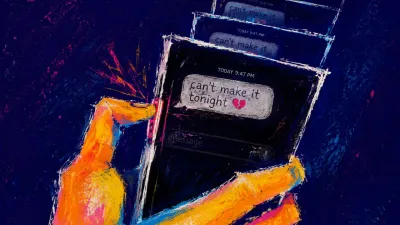
From Slow-Fade Uncertainty to One Direct Text: Setting a 48-Hour Boundary
The 24–72 Hour Window on Line 1
If you keep opening the chat thread, closing it, checking Instagram activity, then reopening Notes to rewrite the same text—because texting first feels like “looking desperate,” I already know the exact kind of tired your body is carrying.
Jordan met me on a video call from Toronto, her camera angled like she’d tried to look casual and then given up. She was 29, a marketing coordinator, and her voice had that careful brightness people use when they’re trying not to show how much something matters.
She described an 8:47 a.m. Monday on the TTC Line 1 heading south—wedged between backpacks and winter coats, brakes screeching, fluorescent lights turning her phone screen into a little mirror. She opened the chat, saw the same last message, felt her chest tighten, and then—almost involuntarily—switched to Instagram to see if they were active. “I’m literally doing laps between apps,” she said, like she was confessing a petty crime.
“It was such a good date,” she added, and then her mouth did this small, disbelieving twist. “So why does this feel worse than a bad one?”
What sat between us wasn’t a simple text or don’t text problem. It was the core contradiction I hear all the time in modern dating: wanting clarity and momentum after a genuinely great date, while fearing rejection—and fearing looking like too much if you reach out first.
Her uncertainty wasn’t an abstract emotion. It lived in her body like a tight chest and a restless, buzzing urge that made her thumb feel magnetized to her phone—like the device was humming, “Check again, check again,” even when the screen was dark.
I softened my voice. “You’re not ‘crazy’—you’re stuck in a data hunt for an answer only behavior can give. Let’s make this simple and kind. We’re going to take a journey to clarity: one honest look at what’s happening, and one self-respecting next move.”
Choosing the Compass: Celtic Cross · Context Edition
I asked Jordan to take one slow breath with me—not as a ritual for magic, but as a clean transition. When your nervous system is buzzing, focus is the first medicine. I shuffled while she held the question in plain words: “After a great date turned into a slow fade… what’s my next move?”
“Today,” I told her, “we’ll use a spread called the Celtic Cross · Context Edition.”
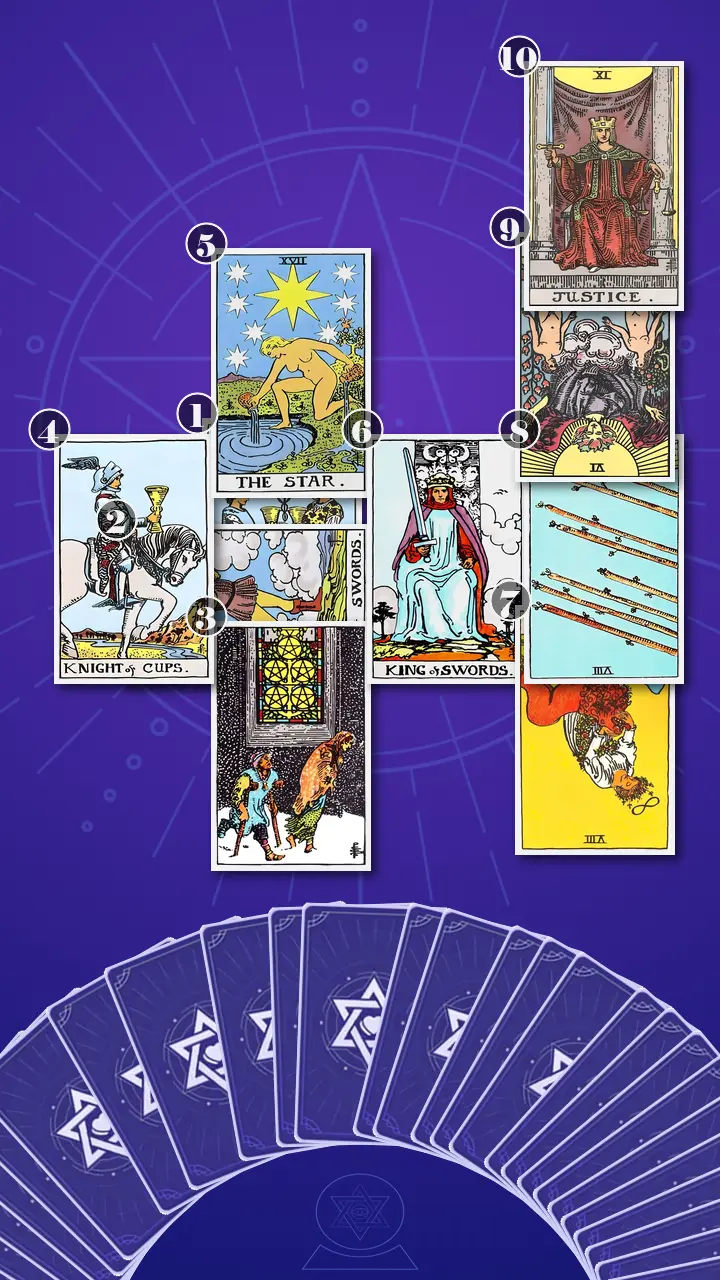
If you’re reading this because you’re stuck in that same 24–72 hour window, here’s why this spread works so well: the situation isn’t just strategy. It’s a whole system—hope, ambiguity, self-worth, and the modern rules we absorb from TikTok discourse about ‘don’t double text.’ A classic Celtic Cross shows the present, the friction, the deeper root, and the likely outcome. This Context Edition tweaks two positions so we can get specific: position 5 becomes the idealized story you’re protecting after a great date, and position 6 becomes a concrete next-move communication window—so the reading supports empowered action, not passive waiting.
“The first card,” I said, “will name what’s still true about the connection in real life—not what you hope, not what you fear. The crossing card will show what turns this slow fade into a trap. And the near-future card—our key card—will tell us the most aligned next move for the next week.”
Jordan nodded, but it was the kind of nod that still held tension in her jaw, like she was bracing for a verdict.
Reading the Map: The First Five Cards
Position 1 — What the connection currently is in lived reality
“Now we turn over the card representing what the connection currently is in lived reality—what’s still true about the date and the present contact.”
Two of Cups, upright.
I watched Jordan’s eyes soften before she even spoke. The Two of Cups is the receipt for mutuality: two people exchanging cups, a clear moment of reciprocity.
“This is the part where the date actually felt mutual,” I said, using the most modern translation I could give without diluting the card. “You both leaned in, you weren’t pulling teeth for conversation, and you left with that calm, bright feeling of ‘we were on the same wavelength.’ In real life, this looks like you replaying the easy banter on your walk home and thinking, ‘Okay, I didn’t imagine this.’”
Energetically, this card is balance. Not fantasy—balance. But in a slow fade, your body remembers reciprocity while your phone shows distance. That contrast is why it hurts.
Jordan let out a small laugh that had a bitter edge. “That’s… kind of brutal. Like, yes. It felt mutual. Which is why I’m spiraling.”
I nodded. “Connection happened isn’t the same as a promise. But it’s also not nothing. We hold it as truth without turning it into a contract you have to chase.”
Position 2 — The main friction that turns the slow fade into a trap
“Now we turn over the card representing the main friction—the real obstacle to your next move.”
Page of Swords, reversed.
Her shoulders rose toward her ears like she’d been caught. I’d seen that reaction before—the body recognizing itself.
“Your obstacle is detective mode,” I said. “You’re tracking read receipts, Story views, and reply timing, rewriting one message to sound perfectly casual, and trying to solve the slow fade like it’s a puzzle you can outsmart. The more you monitor, the less you trust your own clarity.”
In reversed form, the Page’s air-energy is blocked and scattered: too much mental motion, not enough truth landing in actual communication. It’s like running an A/B test on a single text message while refusing to actually ship the product.
I let my words move in quick cuts—the way this card feels in real life:
Messages → last timestamp → close. Instagram → “active now” → Story view. Notes app → three drafts titled “text ideas.” Group chat → screenshots, iMessage reactions like it’s evidence in a trial. Back to Messages. Back to Instagram. Back to Notes.
Jordan swallowed. Her thumb rubbed the edge of her phone off-screen, like the device was a worry stone. “I hate that you nailed the sequence,” she said. “I keep telling myself I’m chill, but I’m… not.”
“You want to connect,” I said gently. “But you’re trying to control the outcome before you risk a real bid for connection.”
Position 3 — The deeper root beneath the reaction to fading
“Now we turn over the card representing the deeper root—the fear or belief underneath the reaction to fading.”
Five of Pentacles, upright.
Outside my window, rain tapped the glass in a thin, persistent rhythm, like a quiet metronome. In my family’s old Highland way, we notice when weather echoes the inner landscape. This card always feels like cold.
“Under the texting anxiety is a belonging wound,” I said. “The silence doesn’t just feel inconvenient—it feels like being left out in the cold. You start assuming ‘no reply’ equals ‘I’m not chosen,’ and you treat connection like scarce currency you have to earn by being perfectly chill.”
Energetically, this is scarcity—a contraction. The card shows warmth behind stained glass, but the figures are outside, convinced they don’t get access.
Jordan’s eyes went unfocused for a second, like she’d replayed a Sunday night in bed: streetlight glow on the duvet, her phone warm from being picked up too often, the blank space where a reply should be. Then her throat bobbed as she swallowed it back.
“When I imagine texting first,” she said quietly, “it’s not even the message. It’s what their non-reply would mean.”
“Exactly,” I replied. “This root says: ‘If they fade, I’m out. I don’t belong.’ But that’s a story. And stories feel like facts when your chest is tight.”
Position 4 — The recent backdrop right after the great date
“Now we turn over the card representing the recent backdrop—the momentum and emotional imprint you walked in with.”
Knight of Cups, upright.
“Right after the date,” I said, “your heart was already on the second chapter: you were floating, romantic, imagining the next hang, replaying the cute moments. That momentum was real—but it can also make the later quiet feel like a sudden rug pull.”
Energetically, this is flow—water moving forward. The Knight offers a cup like an invitation. In modern dating, that invitation energy can make us build a whole season of a show from one very good pilot episode.
Jordan gave me a look that said: called out. “I literally thought, ‘Maybe this is finally something good,’” she admitted. “And then I felt stupid for thinking that.”
“Hope isn’t stupidity,” I said. “Hope is human. We’re just going to give it a container.”
Position 5 — Your conscious story of what this ‘should’ become
“Now we turn over the card representing your conscious story about what this should become—the ideal narrative you’re trying to protect.”
The Star, upright.
Even through a screen, I could feel her soften at this card. The Star is tender. It’s the part of us that wants to stay open in a world that keeps telling us to be “unbothered.”
“Your conscious story is hopeful,” I said. “‘Maybe they’re just busy. Maybe this is finally something good.’ You keep the door open because you want to stay soft and optimistic—but without a container, hope becomes waiting in the background of your life.”
Energetically, The Star is beautiful openness. But openness without boundaries can become endless outflow into uncertainty—like pouring water with no cup to catch it.
Jordan exhaled, long and thin. “That’s the thing,” she said. “I don’t want to be cynical.”
“You don’t have to be,” I answered. “We’re not replacing hope with coldness. We’re pairing hope with clarity.”
When the King of Swords Cut Through the Fog
Position 6 — The next move window (the most aligned way to act in 7–10 days)
I paused before turning the next card. “We’re about to flip the most important card in this reading,” I told her. “This is the bridge between your hope and your self-respect.”
“Now we turn over the card representing the next move window—the most aligned way to communicate or act in the next 7–10 days without abandoning yourself.”
King of Swords, upright.
The room—my room, her room—felt quieter, like everything had leaned in.
“Your next move is one calm, direct text that names interest and invites a real plan—no hinting, no testing, no three-paragraph explanation,” I said. “You speak like an adult who can handle the answer, then you let their response (or lack of it) be data.”
Energetically, this is clean air: balanced, steady, not frantic. It’s the mature evolution of the Page of Swords reversed. In my own work I call this Relationship Pattern Recognition—we identify the recurring script, then we write one new line that breaks it. Your old script is: audition for approval → monitor for clues → shrink your needs → feel more invested with less information. The King’s script is: speak plainly once → hold a boundary → let behavior answer.
In that moment, Jordan was right back on her commute—opening the thread, closing it, checking Instagram, reopening Notes—her body buzzing like it was waiting for a verdict. She was trapped between, “I could text,” and, “If I text first, I’m handing them power.”
Stop auditioning for approval and start speaking plainly—like the King of Swords, let one clear sentence cut through the fog.
Jordan’s face did a whole, honest sequence in real time. First: a brief freeze—her breath caught, and her eyes widened like the sentence had walked into the room uninvited. Second: her gaze drifted down and left, as if her brain replayed every unsent draft in her Notes app like a highlight reel. Third: something in her shoulders dropped a fraction, not relief yet—more like the first unclenching of a jaw that didn’t realize it was clenched.
“But…” she started, and there was a flash of anger in it, quick and protective. “If I do that, doesn’t it mean I’ve been doing everything wrong? Like I’ve been… embarrassing?”
I held her gaze. “No. It means you’ve been trying to stay safe in a system that rewards vagueness. And it means you’re ready to stop donating your week to suspense.”
Her lips pressed together; her eyes shimmered without spilling. She took a deeper breath this time, and it made her voice wobble on the next exhale. “I’m so tired of pretending I don’t care.”
I let that land. Then I asked, softly but directly: “Now, with this new lens—can you think of one moment from last week when you checked your phone and felt that chest-tight drop? If you’d had permission to be plain then, how would that moment have felt different?”
Jordan blinked, once, slowly. “Sunday night,” she said. “I reread the thread like it was homework. If I’d been… plain… I would’ve just asked for a plan instead of spiraling for hours.”
“That’s the shift,” I told her. “This isn’t about forcing a yes. This is moving from uncertainty and tension to grounded relief—because you acted with self-respect and let reality answer.”
The Staff of the Cross: What Your Body Knows
Position 7 — Your inner stance with uncertainty
“Now we turn over the card representing your inner stance—how you’re holding yourself, your confidence, and your boundary with uncertainty.”
Strength, reversed.
“Internally,” I said, “your confidence has been riding the notification rollercoaster. Without reassurance, you wobble between ‘I’m fine’ and ‘I need proof.’ The work here is tiny self-soothing before you act, so your next move comes from steadiness, not panic.”
Energetically, this is deficiency—not a moral failing, just a dip. In the image, the lion is your urge to check and chase. The lesson isn’t to kill the lion. It’s to hold it gently until you can choose wisely.
Jordan’s hand floated up to her chest without her noticing, like her body understood before her brain did.
Position 8 — The outer field (their behavior + context)
“Now we turn over the card representing the outer field—what their behavior and the wider dating context is actually showing.”
Eight of Wands, reversed.
“Externally, the pace is genuinely slow or inconsistent,” I said. “Messages don’t land, plans stay vague, momentum stalls. This isn’t all in your head—something about timing or effort isn’t aligning, which is exactly why waiting longer won’t magically restore flow.”
Energetically, this is stalled fire: motion without landing. It’s the modern experience of ‘energy’ that never becomes a date and time.
Jordan let out a tiny sound—half relief, half irritation. “So I’m not delusional,” she said.
“No,” I told her. “But you also don’t have to punish yourself with guesswork. We use timing as data, not as a prophecy.”
Position 9 — The hope/fear knot
“Now we turn over the card representing the hope/fear knot—what you secretly want and what you’re afraid it will reveal about you.”
The Lovers, reversed.
“Your hope/fear knot isn’t just ‘do they like me?’” I said. “It’s ‘what if the chemistry is real but the alignment isn’t?’ Part of you wants this to be the one good thing; another part fears that asking directly will reveal a mismatch and make you feel foolish.”
Energetically, this is imbalance: attraction pulling one way, values and consistency pulling another. The reversed Lovers asks for choice based on alignment, not just intensity.
“This is very Fleabag-coded,” Jordan muttered, and then she rolled her eyes at herself. “Like wanting connection without losing dignity.”
“Exactly,” I said. “And dignity isn’t a performance. It’s a boundary you keep.”
Position 10 — Integration (the healthiest resolution available)
“Now we turn over the card representing integration—the healthiest resolution available when you act with clarity.”
Justice, upright.
“The healthiest resolution is returning to a fair standard,” I said. “Weigh chemistry and consistency, then choose your investment accordingly. You stop grading yourself on being ‘cool’ and start grading the situation on observable effort and clarity.”
Energetically, Justice is balance and structure. Not harshness. Not denial. It’s the end of the fog. It’s receipts, not vibes.
Jordan stared at the screen like she was seeing something she’d forgotten she was allowed to have: a standard.
The One-Page “Justice List” and Your Next 48 Hours
I leaned back and threaded the whole story together for her—so it wasn’t ten separate cards, but one coherent map.
“Here’s what I see,” I said. “The Two of Cups says the connection on the date was real—mutual in the moment. The Knight of Cups and The Star explain why you walked away already writing the next chapter in your head: hope and romantic momentum. Then the slow fade hits, and the Five of Pentacles lights up that old fear of being left out—so your mind flips into Page of Swords reversed: monitoring, drafting, decoding. Strength reversed shows your steadiness dipping, so the urge to check gets louder. And the outside world—Eight of Wands reversed—confirms the pace is actually stalled. The resolution isn’t waiting harder. It’s King of Swords clarity, and Justice: a fair standard that protects your self-respect no matter what they do.”
“Your cognitive blind spot,” I added, “is believing that one clear text equals chasing. It doesn’t. One clear text isn’t chasing. It’s choosing clarity over suspense.”
Then Jordan frowned. “Okay, but… I can’t even do the ‘don’t check’ thing,” she said, practical now, not poetic. “I’m in back-to-back meetings. I’ll send it and then I’ll just stare at my phone between Zoom calls like a gremlin.”
I smiled, not at her—with her. “Good. That’s real. So we design your next move like a small experiment, not a personality overhaul.”
- The King of Swords Text (One Message, One Ask)Copy/paste this template and personalize the greeting: “Hey — I had a really great time the other night. Want to grab a drink this week? I’m free Wed or Sat.” Send it once, with a real invite (two options).Send it at a time you won’t be staring at your screen—right before a meeting, a workout class, or getting on the TTC. If you like a ritual, choose a “waxing” moment (early-week energy) as a symbolic start; if not, just pick a practical time and hit send.
- The 48-Hour Boundary (Make Waiting Boring)After you send it, set a 48-hour boundary: no follow-up texts inside that window. Put “48-hour boundary ends” in your calendar like an appointment.Pre-write one line in Notes for when your hand reaches for a double text: “No response is also a response; I’m allowed to step back.” Read it once, then do a five-minute task that moves your life forward (dishwasher, walk, shower, anything).
- The Justice List (Receipts, Not Vibes)Make two columns: “Chemistry facts from the date” vs “Consistency facts since the date.” Keep it concrete (times, behaviors, follow-through). Then write one baseline sentence: “Early dating effort that works for me looks like ___.”Limit the list to five bullets total. If hope tries to fill in blanks, pause and return to “facts only.” You’re not proving they’re bad—you’re protecting your clarity.
Before we ended, I offered one piece from my own toolkit—the way my family taught me to borrow steadiness from nature when the mind gets loud. “When you feel the urge-check hit,” I told her, “put one hand on your chest, take one slow exhale, and name it out loud: ‘uncertainty + hope + self-doubt.’ Not to fix it—just to stop it from driving.”
Jordan nodded, and this time the nod looked like a decision, not a plea.
A Week Later: Ownership, Not Certainty
Six days later, I got a message from Jordan: “Sent it. Wed or Sat. I literally pressed send right before a meeting so I couldn’t spiral. I still wanted to check, but I went for a walk at Harbourfront after work instead.”
She didn’t write a fairy-tale ending, and I didn’t need her to. The proof was in the energy shift: she’d stepped out of detective mode and into leadership—one clear sentence, one clean boundary, and her life back in her own hands.
She added one more line, almost as an afterthought: “I slept the whole night. Woke up and my first thought was still ‘what if they don’t answer?’—but then I laughed, because at least now I know what I’m doing either way.”
That’s the real journey to clarity: not certainty, but ownership. The King of Swords doesn’t promise you a yes—he promises you the dignity of not abandoning yourself while you wait for someone else to decide.
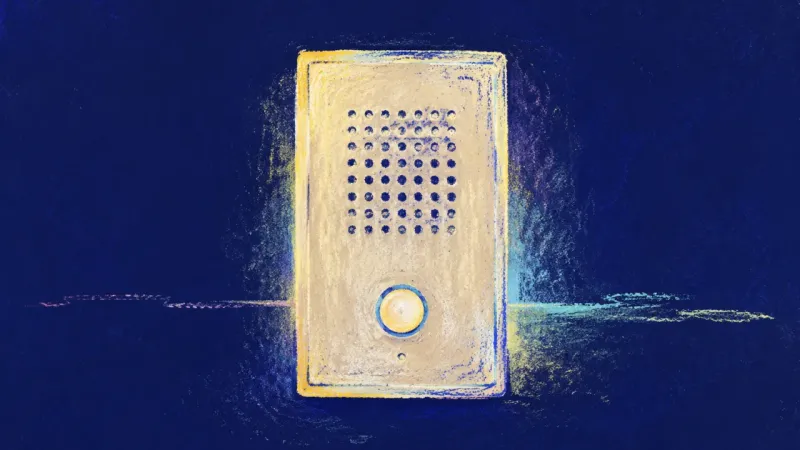
When a date feels mutual but the silence stretches, it can make your chest go tight like you’re standing outside a door you’re afraid to knock on—wanting to be chosen, while trying to look like you don’t need anyone to choose you.
If you let clarity be a single, self-respecting move—not a performance—what’s the one sentence you’d be willing to send (or the one boundary you’d be willing to keep) just to give yourself real information?