Blank Doc, Clean Dashboard, Three Bullets: Breaking the Notion Loop
The 8:13 a.m. Spiral of Redoing the Notion Setup
If you're a self-directed creative worker in a big city and your first open hour keeps disappearing into fixing a Notion dashboard before you touch the brief, I know how respectable that avoidance can look.
That was the exact texture of the question Jordan (name changed for privacy) brought me. They were a 27-year-old content strategist in Toronto, and when they described their weekday mornings, I could see the whole frame at once: 8:13 a.m., condo kitchen turned desk, coffee cooling too fast, the faint TTC rumble through the window, a blank Google Doc waiting behind Notion like a text you do not want to open. Their Arc browser was crowded with tabs—brief, Slack thread, Google Doc, template gallery, another template gallery just in case—and their fingers kept duplicating yesterday's board, swapping the emoji icon, testing a new priority property.
"I know this is procrastination," they told me, looking almost irritated with themself, "but it also feels weirdly responsible. I can start once the system feels clean."
What they were calling a productivity problem lived in the body first: shoulders climbing toward the ears, breath clipped short, jaw set, hand still clicking because clicking felt safer than committing. The dread had the texture of an airport security line installed across the chest—everything backed up, nothing boarding, and somehow the delay kept masquerading as procedure.
I nodded. "That makes sense to me," I said. "When the actual work can be judged, organizing the tool around it can feel like putting on gloves before touching a live wire. Let's not shame the loop. Let's map it. Our whole job today is to find clarity inside it, and give the power back to you."

Choosing the Runway: Finding Clarity with a Four-Card Tarot Spread
I asked Jordan to plant both feet on the floor, take one slow breath, and hold a single question in mind: why does redoing my Notion setup make me avoid the actual work? Then I shuffled. For me, this part is not about theater. It is a mental threshold. A breath, a shuffle, a quiet beat—just enough to stop the inner tab-switching and let the real pattern come forward.
I chose a Situation-Obstacle-Advice-Outcome spread. This is exactly the kind of four-card tarot spread I use for productive procrastination, perfectionism, and creative block when the problem is precise rather than all-encompassing. A bigger spread would have added noise. This one lets me trace the full chain cleanly: the visible symptom, the underlying control pattern, the catalytic shift, and the practical integration that follows.
This is how tarot works when I trust it most: not as fate, but as a structured mirror. Card meanings only matter in context. Here, the first position would show where getting organized is replacing the first risky contact with the work. The second would reveal what kind of fear or control need is hiding underneath. The third—our catalyst—would show the exact energy that breaks the loop. And the fourth would tell me what a healthier workflow looks like once Notion stops gatekeeping and starts supporting.
The Cards That Named the Hiding Place
Position 1: The Dashboard That Looks Like Work
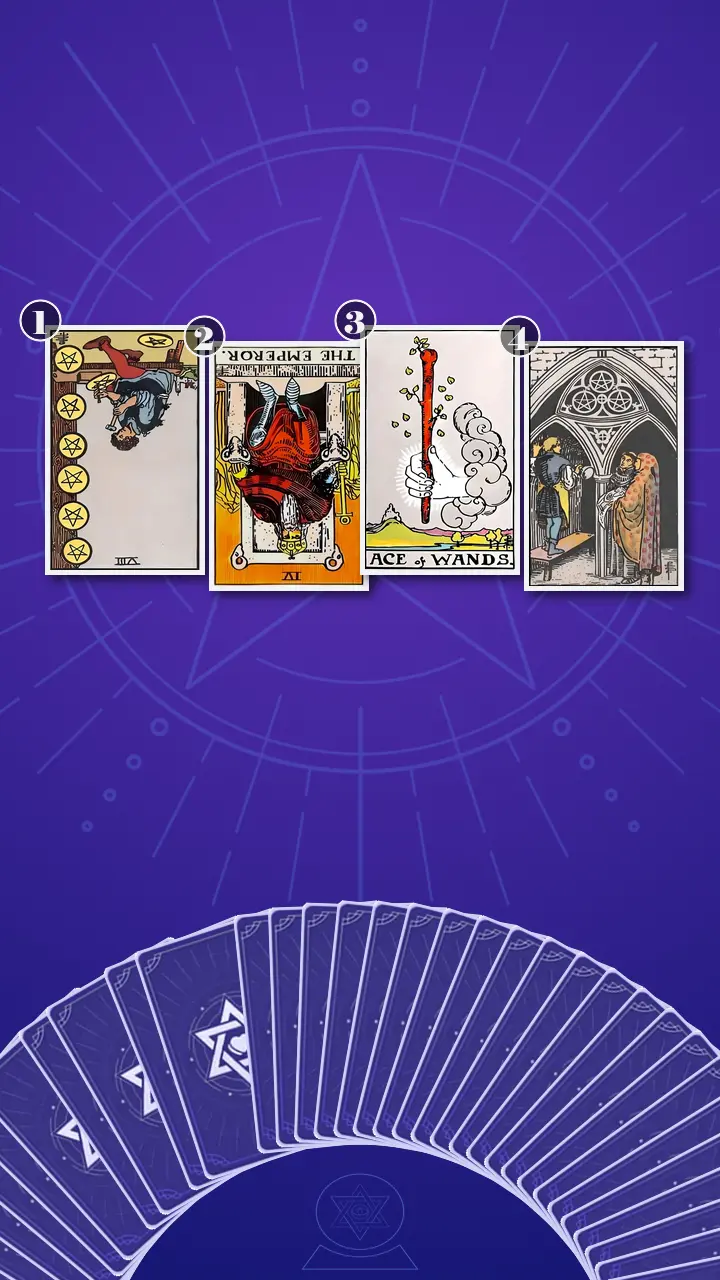
Now I turned the card representing the surface symptom: the specific pseudo-productive behavior that had been running the show. It was the Eight of Pentacles, reversed.
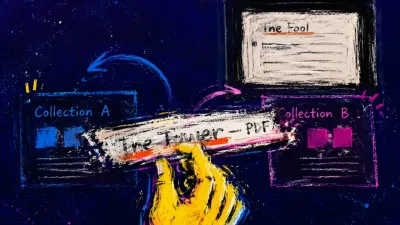
In modern life, this card is almost painfully literal. At 8:15, Jordan opens the campaign brief, feels the sting of a blank first draft, flips to Notion, duplicates the content calendar database, renames tags, sharpens the header, and forty minutes later the workspace is cleaner while the deliverable is still untouched. The row of pentacles becomes polished database views on display. The workbench becomes the dashboard itself.
Reversed, this is earth energy misapplied—effort without contact, detail without traction, labor routed into maintenance instead of craft. It looks responsible because it is organized. It is still avoidance.
As I said that, I had one of those private flashes left over from my years under a planetarium dome. I used to explain retrograde motion to school groups: from where you stand, a planet can seem busy, strange, even dramatic, while the deeper truth is simply that you are watching an orbit from too close. Jordan's mornings had that same false motion. A lot was happening. Nothing was actually moving forward.
Jordan let out a short laugh that landed with a scrape in it. "Okay," they said. "That is literally my morning. Blank doc in one tab, Notion in the other, and me telling myself I'm setting things up properly." Their fingers tapped once against the mug, then stopped.
Position 2: The Inner Manager in Body Armor
Next came the card representing the core blockage: the psychological mechanism beneath the behavior, especially the control-based fear underneath the setup ritual. The Emperor, reversed.
If the first card showed Notion procrastination, this one showed the gatekeeper behind it. Under the setup obsession was an inner manager that would not approve the task until the whole process looked controlled. A single article, brief, or strategy deck got treated like enterprise software. In Jordan's own logic, it had to feel clean before it deserved attention.
Reversed, the Emperor is structure in excess: rigid, armored, overbuilt. I could feel the card's stone throne and severe posture translating straight into the body Jordan had described—jaw clenched, shoulders locked, tabs lined up like checkpoints. It reminded me of a Severance-style middle manager installed inside the psyche, monitoring process so tightly that nothing alive gets started. A clean dashboard can be a very pretty hiding place.
I asked softly, "The last time you reorganized instead of starting, what judged outcome were you quietly trying not to face?"
Jordan went still in a three-beat way I have learned to trust. First their breath paused. Then their eyes slid away from the screen, as if replaying a morning I could not see. Then their shoulders dipped a fraction and they said, much quieter, "That if I opened the deck and the first idea sounded basic, it would say something true about me."
There it was. Not laziness. Not lack of discipline. Control being used as a shield.
When the Sprouting Wand Touched the Blank Doc
Position 3: The Catalyst That Breaks the Loop
When I turned the third card, the reading changed temperature. A strip of afternoon light moved across my table and landed directly on the image, so that after all the stone, repetition, and closed structure of the first two cards, this was suddenly the warmest thing in the room. This was the position of the key shift—the energy that helps a person begin before feeling perfectly prepared. The card was the Ace of Wands, upright.
Jordan was still caught in the old equation: if the dashboard is clean, I will be ready; if the draft is messy, I will be exposed. So the mind kept trying to earn safety through setup. But the Ace does not negotiate with that equation. It interrupts it.
You are not waiting for a perfect dashboard to grant permission; pick up the sprouting wand and let one real action light the path.
I let that sit between us for a second. Then I gave them the shorter line underneath it. "Your system is not your permission slip."
In my practice, I sometimes use what I call a Cognitive Development Cycle Audit. I am less interested in whether a habit looks organized than in which stage of thought it keeps someone trapped inside. Jordan's thinking had stalled in the pre-contact stage: endless iteration before reality had been touched. Clean tags, new templates, prettier views—those gave synthetic feedback, not creative feedback. They created the feeling of movement without the information only the work itself can give. Ace of Wands asked for the next stage in the cycle: contact. Open the file. Leave a mark. Let that count.
Jordan's reaction came in layers. Their hand froze halfway to the mug. Their eyes unfocused, then sharpened, as if a week of mornings had just replayed at high speed. Then they exhaled so slowly I could almost hear the unclenching in their chest. Right after that came a flash of irritation. "That is... honestly annoying," they said, with a small, almost angry smile. "Because it means the dashboard was never going to save me."
"No," I said, keeping my voice gentle. "It means you built a protection ritual that made sense for a while. We are not calling you foolish. We are noticing that the ritual has started gatekeeping the very competence it was trying to protect."
I asked, "Using this lens, can you think of one moment last week when one ugly line in the real file would have changed the whole block?"
Jordan did not answer immediately. Their gaze dropped; one thumb rubbed the edge of the notebook beside them. "Monday," they said. "If I'd written even three trash bullets before opening Notion, I think the spell would've broken."
That was the real crossing. Not from disorganization to discipline, but from dread-driven setup rituals to a first, steadier form of self-trust. Not certainty. Just live contact.
Blueprint After Bricks
Position 4: The Workflow That Supports the Build
The final card represented embodied direction: what integration looks like when tools support execution and self-trust starts rebuilding through real work. It was the Three of Pentacles, upright.
I loved the logic of it immediately. The spread began with distorted earth—labor without progress, structure without flexibility. Now earth returned in healthier form. In modern terms, this is Notion used as a plain sprint board after the build has started, not before: one next step, one deadline, one feedback loop. The blueprint exists, but it follows the stonemason. It does not replace them.
"Track the next step, not the whole identity of the project," I told Jordan. "That is Three of Pentacles energy. A working jobsite. Scaffolding around a building that is actually going up."
This card carries balance rather than blockage. No extra cement. No missing structure. Just enough support to keep real momentum visible. Jordan's jaw loosened when I said that. "So the tool is not the problem," they said. "It is when I ask it to make me feel invulnerable."
"Exactly," I said. "Once the work has shape, the system can help. Before that, it can become a stage for self-testing."
From False Readiness to Real Momentum
When I laid the four cards together, the story was remarkably clean. The reversed Eight of Pentacles showed the ritual: polishing the container while the craft stayed untouched. The reversed Emperor showed the motive: a rigid inner ruler trying to prevent the vulnerable sight of imperfect work. The Ace of Wands brought the missing fire—initiation, creative courage, one live mark. And the Three of Pentacles grounded that spark into a workflow that served the build instead of replacing it.
The blind spot was subtle but powerful. Jordan had been reading relief as readiness. A cleaner dashboard lowered the panic for a minute, so the mind kept calling it preparation. But relief is not the same thing as momentum. The direction of change was clear: shift from using organization to feel ready toward starting one imperfect work step first and simplifying the system afterward. Or, in plainer language, stop polishing the toolbox while the house stays unbuilt.
I gave Jordan a Cycle Navigation framework I use when thought gets stuck in low orbit: first contact, then capture, then only the lightest structure. I also asked for long-term logical consistency. If their real vision was clear, shippable strategy work, their system needed to reward visible output more than aesthetic control.
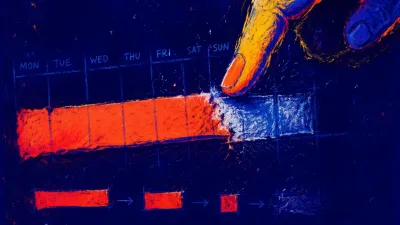
- Deliverable-First OpenAt the start of your next morning work block, open the actual brief, deck, or Google Doc before Notion and spend 10 minutes making one live mark: one ugly paragraph, one rough slide title, or three blunt bullets.Label the timer "live contact." Keep a small Later Setup list beside you for any urges to tweak the system. If 10 minutes feels too exposed, shrink it to 3.
- Two-Step ScaffoldFor one meaningful project this week, write only the next two physical actions in a note or one plain text block: Open brief -> draft three possible headlines. Begin step one before adding any new tags, relations, properties, or views.If your brain says this is too messy to trust, remind it the list is temporary on purpose. The goal is motion, not elegance.
- Post-Work Workflow CheckAfter a real work sprint, give Notion 5 to 10 minutes only. Update just three fields for the active project: next step, deadline, and waiting-on or feedback. Hide extra views for the week instead of redesigning them.Log what you actually made, not what you reorganized. That is how self-trust starts becoming evidence instead of aspiration.
I summed it up in the shortest sentence I could give them: start ugly, then organize honest.

A Week Later, the File Opened First
A week later, Jordan sent me a message that made me smile because it was so ordinary, which is how real change usually looks. "Opened the brief first," they wrote. "Three ugly bullets. Then a rough subhead. Wanted so badly to fix the board. Didn't." They had hidden four unused views, left the homepage plain, and let one client deck become the thing the system followed instead of the thing it kept postponing.
The bittersweet part was still there. The next morning, their first thought was, what if this sounds basic? But this time they laughed, opened the file anyway, and let the question sit in the passenger seat.
The cards did not create that paragraph. Jordan did. What the Situation-Obstacle-Advice-Outcome spread gave us was not permission, but sequence: symptom, blockage, spark, embodiment. Once the sequence was clear, the choice belonged to them again.
After years of teaching people to look up at moving planets, I have become very loyal to this truth: a stuck orbit is not the same as destiny. Sometimes you are not broken. You are just repeating a protective loop that has mistaken preparation for safety.
Clarity is rarely a thunderclap. More often it is the moment the blank document stops feeling like a verdict and becomes a place where you can leave one living mark. When the cursor is blinking and your shoulders are already tight, cleaning the system can feel safer than letting one imperfect line reveal how human your work process actually is.
If the dashboard did not get to play gatekeeper today, what tiny sprouting-wand move—a rough headline, a blunt bullet list, one imperfect line—would you be curious to touch first?
Every reading at AceTarot is a Journey to connect with inner wisdom and empower next step.
Learn more about our Journey to Clarity.