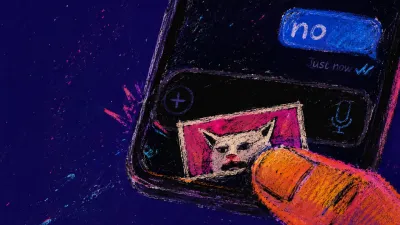
From Panic at 'I'm Outside' to a Clearer Yes, No, or Not Now
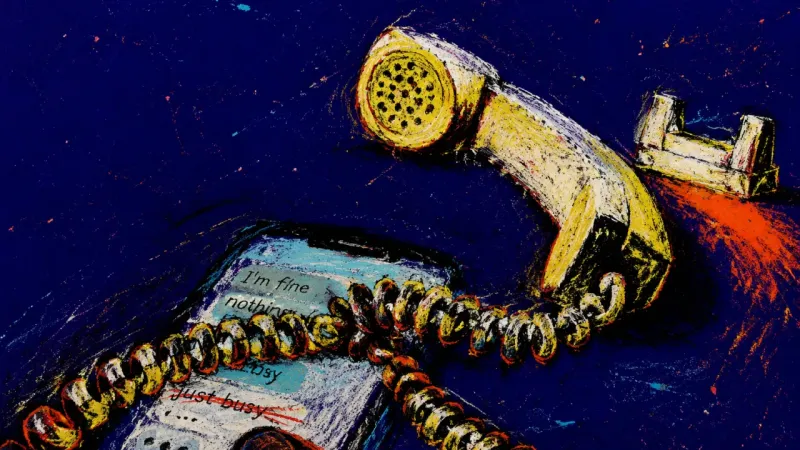
When “I’m Outside” Feels Like a Tiny Emergency
If you can handle a Figma critique but still read “I’m outside,” lock your phone, and wonder why do I panic when a friend says I’m outside, I hear your question in my café all the time. That specific jolt has a name in my mind: surprise-contact boundary panic.
Casey (name changed for privacy) sat across from me after the lunch rush, hands around an untouched cappuccino, and said, “I know it should be a normal text, but my whole body acts like I did something wrong.”
She told me about 8:47 p.m. on a Tuesday in her Toronto condo kitchen: phone face-up on the counter, kettle clicking off, streetcar brakes hissing through the window, overhead light buzzing like it had opinions. The screen lit with “I’m outside.” She picked up the phone, locked it again, and just stood there in socks staring at a cabinet handle while the tea bag went bitter.
One short text, and her body became a condo intercom wired inside her chest before her mind could even form a sentence. Her chest cinched tight, her stomach dropped, and beneath the panic sat something quieter and meaner: guilt, because she did want the friend in her life—just not through a doorway that made choice feel already gone.
“If you’re already outside,” she said, looking down at the foam ring in her cup, “I feel like I’m already late to a decision.”
I nodded. “That makes sense. We’re not here to judge the alarm. We’re here to see what set it off, and then give your adult self the map back. Let’s do a journey to clarity—one that helps you answer from choice instead of from the adrenaline spike.”
Choosing the Ladder for Surprise-Visit Anxiety
I asked Casey to take one slow breath, keep the exact text in mind, and shuffle while the espresso machine cooled behind us. In my practice, that pause isn’t theatre; it’s the moment the body stops chasing the notification long enough for the mind to catch up.
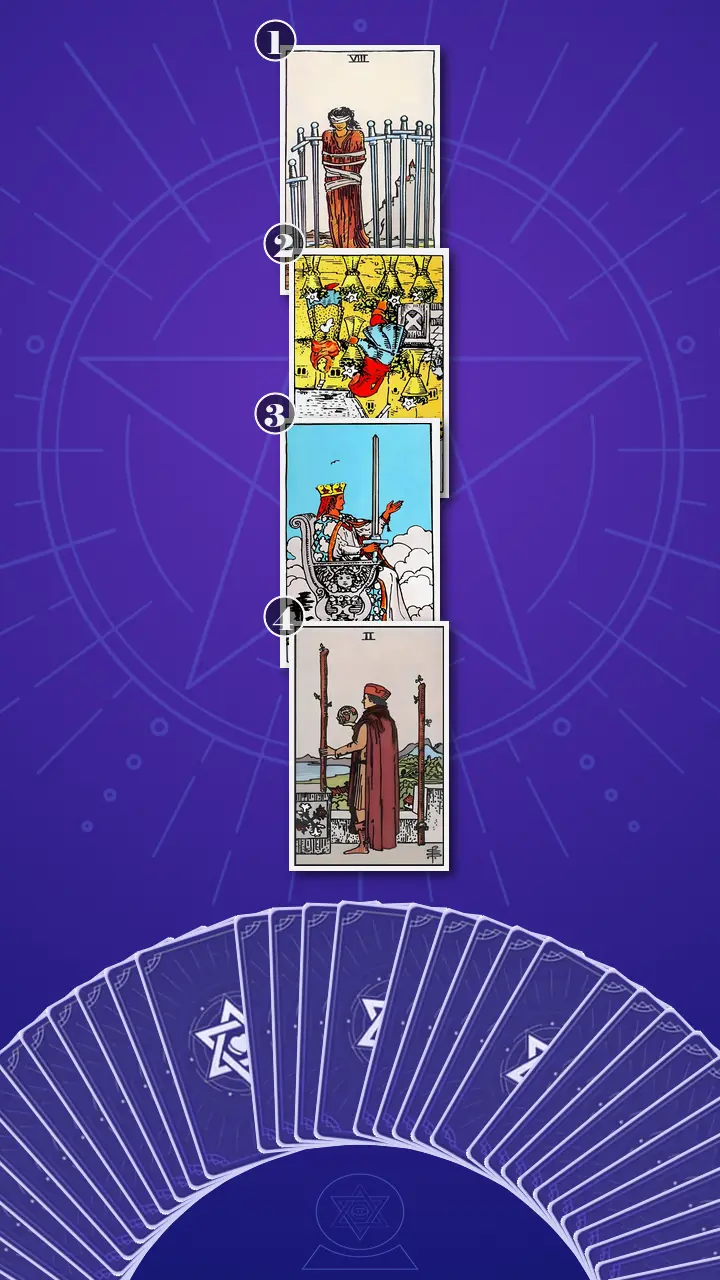
For her, I chose the Four-Layer Insight Ladder · Context Edition. When someone asks what old fear got activated by one tiny trigger, I don’t need prediction or a sprawling Celtic Cross. I need the smallest spread that can hold symptom, root fear, inner shift, and response without dramatizing the situation.
The first card would show the immediate freeze—the part of the night where choice seemed to vanish. The second would reveal the older relational imprint underneath it. The third, the key card, would name the inner shift that restores adult boundary-making in real time. The fourth would turn that insight into a grounded next step: how to reply to surprise contact without self-betrayal or over-explaining.
Reading the No-Choice Story
The Text That Pretends Choice Is Gone
Now I turned over the card representing the immediate freeze response triggered by “I’m outside,” including the sense that choice has vanished. It was the Eight of Swords, upright.
I told Casey this card is almost painfully literal for unexpected-text panic. In her modern life, it looks exactly like standing in her apartment after work, still half in decompression mode, and reading one short message as if the case is already closed: someone is here, therefore a decision has already been made, therefore I am behind. It is the brain turning a casual text into a Black Mirror-style push-notification crisis.
Energetically, this is blocked Air. Thought stops being a tool and becomes a cage. The blindfold on the figure is the single meaning panic gives the text—obligation. The loose bindings and the gap between the swords are the options still available in real life: reply later, say no, ask for notice next time, or simply take ninety seconds before doing anything.
As I spoke, I brought in the apartment-threshold image on purpose: deadbolt, peephole, elevator ding, unread message, phone locked and unlocked again. “The spiral says, ‘They’re here. I’m late. I owe a reply,’” I told her. “But presence is not permission. Your body can panic without getting the final vote.”
Casey’s reaction came in three quick beats. First her breath paused. Then her eyes drifted past me to the dark café window, as if replaying every time she’d checked the lock for no real reason. Then she gave a short laugh with bitterness under it. “Wow,” she said. “That’s accurate enough to be a little rude.”
I smiled. “Only because the card is naming the trap cleanly. The feeling of being trapped is real. The total lack of options is not.”
Adult Phone, Younger Body
Next I turned over the card that reveals the older fear or relational imprint making an ordinary surprise feel emotionally bigger than it is in the present. It was the Six of Cups, reversed.
This is the part people miss when they ask why an unannounced visit or a simple “you home?” text makes them freeze. The friend may be casual, but the body is not reacting to only the friend. In Casey’s life, this card looked like the adult apartment getting overlaid with an older house rule: if someone wants something from you, be available fast, be agreeable first, and do not make disappointment visible.
Reversed, the card shows Water pulled backward. Instead of feeling her current age, she drops into a younger posture—speed-cleaning, dimming lights, rehearsing a harmless excuse, feeling “caught being unready.” The adult phone is in her hand, but a younger protective self grabs it because it still believes speed equals safety.
I have a habit from twenty years of steaming milk: I read layers. In what I call my Milk Foam Layer Analysis, the foam is the surface story and the darker liquid underneath is the truth that gives it weight. The foam here is, “My friend is outside.” The deeper layer is, “If I don’t manage this perfectly, I will lose control and be judged.” That is why the panic arrives with guilt, irritation, and shame all at once.
“So this isn’t proof that your friend is dangerous,” I said. “It’s proof that the text woke up an older script about access and obligation.”
Casey’s shoulders, which had been practically touching her ears when she came in, dropped a fraction. She rubbed her thumb along the paper sleeve of her cup and exhaled through her nose. “Adult phone, younger body,” she said softly. “I hate how right that is.”
“You don’t have to hate it,” I told her. “You only have to stop letting it make the whole decision by default.”
When the Queen Took the Phone Back
The Message That Begins With Truth
When I reached for the third card, the room changed. Outside, a streetcar groaned past the café windows; inside, even the grinder had finally gone quiet. This was the turning point—the antidote card, the one that names the inner shift needed to interrupt panic and restore adult boundary-making in real time.
I turned it over. Queen of Swords, upright.
Up to this point, every card had described the alarm. This one described the adult who answers it. In modern life, she is the part of Casey that sends a clean message like, “I can’t do a drop-in today. Please text me before coming by next time,” and lets clarity do the work instead of a long emotional performance. The raised sword and open hand together say exactly what good boundaries say: clear, human, no extra costume.
Casey was still caught in the thought loop I see so often: How do I make this okay? How do I make this land perfectly? How do I say no without sounding cold, difficult, or ungrateful? That is the moment when tone management usually outruns the truth.
This is not proof that you are trapped or rude; it is your cue to lift the Queen's sword of clarity and answer from choice, not from alarm.
I let the sentence sit between us. Then I added the reframe she needed most. “A surprise text is still a request, not a warrant.”
Her reaction unfolded exactly the way real breakthroughs do—not like movie relief, but like a system updating mid-use. First she went completely still, one hand suspended halfway to her cup. Then her focus loosened and moved somewhere behind my shoulder, replaying old doorways, old drafts, old apologies stacked with too many exclamation points. Then came the unexpected part: a flash of anger. “But if that’s true,” she said, voice tight, “then I’ve been acting like I had less power than I actually do.”
“You’ve been using old protection,” I said gently. “That’s not the same as being weak. It kept trying to solve the problem by over-explaining. But clarity is kinder than a resentful yes.”
In that moment I had one of those small professional flashbacks I still trust. I remembered teaching a new barista to stop an espresso shot on time. Let it run too short, and you get something thin. Let it run too long because you’re scared to stop it, and it turns bitter. My Social Espresso Extraction works the same way in relationships: some moments need short extraction time. Decision first. Optional warmth second. Anything after that is usually guilt trying to look helpful.
“Think of the Queen as good UX microcopy,” I told Casey. “The decision goes in the first line. The message doesn’t need an emotional costume.”
Her face softened so slowly I almost missed it: jaw unclenching, eyes brightening, shoulders lowering with the kind of exhale that starts in the ribs. There was relief in it, but also that slightly dizzy pause people get when the path suddenly becomes obvious and therefore theirs. I asked, “Now, with this lens, was there a moment last week when this could have felt different?”
She nodded. “Friday. Someone texted ‘you home?’ and I spent forty minutes drafting. If I’d just said, ‘Not tonight—text me first next time,’ I would’ve felt shaky for maybe two minutes instead of wrecked for the whole evening.”
That was the real shift. Not from panic to perfection. From panic-driven freeze and guilty stalling to the first edge of self-trusting boundary clarity around surprise contact.
The Doorway Where Adult Choice Starts
Inside First, Answer Second
Finally I turned over the card that translates insight into a grounded next response—how to answer surprise contact without self-betrayal or over-explaining. It was the Two of Wands, upright.
I love this card for apartment buzzer dread and last-minute plan anxiety because its image is pure threshold. In Casey’s real life, it is the moment before she decides whether to open the door, suggest another time, or decline altogether. The wall in the card matters: she is still inside her own space while deciding what kind of access, if any, happens next.
Energetically, this is Fire brought into usable form. Not panic-fire that jumps ahead of her, but contained fire that chooses direction. The practice is simple and surprisingly radical: yes, no, or not now. Those are the three real buttons on the screen, even when adrenaline insists the app is frozen.
“Adult choice starts at the threshold,” I told her. “Inside first, answer second.”
“What changes in your body when you remember the phone in your hand and the door still closed are two separate things?” I asked.
She looked at the card, then at her phone on the table. “It gets quieter,” she said. “Like the situation drops back down to human size. But when it hits, I honestly feel like I don’t even have ninety seconds. It all goes so fast.”
“Then take thirty,” I said. “Both feet on the floor. Unlock the phone once. Say to yourself, ‘I got a request, not a command.’ If breath cues annoy you, pick one fixed object in the room until your shoulders drop even a little. The pause isn’t there to make you zen. It’s there to give choice back.”
She nodded this time without flinching. The nod was small, but it had weight. I could see steadier footing replacing the earlier scramble.
From Tone Management to a Boundary-First Reply
By the time I looked at the whole spread, the story was clear. The Eight of Swords showed the symptom: the moment a friend’s sudden availability felt like a locked room. The reversed Six of Cups showed why that room felt older than the text itself: surprise contact was landing on top of an imprint about instant access, instant niceness, and no time to choose. The Queen of Swords brought the adult boundary-self back online. The Two of Wands turned that clarity into behavior at the exact place it matters most—the doorway, the buzzer, the unread reply.
The cognitive blind spot was subtle but powerful: Casey had been treating other people’s spontaneity as more binding than her own capacity. She trusted a carefully polished tone more than a simple truthful sentence. But the transformation direction was just as clear: from feeling cornered to feeling in choice, from overexplaining in texts to clean boundary language, from “someone is outside so I owe access” to “someone made a request and I get to answer it on my own terms.”
One thing I also noted, because the cards made it impossible to ignore, was the absence of Earth. There was plenty of thought, memory, and activation—but not much grounding. That told me insight alone would not fix surprise-visit anxiety. Casey needed concrete habits, almost embarrassingly simple ones, so the body could learn what the mind now understood.
When people ask me how to tell friends to text before coming over without sounding rude, I usually say this: truth first, tone second. Boundary first. Warmth if you want it. No essay.
So I gave her three practical next steps.
- Build three doorway scripts in NotesTonight, save one two-sentence text for each option—yes, no, and not now. For the no, I suggested: “I can’t do a drop-in tonight. Please text me before coming by next time.” For the not now: “I’m not up for company tonight, but I’d be happy to plan something later this week.”Keep the boundary in the first sentence. If you want warmth, add one line after it—but not an essay. Two sentences max lowers the difficulty and stops guilt from over-extracting the message.
- Use a 30-to-90-second threshold pauseThe next time your phone lights up with “you home?” or “I’m outside,” put both feet on the floor before drafting anything. Unlock the phone once, keep the door closed, and name one present fact: “I got a request, not a command.”If ninety seconds feels impossible, do thirty. If breathing feels irritating, look at one fixed object—the kettle, the counter, the cabinet handle—until your shoulders drop a little.
- Write two lines after the spikeOnce this week, after any surprise-contact trigger, write only: “This reminds me of…” and “Right now, I can…” Make the second line concrete, like “Right now, I can reply in ten minutes” or “Right now, I can say no without opening the door.”This is not a full excavation of your past. One sentence each is enough. The goal is to stop the old script from borrowing your adult phone and making the present-day decision for you.
“You do not have to make your no sound adorable to make it valid,” I told her as I slid the cards back together. “And if someone pushes, repeat the limit once. Clarity is still kinder than a resentful yes.”

A Week Later, the Quiet Proof
A week later, Casey messaged me after work. A friend had texted, “we’re nearby lol.” She used one of her Notes templates and replied within six minutes: “Not up for a drop-in tonight. Please text me first next time.” Then she sat alone at her kitchen counter with reheated tea, staring at the delivered checkmark for a full minute—steady, still a little shaky.
Her friend answered, “All good, next time :)” That was it. No collapse. No social catastrophe. Just one clean boundary, one calm nervous system learning that unannounced visit anxiety does not get to narrate reality forever.
This is why I trust a spread like the Four-Layer Insight Ladder · Context Edition. It does not promise a life without activation. It helps me trace the path from symptom to root fear to inner shift to usable response, until the person in front of me can feel their own agency again.
When one little “I’m outside” text makes your chest lock and your hand hover over the phone, the loneliest part is how fast wanting closeness and wanting control of your own space can start to feel like opposite sides. But they are not opposites. They are two needs that finally stop fighting when you let clear choice stand between them.
So if surprise contact gets to be a request instead of an emergency, what might your next yes, no, or not now sound like in your own voice?
Every reading at AceTarot is a Journey to connect with inner wisdom and empower next step.
Learn more about our Journey to Clarity.