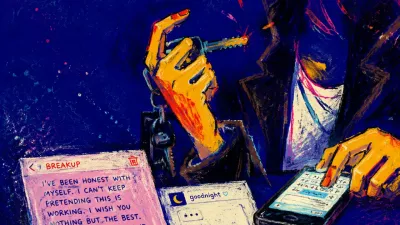
Fear of Being Posted by a Partner—and Making Visibility a Choice
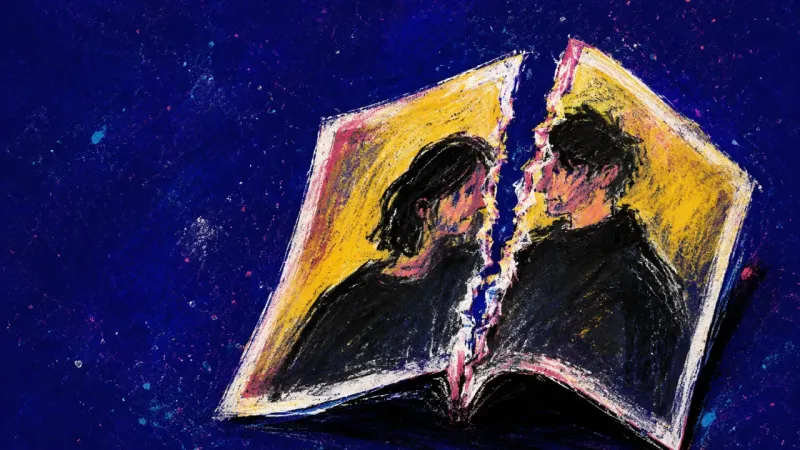
Hard-Launch Anxiety After Heartbreak, Hidden in a Caption Draft
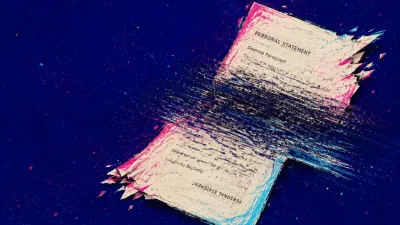
I have learned not to dismiss it when a late-twenties city creative can walk stakeholders through a Figma prototype and then go blank when a partner says, ‘Can I post us?’ When Maya (name changed for privacy), a 28-year-old UX designer in Toronto, came to me, that was the line she could barely say without half-laughing at herself. I knew at once that I was not looking at someone making a big deal out of nothing. I was looking at fear of being posted by a partner in its modern, polished disguise.
She described one moment so clearly that I could almost hear it myself: 8:47 p.m. on the 504 King streetcar heading east, Instagram open, a favorite photo of the two of them on her screen, the fluorescent ad panel buzzing overhead, wet coats smelling of rain, her phone warm in her palm. She typed a caption, deleted the last line, reread it three times, then closed the app and started watching other people’s Stories instead. She wanted the relationship to feel openly acknowledged, but not if public meant witnesses to a future collapse.
‘I know it’s just a post,’ she told me, ‘but it doesn’t feel small in my body.’ I believed her immediately. Vulnerability was moving through her like a hidden trapdoor under a perfectly ordinary floorboard: outwardly calm, inwardly that clean drop in the stomach, the tight chest, the jaw setting a half-second too soon. It is never just the post. It is the exact second love is about to become visible and an old hurt grabs the steering wheel.
I told her, as gently as I could, that this kind of relationship visibility anxiety often looks like a values conversation about privacy on the surface and hard-launch anxiety after heartbreak underneath. ‘We are not here to force a yes,’ I said. ‘We are here to find clarity. Let’s draw a map of what your body thinks visibility means, and what is actually true now.’
Why I Chose the Horseshoe Spread for Fear of Being Posted by a Partner
I asked Maya to take one slow breath and hold the question in plain language: what old hurt makes going public feel unsafe? Then I shuffled the deck slowly—not for theatre, but because the mind often speaks first and the body tells the truth a beat later. That pause matters.
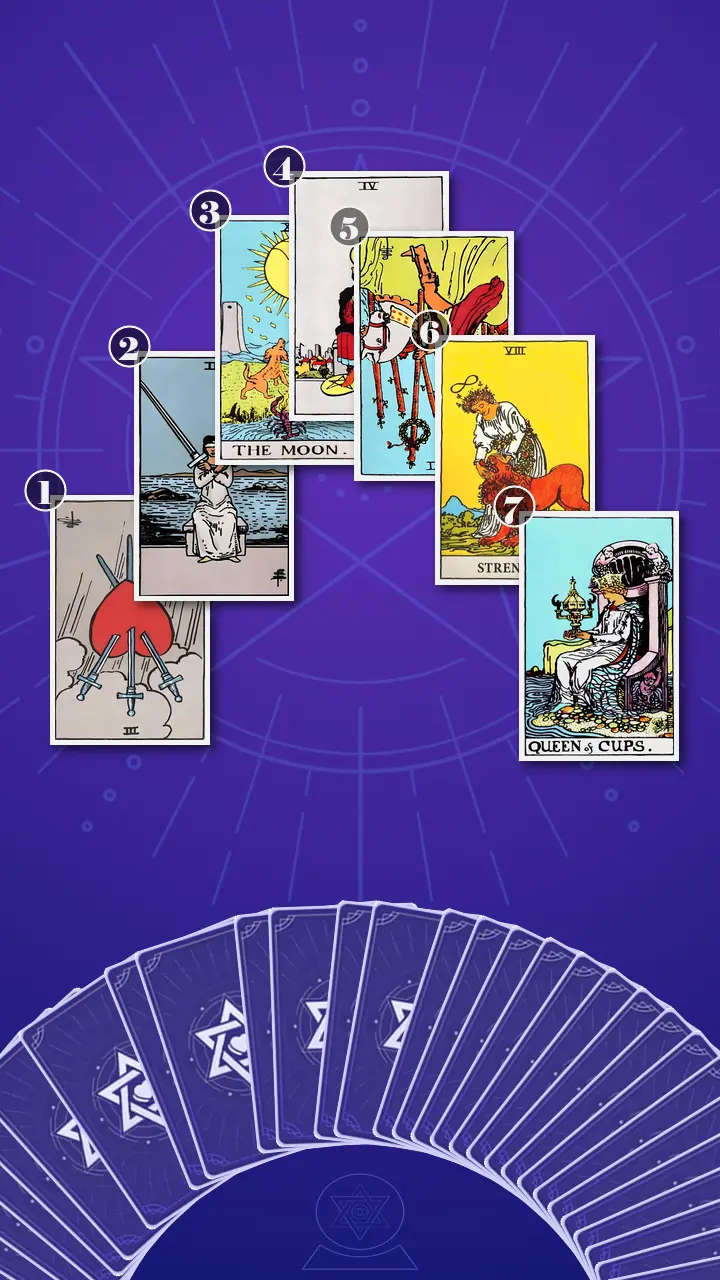
For this session, I chose a Horseshoe Spread. When people ask me how tarot works in a case like this, I often say that the right spread is less like fortune-telling and more like choosing the correct excavation grid. The Horseshoe is especially useful for a relationship visibility reading because it follows a clean human arc: past hurt, present reaction, hidden fear, defense pattern, social pressure, advice, and integration. It keeps the reading focused on understanding rather than prediction.
For Maya’s fear of going public in a relationship, that structure fit almost perfectly. The first position would show the earlier heartbreak still shaping the reaction. The central cards would reveal the freeze, the hidden fear image, and the defense that keeps the loop alive. The right side of the arc would show the audience effect, the turning hinge, and the healthier emotional stance available when the lesson is integrated. In short, the Horseshoe tarot spread could show not only why a couple photo in drafts felt so loaded, but also what actionable next steps might actually help.
Reading the Bridge from Old Hurt to the Viewer List
Position 1: The Weather That Never Fully Passed
I turned first to the card representing the earlier heartbreak or exposure memory still shaping the present fear of going public. The card was the Three of Swords, reversed.
In modern life, this card rarely announces itself with operatic drama. More often, it behaves like a background process that never fully closed. For Maya, it translated instantly: an older relationship that became visible, then ended with awkward comments, questions she had not invited, and that awful sensation of being watched while something personal fell apart. The storm had passed. The heart had not forgotten the weather.
As a reversed card in the past position, its energy felt blocked rather than current in the obvious sense. The pain was no longer happening in real time, yet it was still stored in the nervous system as unfinished impact. That is why a simple request from a good partner could still hit with outsized force. I asked her what earlier chapter had taught her that being seen in love could become embarrassing, painful, or lonely.
She gave one short laugh that landed with a little bitterness. ‘That is annoyingly accurate,’ she said, and then she looked down at the card instead of at me. Her fingers tightened once around her mug and then let go. That small movement told me more than a speech could have. The defense had not vanished, but it had been named.
Position 2: The Draft Folder That Calls Itself Neutral
The next card showed the exact freeze response that appears when the partner asks for public acknowledgment. The Two of Swords, upright.
This was the TTC card if ever there was one: Instagram open, caption half-written, phone locked, reopened, one word edited, then the whole thing left in drafts while pretending the decision had simply been postponed. The blindfold and crossed swords over the chest mirrored the posture exactly—the mind trying to keep feeling outside the choice. A draft is still a decision when fear is the one holding the phone.
Here the energy was pure blockage. Not posting felt neutral, but it was not neutral at all. It was a protective pause that kept intimacy at a distance while sounding reasonable. Delay had become armor. I told Maya that every time she said, ‘Let’s keep it private for now,’ without naming the truer sentence underneath, the relationship stayed behind frosted glass: close enough to feel, blurred enough to avoid being fully seen.
Maya nodded slowly. ‘That’s exactly the part I hate,’ she said. ‘I sound chill, and I’m not chill at all.’
Position 3: Reading the Comment Section Before the Post Exists
Then I turned to the hidden influence—the subconscious belief or emotional image of danger running beneath the polished explanation about privacy. The card was The Moon, upright.
The Moon is what happens when the viewer list forms before the post exists. In Maya’s life, that looked like a Sunday night room lit blue by her phone, a radiator humming, her thumb hovering over a Story draft while her mind built an entire audience: exes, coworkers, mutuals, the random acquaintance who would read too much into one image. What will they think, who will see it first, what if it ends, what if I look stupid? The relationship itself had not changed. The lighting in her inner world had.
This was excess—an excess of projection under low light. Her current relationship might be steady, but her mind was doing what an algorithm does when it overfits your whole love life to one bad data set from the past. It was treating imagined fallout as fact. I asked her a question I use often in tarot for fear of being seen in love: which part of this fear belongs to the facts of this partnership, and which part belongs to the darkroom where old images get enlarged?
She stopped moving for a second. Then her eyes shifted away, as though replaying an older memory she had not expected to meet so directly. When she answered, her voice came out quieter. ‘Honestly? A lot of it is old audience. Not him.’
Position 4: The Wall Built by an Old Siege
At the center of the horseshoe lay the obstacle—the defense pattern that keeps visibility feeling unsafe even when the current relationship may not be the original source of danger. The card was the Four of Pentacles, upright.
This was the card I most wanted her to see clearly. In daily life, it looked like no tags without warning, no easy reposts, no casual feed photo, a thoroughly well-worded speech about digital boundaries—and under all of it, a dry throat, locked shoulders, and the quieter sentence: if I control the visibility, I control the fallout. Privacy is a boundary. Hiding can be a bruise with a smart explanation.
In this position, the energy was excess control. When I see the pentacle pressed over the heart, I do not first think of money. I think of fortified settlements I excavated years ago, places that built higher walls after one devastating raid and then kept living as if the raid were always about to happen again. That is part of what I call Historical Case Matching: civilizations at a crossroads often confuse a necessary wall with permanent wisdom. The wall once saved them. Later, it also kept trade, trust, and ordinary life from flowing. Maya’s privacy held some real wisdom—but it had also become architecture designed by an old siege.
She flinched before she spoke. First her breath caught. Then her mouth tightened into a tiny wince. Then she looked back at me with the kind of silence that means the truth has landed cleanly. ‘So I’m not just private,’ she said. ‘I’m bracing.’
Position 5: When the Crowd Walks Into the Relationship
The fifth card mapped the audience effect, comparison culture, and public-image pressure amplifying the internal wound. The card was the Six of Wands, reversed.
The moment visibility entered the picture, Maya stopped thinking about her partner and started thinking about viewers: coworkers, old mutuals, ex-adjacent people, the vague internet, the group chat, the person who would interpret one photo like breaking news. This was the watching crowd from the card, translated perfectly into a Story viewer list. This was about us, and somehow now it’s about everyone else. The audience in your head can get louder than the person who actually loves you.
Here the energy was distorted fire. Visibility had shifted from acknowledgment into performance review. Too much imagined scrutiny, too little inner steadiness. I told her this is why so many people search questions like why do I freeze when my partner asks to post us, or why does being posted by my partner make me feel sick with anxiety. The relationship may be healthy; it is the imagined crowd that turns one ordinary image into a referendum.
Maya let out a frustrated little laugh. ‘Yes,’ she said. ‘It’s the audience effect. I’m not even reacting to him anymore at that point.’ Once that was named, I could feel some of the shame loosen around it.
When Strength Put Its Hands on the Lion
Position 6: The Hinge Between Panic and Choice
When I turned over the sixth card, the rain at my window had just eased, and the room fell into that post-storm hush I have learned to notice during important readings. This position points to the inner quality and practical shift that can transform fear into choice. The card was Strength, upright.
Its modern-life form was beautifully unglamorous: not a dramatic post, not a forced breakthrough, but Maya sitting on her couch with her phone face-down and saying one honest sentence—‘I want this, and my body gets scared when it becomes visible.’ That is balanced fire. Not performance. Not shutdown. Simply regulated courage.
I told her, very plainly, that Strength is not ‘post anyway.’ It’s making the choice from a regulated body instead of a panicked one. Because this was the antidote card, I brought in another piece of my own practice. In archaeology, I use Historical Case Matching to compare present dilemmas with older turning points. The societies that lasted were rarely the ones that tore down every wall in a fit of idealism, nor the ones that sealed every gate forever. They learned how to build a gate that could open without collapsing the city. Strength is that gate.
But I could still see Maya trapped in the old binary: either prove you are normal by posting, or protect yourself by refusing. Her shoulders had inched up again. The photo was good, the relationship was real, nothing was actively wrong—and still her body was acting as if the screen had turned into a trapdoor.
Stop treating the lion of visibility as proof you are in danger, and start meeting it with Strength so calm self-trust can choose what your love shows.
I let the sentence sit between us. She did not soften immediately. First came resistance: her inhale stalled halfway, and one hand hovered above her collarbone as if she needed to hold the ribs together. ‘But if I do that,’ she said, sharper than before, ‘doesn’t that mean I’ve been letting the past run this whole thing?’ Then came the second movement—the gaze unfocusing slightly, memory replaying somewhere behind her eyes, the competent practical persona slipping just enough for grief to show through. Only after that did the third movement arrive: her shoulders dropped by degrees, not all at once, and the next exhale came out sounding almost surprised. The line had not accused her; it had relieved her of the exhausting job of pretending panic was principle. ‘So I don’t have to force a yes or default to a no,’ she said. ‘I can tell the truth first.’ Exactly. That was the hinge—the shift from defensive privacy and caption-draft paralysis to regulated, consent-based visibility. I asked her, ‘If you use this new lens, can you think of a moment last week when saying “I feel exposed” would have changed the whole tone?’ She nodded. ‘On the streetcar,’ she said. ‘I would have stopped acting like I was deciding a caption and admitted I was trying not to feel fear.’
The Cup with a Lid, Not a Lock
Position 7: The Emotional Posture That Can Hold This
The final card showed the healthier emotional stance available when Strength is engaged and integrated. The card was the Queen of Cups, upright.
I have always liked this card because it understands containment without shame. In Maya’s real life, it looked like checking her emotional bandwidth before answering her partner, then responding clearly and warmly instead of from the first adrenaline spike. Perhaps yes to a Close Friends Story and no to a feed post for now. Perhaps tag okay, repost later. The point was no longer public versus secret. It was intentional settings based on capacity. A lidded travel mug, not a smashed cup and not a vault.
This was balance. Emotional truth with boundaries. The Queen of Cups does not disappear, and she does not flood. She feels, names, and chooses. I told Maya, and I meant it as simply as possible, that being seen isn’t the same as being exposed. That line made her smile in a way the earlier cards had not. Her jaw softened. Her face looked less defended. For the first time in the reading, the imagined audience no longer seemed to be sitting in the room with us.
From Frosted Glass to a Window: Actionable Advice
By the time I reached the end of the horseshoe, the story was clear. An earlier public hurt had left emotional weather in the body. That weather produced the present-day freeze. The Moon filled uncertainty with imagined fallout. The Four of Pentacles turned control into habit. The reversed Six of Wands supplied the crowd. So the issue was never truly a single post. It was an internal system designed to prevent humiliation by keeping love behind frosted glass.
The blind spot was subtle but decisive: Maya had been treating control as if it were the same thing as safety, and treating the imagined audience as if it deserved stakeholder status in her relationship. The transformation direction was equally clear. Public acknowledgment did not need to be a trap or a performance. It could become a negotiated expression of trust and boundaries—a paced, consent-based visibility chosen from steadiness rather than pressure. I asked her not what would soothe the next five minutes, but what would serve the next five months of intimacy. That is my Long-Term Value Assessment in plain English.
This is where I used two of my own practical methods. First came my Time Stratigraphy Method: separate the older layer from the current layer, because buried centuries can make a new structure look guilty by association. Then I borrowed from ancient navigation and suggested a small Voyage Log rather than a grand declaration. No ship reaches harbor by promising never to meet weather. It gets there by choosing the next workable stretch of water.
- Send the one-sentence truthThis week, before making any posting decision, text or say to your partner: ‘I want us to feel acknowledged, and public stuff hits an old fear in my body.’ Do it at home, on a walk, or after dinner, and keep it to one plain sentence.If saying it out loud feels too exposed, read it from your Notes app. You are naming the wound, not performing a full emotional TED Talk.
- Do the Then vs Now splitOpen Notes and make two columns called Then and Now. Under Then, write the old public-relationship memory your body keeps referencing. Under Now, list three facts about your current relationship that are different. Give yourself five minutes, no more.This is my Time Stratigraphy Method in miniature: separate old sediment from present ground. If shame flares, lower the bar and write only one item in each column.
- Build a consent-based visibility menuSet a 15-minute conversation with your partner and choose your next rung together: not ready, Close Friends only, tag okay but no feed post, one photo okay, or ask me each time. If posting is on the table, decide the boundary in advance: no checking viewer lists for 30 minutes, no rereading comments for tone, and no using likes as proof that the choice was right or wrong.This is the Voyage Log Technique: choose the next navigable stretch, not the entire ocean. Start with what is currently a yes, not the perfect final answer.
I reminded Maya that if her body spiked past manageable discomfort, the practice still counted at the moment of naming the sensation. The goal was never to prove bravery to the algorithm. The goal was to teach her nervous system that choice can survive contact with fear.

A Week Later, the Quiet Proof
A week later, Maya sent me a short message. She had used the one-sentence truth almost word for word. They had agreed on a very small first step: her partner could post one photo to Close Friends, and she would not force herself to repost it. ‘I still stared at the viewer list for five seconds,’ she wrote, ‘then I put the phone face-down and made coffee.’
That, to me, was the real success of a Horseshoe tarot spread for relationship visibility anxiety and fear of going public. Not instant certainty. Not a personality transplant. Just the first clear evidence that her body could stay in the room while love became a little more visible. From there, intimacy had somewhere sturdier to stand.
Sometimes the hardest part is not the photo at all—it is the second your chest locks because being seen in love still feels one bad turn away from being left embarrassed and alone. If tonight you recognize yourself in Maya’s caption draft, in that frosted-glass kind of safety, then you are not failing at love; you are noticing the old architecture at work. And if being seen did not have to mean being exposed, what would one consent-based version of visibility—a cracked-open window, not a door kicked in—look like for you right now?