One Missed Line, Four Rewinds, and Learning in Two Passes
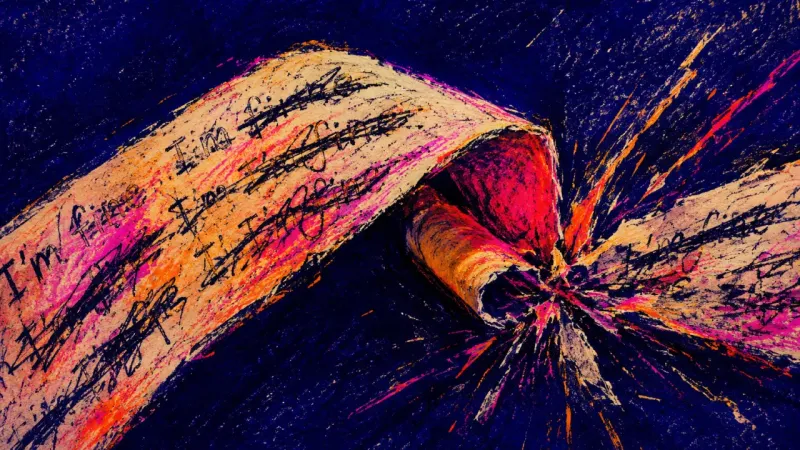
The 11:23 P.M. Clip That Turned Studying into Quality Control
If you have ever thought I cannot tell whether I am studying or just trying not to feel stupid while replaying the same clip again, I know exactly the loop you mean. When Maya (name changed for privacy), a 21-year-old final-year student in Toronto, came to me, her question sounded small on the surface: why does missing one line in a lecture feel like failure? Underneath it, I could already hear the real pattern—perfectionism-driven study paralysis, the kind where one missed lecture line turns learning into quality control.
Before I touched the cards, I asked her to show me the moment that kept repeating. She gave it to me instantly: 11:23 p.m. at a small IKEA desk, one earbud in, a recorded lecture and Google Docs split across her screen, the back-10-seconds key doing overtime. The laptop fan hummed. The tea beside her had gone cold enough to taste metallic. Every click pulled her jaw tighter and her shoulders a little higher, until the whole study session felt like trying to read through a keyhole.
‘I know it’s just one sentence,’ she told me, looking down at her hands on camera, ‘but what if it’s the sentence that makes everything else make sense?’ Then she gave a short laugh with no real humor in it. ‘An hour later I’ve covered twelve minutes, and I still feel behind.’ The panic she described was not abstract. It felt, to me, like a fire alarm sealed inside the ribcage—small from the outside, deafening from within.
I nodded, because I have seen this pattern in different constellations for years. At the Tokyo planetarium where I work, visitors lose the shape of Orion when they stare too hard at one bright star; the whole figure only returns when they soften their focus enough to see the sky around it. ‘Then that is our work today,’ I said. ‘We’re not here to shame the rewind loop. We’re here to map it, so one unfinished line can stop behaving like a verdict and start behaving like a gap you can repair.’
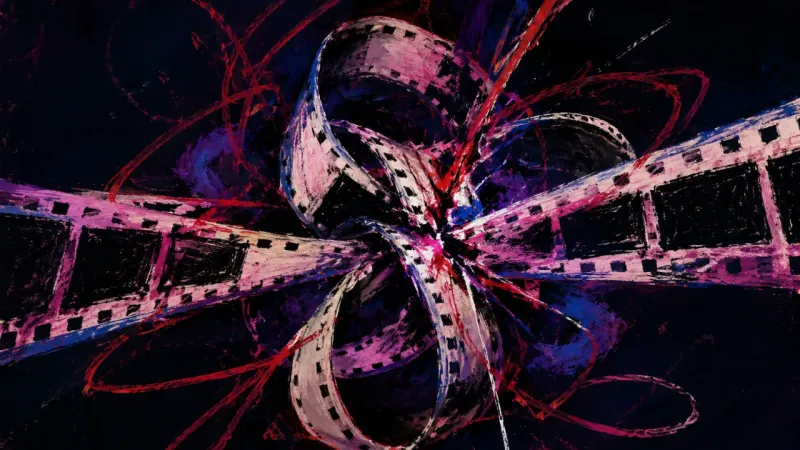
Choosing the Compass: A Cross Spread for Study Perfectionism
I asked Maya to place both feet on the floor and think about the exact micro-second when her finger hovers over rewind. I shuffled slowly, not as theater, but as a way of helping her nervous system cross the bridge from living inside the spiral to looking at it clearly.
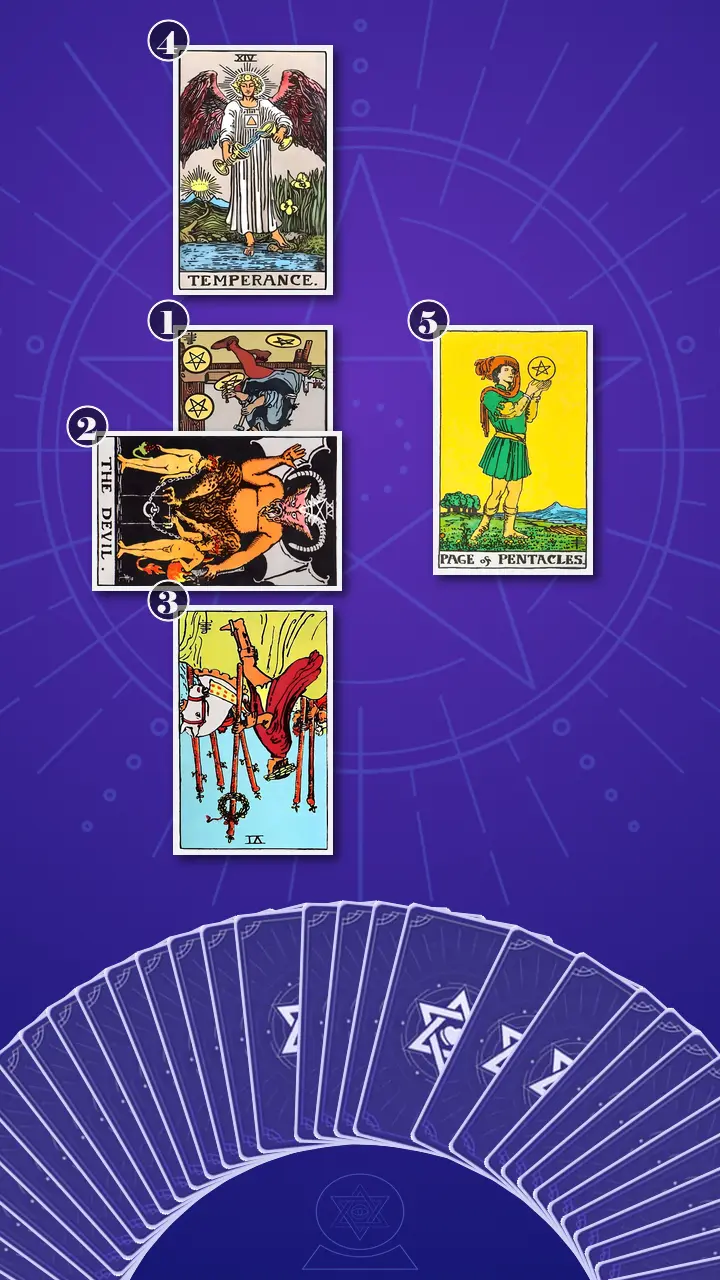
For this session, I used the Cross Spread · Context Edition, a five-card tarot spread I trust when a visible habit is only the doorway to a deeper belief. In plain language, this is how tarot works at its best for me: each card takes a vague self-criticism and turns it into something visible, specific, and workable. I did not need a full Celtic Cross here. Her issue was precise, but it ran deep. The habit was rewinding recorded lectures over and over. The real target was the belief underneath it—that one missed sentence might mean she is careless, behind, or not capable enough.
I showed her the layout on my table. The center card would reveal the concrete loop as she is living it now. The card crossing it would show what intensifies the loop the second a line slips by. The card below would uncover the deeper wound feeding the pattern. The card above would offer the reframe—the higher guidance that could restore proportion. And the card to the right would show the exit path: not a prediction, but the next grounded practice that could help her keep moving.
What Crossed the Center
Position 1: The Workshop That Forgot the Lesson
Now I turned the card that represents the concrete study-loop behavior named in her question: replaying one missed lecture line until the wider lesson is lost.
Eight of Pentacles, reversed.
It was immediate. This looked exactly like Maya at her desk turning a lecture into a quality-control task: replaying one short clip, rewriting the same line until it sounds exact, and looking up to realize most of the hour went into correcting the record rather than grasping the concept. In the image, the craftsman bends over the bench, repeating pentacle after pentacle inside an enclosed workspace. The repeated row of pentacles mirrored repeated back-button clicks. The bent posture matched the hunched focus of a student locked onto one sentence while the rest of the lecture kept moving without her.
In energy terms, this was Earth in blockage. The effort was real. The discipline was real. But diligence had hardened into fussy overwork and diminishing returns. Like spending more time formatting a Notion study dashboard than writing the assignment it was supposed to support, her process had slipped off its original purpose. ‘You are not failing the lecture,’ I told her. ‘You are getting trapped in quality control.’
Maya let out a short, startled laugh and pressed her thumb against the rim of her mug. ‘That’s so accurate it’s almost rude,’ she said. The smile carried a little bitterness, but it also loosened something. Naming the pattern had already made it less invisible.
Position 2: The Rule Hidden in the Rewind Key
Then I turned the card crossing the center—the position that reveals the immediate force that intensifies the loop: the compulsive need to regain certainty after a tiny gap in comprehension.
The Devil, upright.
This card named the rule engine underneath the behavior. A normal wish for clarity had turned into a demand for total certainty. The lecture felt as if it could not safely continue until every word of the missed line was captured. I described the scene I could feel in the card: fluorescent library lights buzzing, watery iced coffee, her hand hovering over the back button before she had even consciously decided, her body already obeying a law her mind had not written down in words.
In energy terms, this was compulsion in blockage. The loose chains mattered more to me than the horned figure. They said: this trap feels absolute in your body, but part of it is self-made. This is the moment when forward motion starts feeling unsafe unless certainty is restored. ‘Clean notes can calm you without actually teaching you,’ I said. ‘And that brief relief is not the same thing as progress.’
I watched the reaction move through her in three small beats. First, her breathing stalled for half a second. Then her eyes lost focus, as if she were replaying her own study sessions from the inside. Finally she exhaled through her nose and said, almost to herself, ‘I thought I was being responsible, but it really does feel like a rule.’
Position 3: The Crowd That Appears When You Study Alone
Below the cross, I turned the card that uncovers the deeper mechanism feeding the issue—the core fear that an imperfect moment proves reduced worth.
Six of Wands, reversed.
Underneath the rewind loop was an invisible audience. One missed sentence was no longer staying one missed sentence. In her mind, it became the TTC ride home, the course group chat lighting up, someone else casually saying they had already finished the module, polished notes online, the imagined leaderboard in her head. The raised rider and watching crowd in this card translated perfectly: the lecture was no longer just information. It had become a performance review happening in private.
In energy terms, this was wounded Fire—comparison in excess, self-trust in deficiency. The panic was not only about the content. It was about exposure. What if the real fear was not the sentence itself, but what the sentence seemed to say about her? I asked her whose eyes she felt the second she fell behind.
She went very still. Her fingers tightened around the sleeve of her hoodie, then slowly released. ‘Not even one person,’ she said after a moment. ‘It’s like everyone. My prof, my classmates, the competent version of me. I miss one thing and suddenly I’m not her anymore.’
‘A gap in the notes is not a verdict on your brain,’ I told her. At that, her shoulders dropped a fraction. Not relief yet. Just the first honest recognition of where the shame was actually living.
When Temperance Poured Between Two Cups
When I reached the fourth card, the atmosphere changed. Behind the spread, the small glass of water I keep beside my deck caught the desk lamp and laid a pale ribbon of reflected light across the table. I have learned to respect those moments when the room seems to underline a symbol for me. This was the card above the cross—the reframe, the antidote, the one that could interrupt the whole loop.
Position 4: The Card That Restored Proportion
Temperance, upright.
This card offered the key reframe that supports the entire shift from shame-spiked panic to steadier self-trust. In modern life, it looks like letting the lecture continue after a missed phrase, marking the gap, and trusting the main idea first. It is map view before street view. It is drafting before line-editing. It is a gist-first, details-later learning rhythm that treats partial understanding as normal and repairable.
Black Hole Focus and the Return of Scale
Here I brought in one of my own diagnostic lenses, something I call Black Hole Focus. In astronomy, once matter crosses an event horizon, everything nearby bends toward one center so completely that the wider field disappears. That is exactly what her study perfectionism was doing. One missed sentence became the singularity of the session. Her attention collapsed around it. No light from the rest of the lecture could escape. The problem was not lack of focus. The problem was scale collapse.
Late at night, with the lecture paused again and her shoulders up by her ears, it can genuinely feel like one uncaught sentence is about to collapse the whole lesson. That is the exact moment this reading turns toward.
You do not need to trap every word to prove your intelligence; like Temperance's flowing cups, real understanding comes from blending what you heard and letting the lesson keep moving.
She did not soften right away. Instead, a flash of resistance crossed her face. ‘But if I do that,’ she said, and now there was heat in her voice, ‘doesn’t that mean I’ve been doing this wrong the whole time?’
‘No,’ I said gently. ‘It means you built a strategy to protect yourself from feeling careless, and now that strategy has become too expensive. That is not the same thing as being foolish.’
I watched the realization land in layers. First came the freeze: her hand hovered over the keyboard without moving, and even through the screen I could see her jaw unclench one careful notch. Then came the cognitive seep, when the new idea started replaying old scenes under a different caption; her eyes drifted past me, not away from the reading but inward, as if she were watching last week’s lecture with alternate subtitles. Then came the release—small, real, and a little disorienting. She breathed out, and her shoulders dropped so suddenly that she blinked, like someone stepping off a moving walkway and needing a second to find the ground again. I let the silence breathe, then asked, ‘Using this new lens, can you remember a moment from last week when keeping the thread would have helped more than catching the exact wording?’
She nodded slowly. ‘Yeah. There was a stats clip. I missed one line, rewound it four times, and then missed the example right after it. If I’d marked it and kept going, I probably would’ve understood the formula better.’
That was the hinge of the whole reading. ‘Exactly,’ I told her. ‘This is not about becoming careless. It is about shifting from treating perfect capture as proof of intelligence to treating partial understanding as normal and repairable. Understanding grows in passes, not in one perfect grab.’
Position 5: One Pentacle, One Next Step
Then I turned the final card, the one that translates insight into a practical integration step—how the energy becomes behavior in the next study block instead of staying a beautiful idea.
Page of Pentacles, upright.
I loved seeing this after Temperance. The spread began with many pentacles repeated in stress, and it ended with one pentacle calmly held at eye level. That visual change mattered. We were moving from scattered proof-seeking labor to one workable focus. In modern terms, this is one simple note structure, one follow-up question, one manageable block of time. Not judge language. Apprentice language: practice, try, return, build.
In energy terms, this was Earth restored to balance—practical, paced, and humane. This was the card of good-enough notes for university life, not because standards disappear, but because scale becomes sane again. ‘One question mark can be more honest than a page of forced certainty,’ I told her. ‘The Page is not asking you to prove you missed nothing. It is asking whether you are willing to learn like an apprentice instead of grading yourself like a judge every few seconds.’
Maya nodded this time without argument. Not triumphant. Just steadier. That mattered more.
From Quality Control to One-Pentacle Notes
When I stepped back from the whole spread, the story was clean. Eight of Pentacles reversed showed the surface habit: careful effort squeezed so tightly it had stopped serving learning. The Devil showed the immediate pressure: an internal rule saying she was not allowed to move forward until certainty had been restored. Six of Wands reversed showed the root wound: the fear that one imperfect academic moment meant she had slipped out of the competent, reliable version of herself. Temperance restored proportion. Page of Pentacles turned that proportion into method.
Her cognitive blind spot was not laziness, distraction, or poor discipline. It was this: she had been treating perfect capture as proof of intelligence. That made every blank space feel moral instead of practical. The direction of change was much kinder and much more effective—toward a two-pass learning rhythm where the main idea comes first, the gap gets marked, and the repair happens later from a calmer place.
I told her I wanted the next step to be small enough that her nervous system would not treat it like rebellion. So I gave her three practices, each designed to help her keep the lecture moving without pretending the gap did not matter.
- Shooting Star Note In your very next recorded lecture, when one sentence slips by, spend no more than 30 seconds typing the timestamp and a single question mark, then keep the video playing for two more minutes before deciding whether to rewind. If two minutes feels too exposed, test it for 30 seconds on one clip. The goal is not zero rewinds; the goal is fewer panic rewinds.
- Two-Pass Orbit For one 10-to-15-minute lecture block this week, do a first pass with only section headers and up to three plain-language bullets per segment. At the end of the block, do one short second pass only for the timestamps you marked. If the lecture contains a formula, citation rule, or assignment instruction, flag it for precise review later. Gist first does not mean careless. It means sequence matters.
- Planetary Memory Palace Before you start, keep one document open and use a tiny three-line template: Sun for the main idea, Earth for one example, Moon for one question. After each 5-to-10-minute segment, add one sentence beginning with ‘This part is basically saying...’ instead of transcribing the lecturer word for word. Keep it plain and usable. If the page starts becoming a design project, stop and fill only the Moon line with one honest question.
She looked at the list and immediately found the real obstacle. ‘But I still get that spike,’ she said. ‘Even the five-minute version feels fake, like I’m cheating.’
‘That feeling is part of the loop,’ I replied. ‘Not proof that the method is wrong. When your hand moves toward rewind, ask one neutral question: is this for understanding, or for relief? If it’s relief, you’re still allowed to care for yourself. You just don’t have to call that care comprehension.’
A Week Later, the Quiet Proof
Five days later, a message from Maya appeared on my phone between planetarium sessions. ‘I tried the question-mark thing on a methods lecture,’ it said. ‘I still wanted to rewind every thirty seconds, but I got through 28 minutes. My notes were uglier. I understood more.’
That is the kind of proof I trust. Not a cinematic personality transplant. Just one study block where panic did not get final authorship. Afterward, she sat alone in Robarts with a vending-machine tea, half relieved and half shaky, looking at the messier page like it belonged to someone braver than she felt.
To me, that is what a real Journey to Clarity looks like. Not certainty on command, but a quieter nervous system, a wider field of view, and the first honest evidence that self-trust can grow where shame used to spike.
This is why I use a Cross Spread tarot reading for perfectionism-driven lecture rewind loops: it helps me separate the habit, the rule, the wound, the reframe, and the next small practice that makes learning feel breathable again.
When your chest tightens over one missed sentence and the whole lecture suddenly feels dangerous, it can stop being about the material and start feeling like a test of whether you are still allowed to trust your own mind. If that happens in your next study block, what would change if you gave yourself one question mark, one breath, and two more minutes of forward motion?